






 Portuguese
  Spanish
  3 min of reading
  0 comments


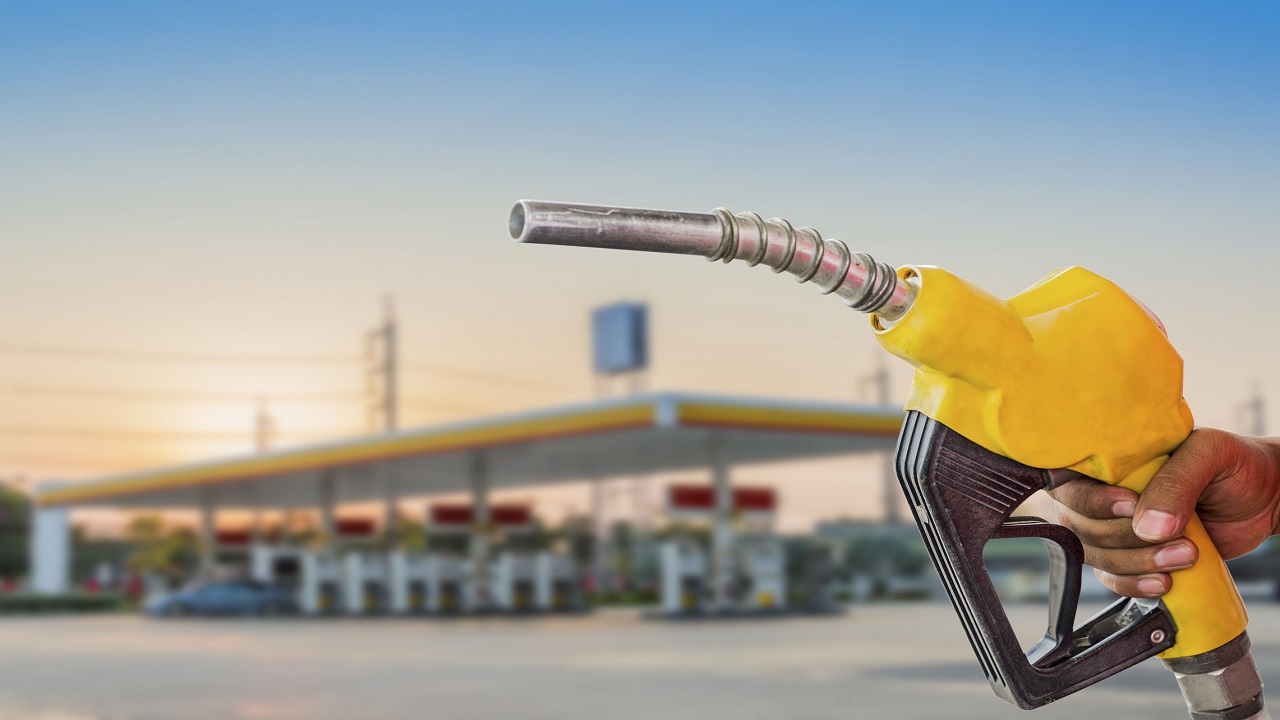
Even After Castelo Branco’s Departure from Petrobras’ Presidency, the Policy Was Maintained and Gasoline and Ethanol Prices Increased. Fuel Prices Rose from 10% to 20%
Even after Roberto Castello Branco’s departure from the presidency of the state-owned company, Petrobras maintained its fuel pricing policy for gasoline and ethanol. The position was assumed in February this year by General Joaquim Silva e Luna, whose announcement was made by the head of the Executive, surprising all Petrobras shareholders. According to data from ANP, fuel prices such as ethanol and gasoline in the country rose rapidly after Castelo Branco learned he would be leaving the position.
See Also
Fuel Prices Rise from 10% to 22%
The sharp price adjustments from late February to early April were seen as a way to eliminate price suppression. The financial market assessed that the former president of Petrobras was holding prices due to constant criticism from truck drivers and Bolsonaro. With Silva e Luna’s arrival, announcements began to be made.
For the end consumer, fuel prices increased from 10% to 22% at the pump since April. Currently, the average price of gasoline in the country is R$ 6 per liter and diesel is R$ 4.60. The final price paid by consumers is also the result of other factors, such as the ICMS charged by the state. According to Petrobras, 33.8% of the price of gasoline paid in Brazil is attributed to its share.
-
Brazilian Joins Homeownership Consortium, Faces Decade of Dual Payments Totaling $141,000, Surpassing Traditional Mortgage

-
Land Rover to Halt Production in July, Putting 371 Jobs at Risk, as Chinese Automaker Negotiates to Convert Factory to 100,000 Vehicles Annually by 2027

-
Mexican Pest Threatens U.S. Cattle Herds at Historic Lows, Potentially Boosting Brazilian Beef Exports as Burger Prices Soar

-
Brazilian Freight Bill Progresses in Congress with $5,000 Minimum Wage, 70% Advance Payment, and Fines Up to $1 Million, as Agriculture and Industry Warn of Rising Costs and Legal Uncertainty


Ethanol, which is mixed into the fuel, accounts for 17.2%. The ICMS, often mentioned as a villain by Jair Bolsonaro, impacts 27.9% of the price. Federal taxes account for 11.4%. Bolsonaro has publicly urged states to reduce their ICMS in order to lower gasoline and ethanol prices.
Petrobras President Addresses Commission in the Chamber
Despite what President Jair Bolsonaro advocates, governors state that the state tax has not increased and that fuel price adjustments are due to the state-owned company’s pricing policy. However, there has been a significant increase in revenue for the units of the Federation due to rising adjustments, as the ICMS rate is a fixed percentage relative to final prices.
The president of Petrobras stated in a commission that Petrobras’ interest is Brazil, and when the state-owned company generates profits, it is also generating dividends for its largest shareholder, which is the Union. According to the president, the payment of dividends to the Federal Government amounts to R$ 20 billion between 2019 and 2021.
Amapá Has the Cheapest Gasoline in the Country
In some regions, gasoline prices reach R$ 6.50 per liter, as is the case in Piauí. So far, the cheapest among the states is Amapá in the north of the country at R$ 5.18.
Prices are high by Brazilian fuel standards, which are measured by IBGE. However, the dollar value of a liter of gasoline in Brazil (US$ 1.15) is below the global average of US$ 1.20. According to data from Global Petrol Price, this value is only the 82nd most expensive out of 167 countries.





Be the first to react!