






 Portuguese
  Spanish
  2 min of reading


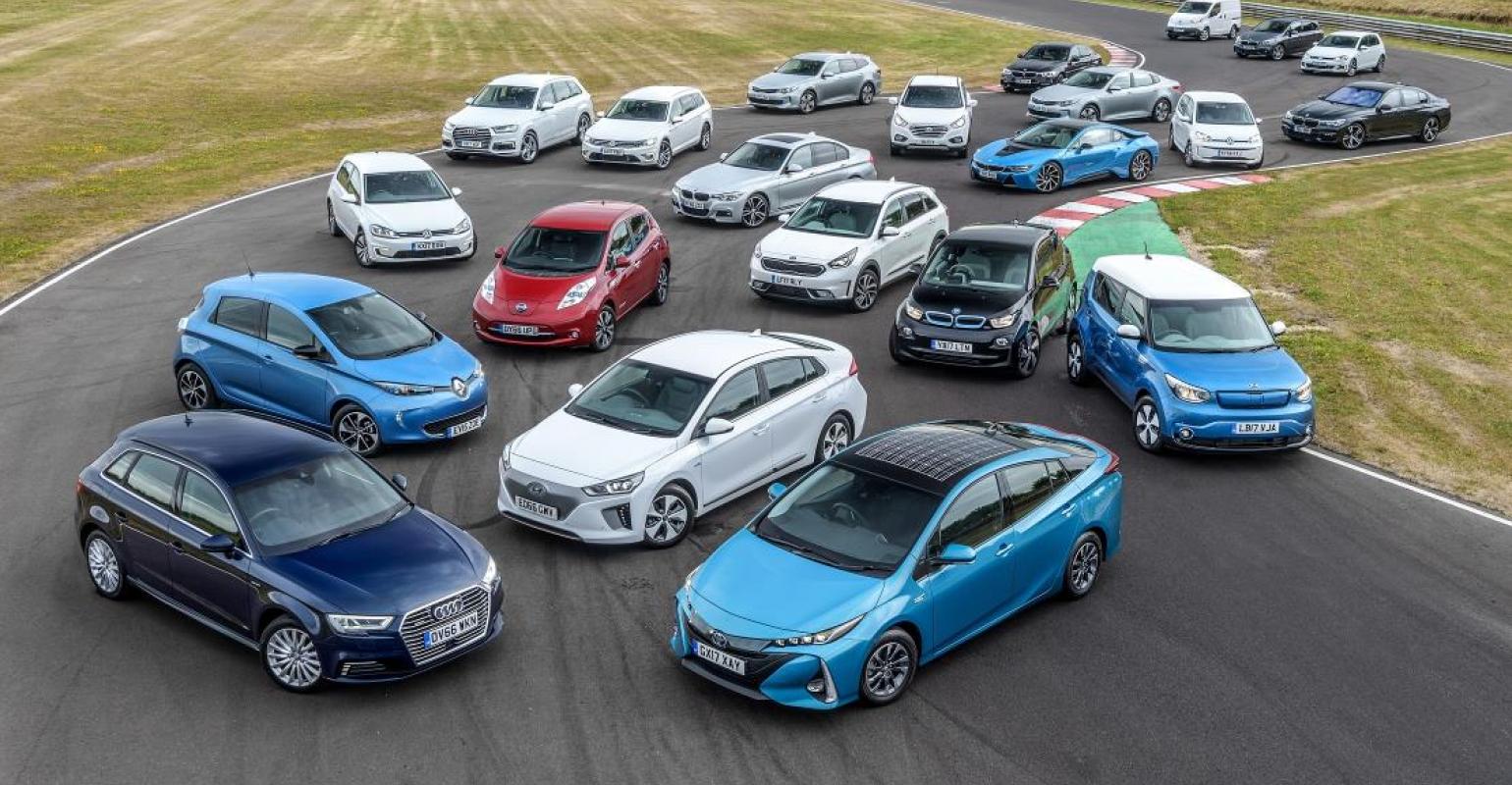
With The Increase Of Decarbonization Policies, Automotive Companies Are Increasingly Investing In Renewable Energy Technologies And Electric Cars
In the global context of increasing decarbonization policies and combating climate change, several traditional automotive manufacturers are investing in renewable energy generation technologies and the electrification of electric cars. Brands like Volkswagen, Audi, Nissan, Renault, and Honda have recently announced their plans to meet the demand for sustainable policies in the future.
- Votorantim Calls For Candidates With And Without Experience For 74 Job Vacancies In Its Factories In SP, RJ, MG, PR, And More Brazilian States
- Port Terminals In Paraná Receive Investments Of R$ 11 Million To Combat Covid-19
- Researchers Create New Coating Capable Of Increasing Solar Panel Performance By 40%
Automotive Sector And Sustainable Policies
Volkswagen announced that it will invest around 16 billion euros in future electric, hybrid, and digital trends by 2025 in its vehicles. The company plans to increase its market share to more than 70% of all electric car deliveries in Europe by 2030. During the same period, the brand’s goal is to capture more than 50% of the electric vehicle market in the United States and China.
Audi has committed to being fully carbon neutral by 2050. By 2025, the goal is to reduce emissions by 30% and launch 30 electric car models worldwide. In Brazil, the Audi e-tron was the leader in the electric vehicle segment in 2020.
-
Why can the crane operator only obey the correct signalman on the construction site: among dozens of workers, a hand raised by the wrong person can confuse the maneuver and turn a load of tons into an immediate risk.

-
What changes with the new public transportation rules that can reduce pressure on fares and pave the way for zero fare in Brazil?
-
Argentina confirms Belgian giant to lead strategic Paraná River waterway and promises to reduce logistical costs on one of South America’s most important routes
-
MBRF surprises the logistics sector by demonstrating how Artificial Intelligence can directly influence deliveries throughout Brazil by reorganizing distribution routes in seconds, optimizing fleet usage, reducing logistics costs, and speeding up product arrivals even in the face of unforeseen road incidents.


Nissan has announced the goal of achieving carbon neutrality in all of the company’s operations and product life cycles by 2050. According to the company, by the early 2030s, all new vehicles sold in major markets will be electric cars.
Renault believes that the electric vehicle market in Brazil is still very new and emphasizes its ability to meet demand.
Finally, Honda, another manufacturer whose global goal is to be carbon neutral by 2050, aims to achieve this through continuous innovation and the development of electric cars.






Be the first to react!