Portuguese
  Spanish


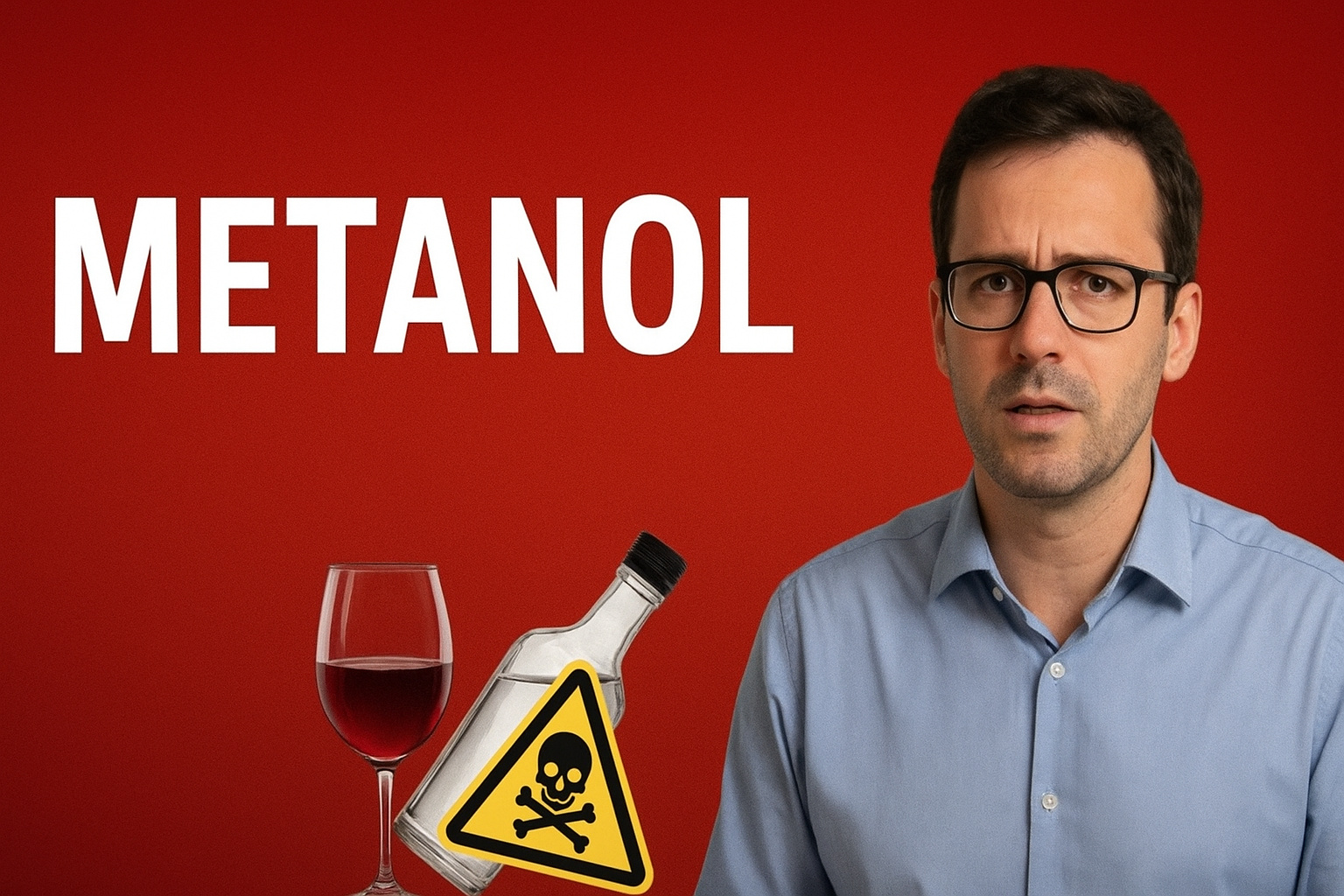


Cases of Methanol Poisoning Concern Brazil. Expert Warns of Risks in Alcoholic Beverages and Teaches How to Avoid Fraud.
Methanol Risk in Beverages Concerns Brazil
Cases of methanol poisoning are rising throughout Brazil, causing concern among consumers and authorities. The warning comes after a series of accidents involving adulterated alcoholic beverages, especially distilled ones like vodka, gin, and whiskey.
While many Brazilians avoid consuming these products, fear extends to other categories, such as wine, draft beer, and beer. But do these beverages also carry the same risk?
According to Chemistry Professor Paulo Henrique Tavares from Ibmec BH, the answer is yes — although the risk is much lower.
-
Mother acts quickly and saves 6 children from fire in studio apartment on the coast of SC before firefighters arrive

-
A 21-year-old woman was carried in the arms to the platform and launched from about 40 meters in a bungee jump in Limeira while a rope appeared coiled on the ground behind the group; witnesses were shouting something that no one around managed to stop in time.

-
Truck breaks down in the middle of the Sahara, leaving Nigerians without water on a remote route and turning the journey back home into a tragedy with nearly 50 dead

-
Unusual incident: a taxi driver stopped at a corner because of a red light and his car with CNG caught fire in Argentina


Fermented Beverages Can Also Be Adulterated
Tavares explains that fermented beverages, such as wine and beer, are not entirely free from the possibility of fraud involving methanol. “The risk exists, but it is much lower than in distilled drinks,” states the expert.
According to him, there are two main reasons for this. “The first is the packaging. In the case of beers, for example, cans are much harder to be frauded.
Additionally, it is not advantageous to spend money to adulterate beverages like beer or wine, since their alcohol content is much lower than that of distilled drinks,” he explains.
Why is the Methanol Risk Lower in Beers and Wines?
The professor highlights that the difference in alcohol concentration is the key point. “If we compare beer and cachaça, the alcohol content in beer is about ten times lower,” he says.
This difference makes adulteration less lucrative for criminals, as methanol is mainly used to increase the alcohol content in counterfeit products.
Moreover, beverages sold in sealed cans or sealed bottles have physical barriers that make adulteration difficult, reducing contamination risks.
What About Soft Drinks?
Professor Tavares reassures: “In the case of soft drinks, the risk is virtually nil. The presence of any substance like methanol would cause a significant change in flavor, and people would hardly continue drinking after the first sip.”
Therefore, although danger exists in alcoholic beverages, the consumption of non-alcoholic products, especially industrialized ones, is considered safe.
Is It Possible to Identify Methanol by Taste?
One of the greatest dangers of methanol adulteration is the difficulties in identification. According to the expert, the flavor does not reveal the risk.
“In distilled beverages, it is practically impossible to identify adulteration solely by taste. When we talk about cachaça, gin, or vodka, it’s very hard to notice, because they already have a high amount of ethanol,” Tavares explains.
On the other hand, in beverages like beer or soft drinks, the alteration would be noticeable right from the first sip.
Low Price Is a Warning Sign
Another common indication of adulterated beverages is an unrealistically low price. “When the deal is too good, the saint doubts,” jokes the professor.
He explains that illegal sellers, by not paying taxes and operating outside of regulation, can offer prices far below the market. “A price significantly lower than normal should raise a red flag,” Tavares emphasizes.
Therefore, consumers should avoid purchasing alcoholic beverages from dubious sources, especially during overly exaggerated promotions, fairs, or unregulated sales points.
How to Avoid Accidents with Adulterated Beverages
To reduce the risk of methanol-related accidents, experts recommend always buying products from trusted locations and checking if the label, seal, and tax stamp are intact.
Additionally, be wary of unknown brands, broken packaging, and very low prices. In case of suspicion, it is essential to contact health authorities and avoid consumption.