Portuguese
  Spanish


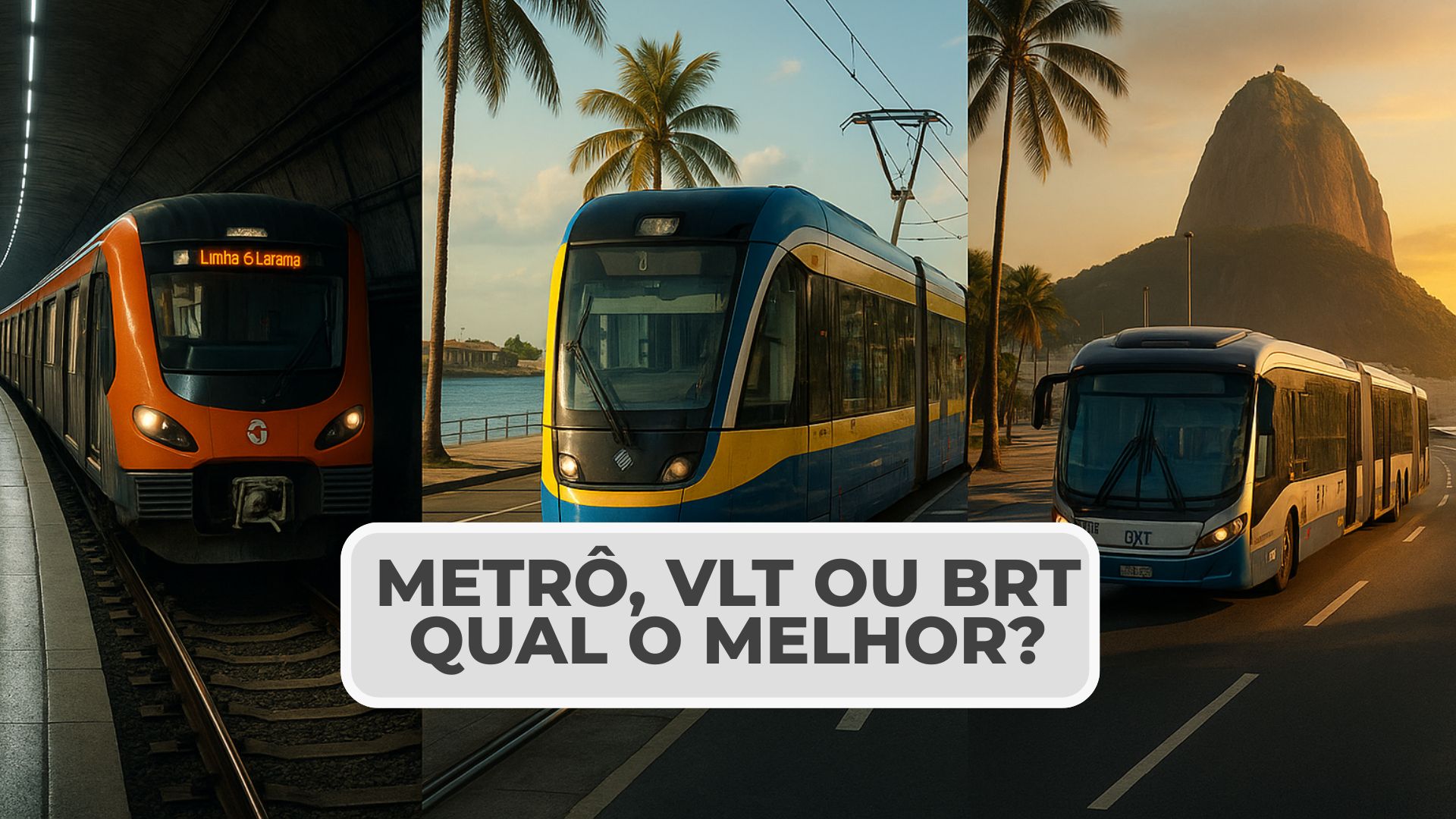

Discover How the Cost of Implementing Metro, VLT, and BRT Can Vary Drastically in Brazilian Cities, Influencing Deadlines, Capacity, and the Future of Urban Mobility. Understand the Impact of These Choices on Public Transport Planning.
Cost differences between metro, VLT, and BRT exceed ten times in Brazil, impacting the budgets of large cities. Underground works, onboard technology, and execution time are among the factors that make the cost per kilometer so distinct among transport systems.
Among all modalities, the metro Requires the Highest Investment per Kilometer Constructed.
The Orange Line 6 of the São Paulo Metro, under construction since 2020, has reached a total cost of over R$ 19 billion by June 2025.
-
New York removed the tracks from over 2,500 subway cars and dumped everything at the bottom of the Atlantic, and what seemed like trash turned into an artificial reef teeming with fish and divers.

-
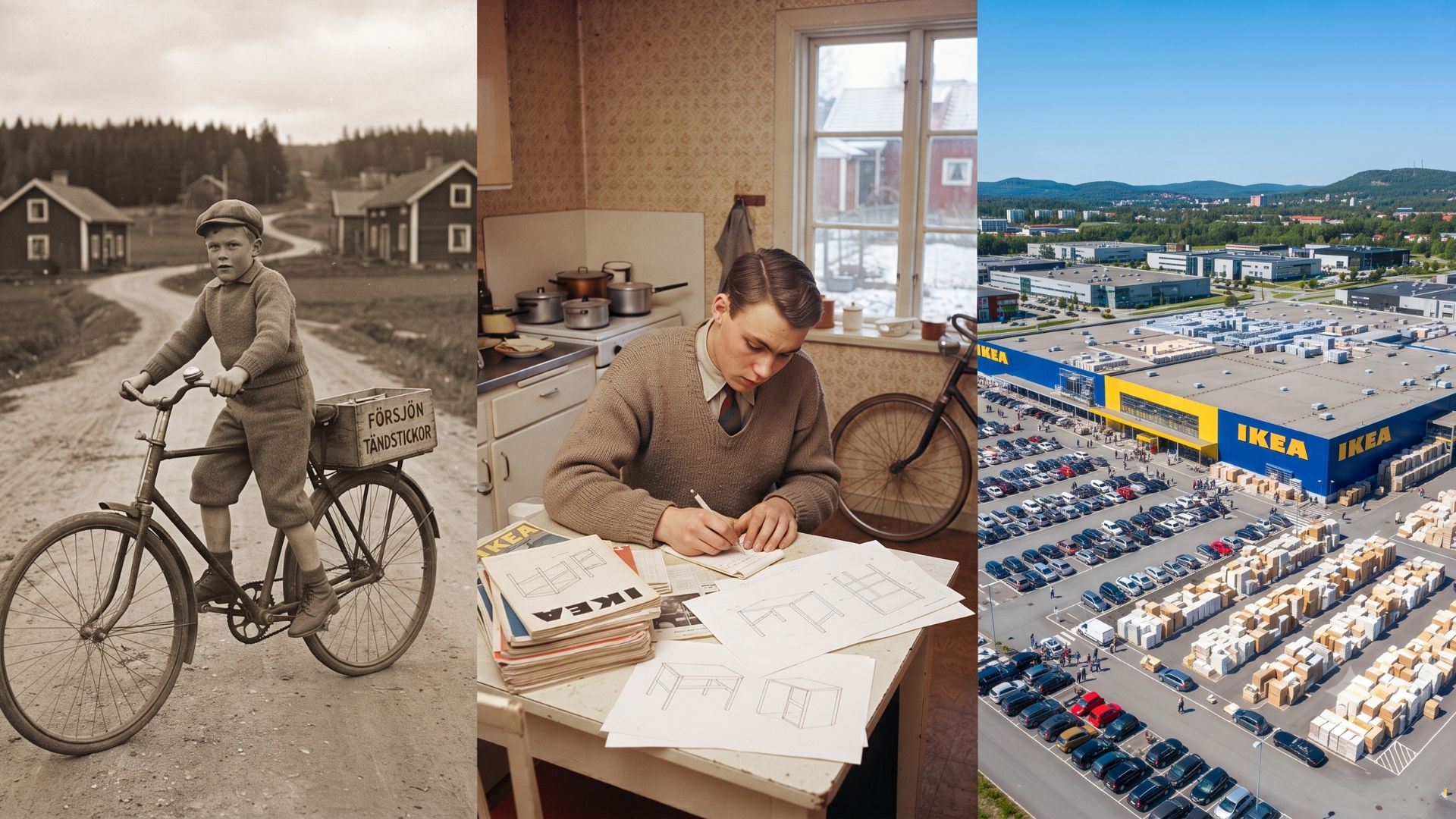
From matches sold by bicycle at age 5 to a global furniture empire: the lumberjack’s son founded IKEA at 17 in his uncle’s kitchen and transformed a small company into the largest furniture retailer on the planet.
-
The mansion in Flamengo, built in 1865 for the Baron of São Clemente and closed for 20 years, has become a spa, event hall, and gym for “Symphony,” a luxury condominium that sold 70% of its gross development value in the first month on the R$ 60 million land of the former Bennett College.

-
The Ipiranga convent, a 1924 building adjacent to the Museum that remained vacant for a decade and became home to dozens of cats, is reborn as “Alma Mater,” a luxury development worth R$ 130 million with a pool in the courtyard and a clubhouse in the former nuns’ chapel.




With a length of 15.3 km, the cost per kilometer reaches approximately R$ 1.25 billion, representing the largest investment per linear meter ever recorded in the country.
The main justification for this high cost lies in the technical and operational characteristics of the work.
The project requires deep excavations – up to 60 meters below the surface in some sections – and the construction of multi-level stations, equipped with advanced ventilation, fire-fighting systems, and automatic signaling of the CBTC type.
The rolling stock, composed of closed trains with six cars, operates with intervals of just over two minutes.
The operational plan for Line 6-Orange provides a capacity of up to 51 thousand passengers per hour in each direction, potentially reaching even higher volumes in extraordinary situations.
The total estimated period for completion of the full stretch exceeds eight years, with completion expected between 2026 and 2027.
The useful life of the system exceeds four decades before the need for major structural renovations.
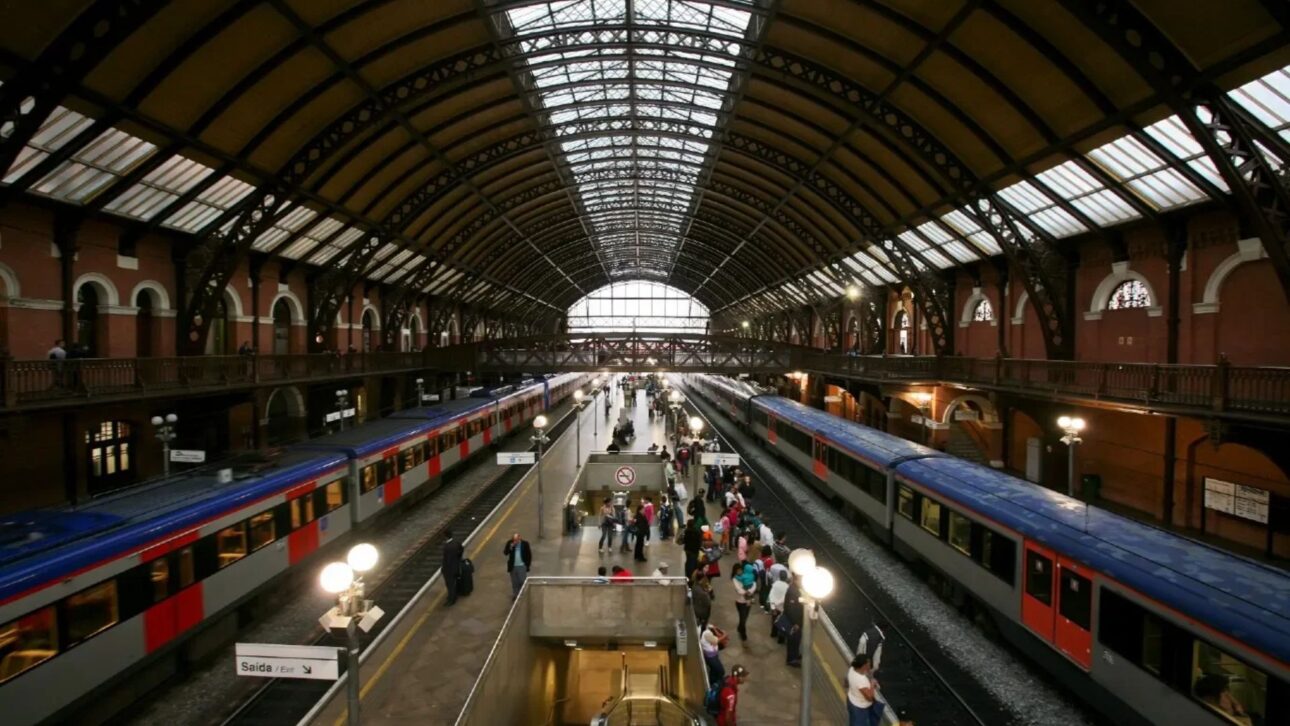
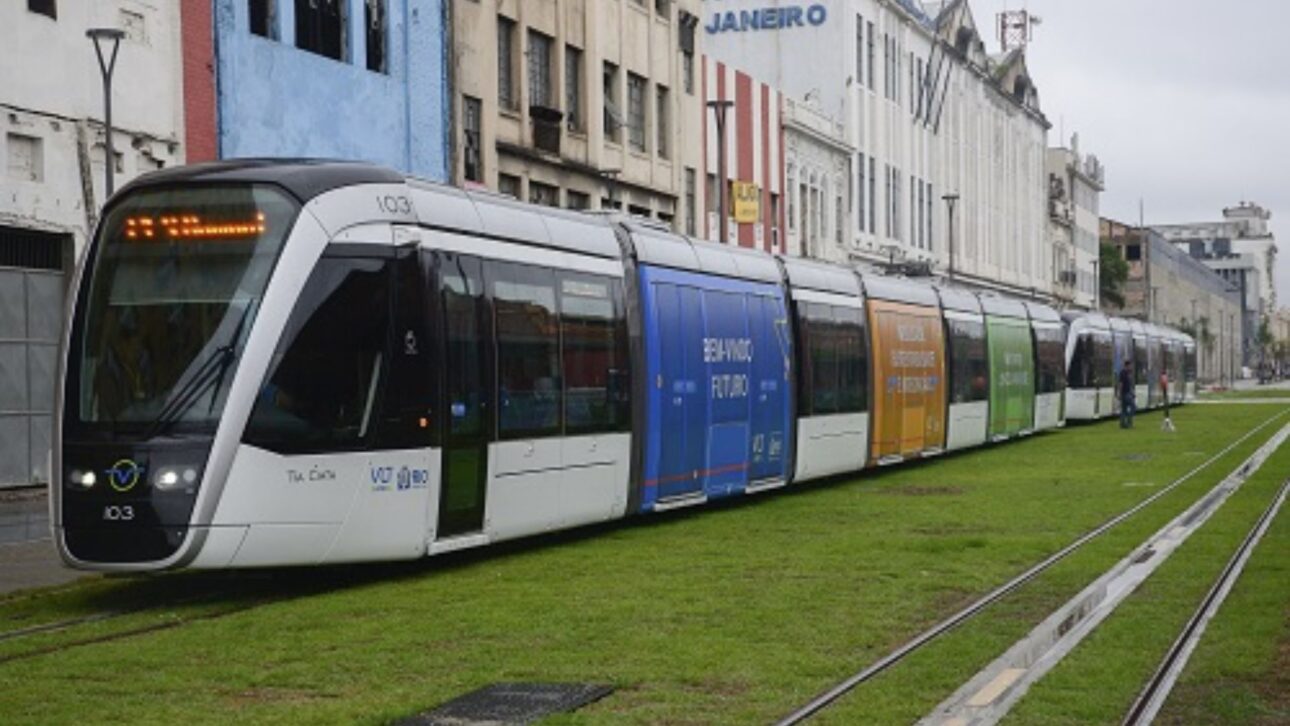
Salvador VLT: Cost, Deadline, and Balanced Efficiency
The Salvador VLT presents an intermediate alternative, with values and deadlines adjusted to the reality of medium-demand urban corridors.
The project plans for 36.4 km of tracks and 34 stations, with a public budget of approximately R$ 5 billion, resulting in a cost of R$ 137 million per kilometer.
Construction started in 2021, with the first phase expected to be delivered in 2026 and final completion in 2027, totaling about six years of execution.
Unlike the metro, the VLT is implemented mainly at ground level, with minimal excavations and the use of lighter compositions, suitable for less robust bridges and viaducts.
The system can transport, on average, 400 passengers per vehicle and, according to recent studies, achieves an average operational speed of 23 km/h, with peaks of up to 50 km/h and minimum speeds of 16 km/h in critical sections.
The maximum capacity of the VLT is around 10 thousand passengers per hour in each direction, requiring efficient integration with feeder bus lines.
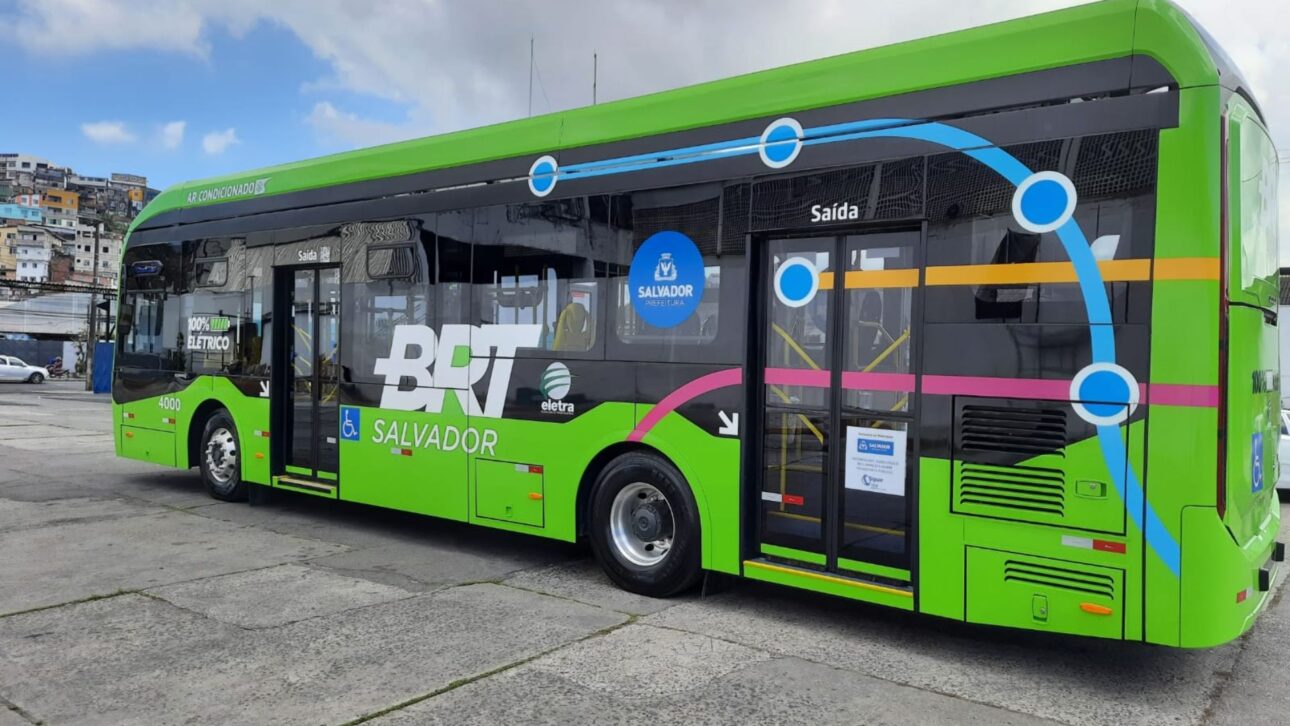
BRT: Lower Cost and Fast Implementation
The BRT stands out for having the lowest implementation cost among the three analyzed modalities.
The cost to build 1 km of BRT corridor ranges from US$ 7 million to US$ 15 million, or between R$ 35 million and R$ 78 million at the average 2025 exchange rate.
The example of the TransOeste corridor in Rio de Janeiro reinforces this trend: the project, which totals 56 km in length, had a total investment of R$ 800 million, resulting in just over R$ 14 million per kilometer.
This lower value arises from the simplicity of the interventions, which involve concrete exclusive lanes, tubular pre-boarding stations, and the use of articulated or bi-articulated buses of national manufacturing.
The work is generally completed in two to three years.
The system’s capacity, according to current sizing, reaches up to 30 thousand passengers per hour in each direction – below the maximum values attributed to rail systems.
Maintenance of the tracks, especially when paved, requires interventions every five or six years to prevent overloading and vehicle breakdowns.
Factors That Impact the Cost per Kilometer
The variation in costs between metro, VLT, and BRT is related to three main factors:
- Civil Works: Underground tunnels and deep stations elevate the cost of the metro by up to eight times compared to surface corridors.
- Rolling Stock: Metro stainless steel trains are priced up to seven times higher than bi-articulated buses.
- Energy and Signaling Systems: In the metro, electric supply and automatic control systems are costlier than the fueling and operation of buses, even in electrified fleets.
Capacity, Deadlines, and Useful Life of the Systems
Each modality presents differences in maximum capacity, implementation time, and structural durability.
The metro accommodates more than 50 thousand passengers per hour in each direction and lasts over 40 years before deep structural renovations.
The VLT serves up to 10 thousand passengers/hour/direction, with an average speed of 23 km/h, being suitable for medium-demand stretches.
The BRT, while more accessible in costs and deadlines (two to three years), has a physical limit of 30 thousand passengers/hour/direction and requires frequent maintenance to maintain efficiency.
Criteria for Choosing the Transport Modality
The choice between metro, VLT, and BRT involves a technical analysis of the available budget, demand estimates, and political timelines.
Cities with restricted budgets and the need for rapid expansion tend to adopt the BRT.
Tourist areas and those with narrow historical corridors invest in VLT.
Metropolitan areas with concentrated demand prioritize metro or monorail, even in the face of the high cost per kilometer.
The transparency of the implementation costs of each modality is fundamental for social control and sustainable urban planning.
Urban planners, public managers, and civil society can thus closely monitor resource allocation and demand solutions compatible with the reality and future of mobility.
Given these differences, which transport model do you think best meets your city’s demand? Is the cost per kilometer the most important factor, or are there other priorities at play?