Portuguese
  Spanish


Michelin Demonstrates Its Environmentally Friendly Tire That Promises to Be Very Economical
Michelin participated in the IAA Mobility auto show in Munich, Germany, last weekend. The company once again proved to be a pioneer in sustainable mobility, with a goal to use 100% sustainable materials in its tires by 2050. A major bet of the company is the sustainable, airless tire that will never need to be inflated.
The company took the opportunity to showcase the tire featuring airless technology that allows the driver to move in all directions without the risk of a flat tire. The tire also has a much smaller environmental impact than conventional tires. The concept of using a puncture-proof tire without the use of air has caught the market’s attention for years; however, only now have these projects emerged with the potential to capture the market.
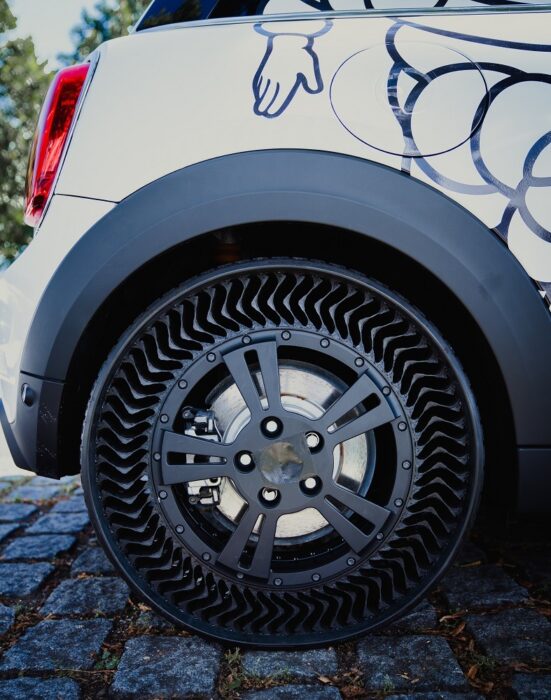
What Is the MICHELIN Uptis
The Michelin Uptis tire is the first step of the company’s Vision concept, featuring airless technology that eliminates the risk of tire punctures, along with a significantly lower environmental impact. The project includes an aluminum wheel and a flexible structure made of plastic reinforced with glass. In a statement, the company emphasized that the revolutionary tire will have the same quality and durability as traditional tires.
-
Brazilian scientists are simultaneously advancing two research projects on clean hydrogen and driving solutions that could transform the energy matrix, enhance industrial competitiveness, and accelerate large-scale emission reduction targets.

-
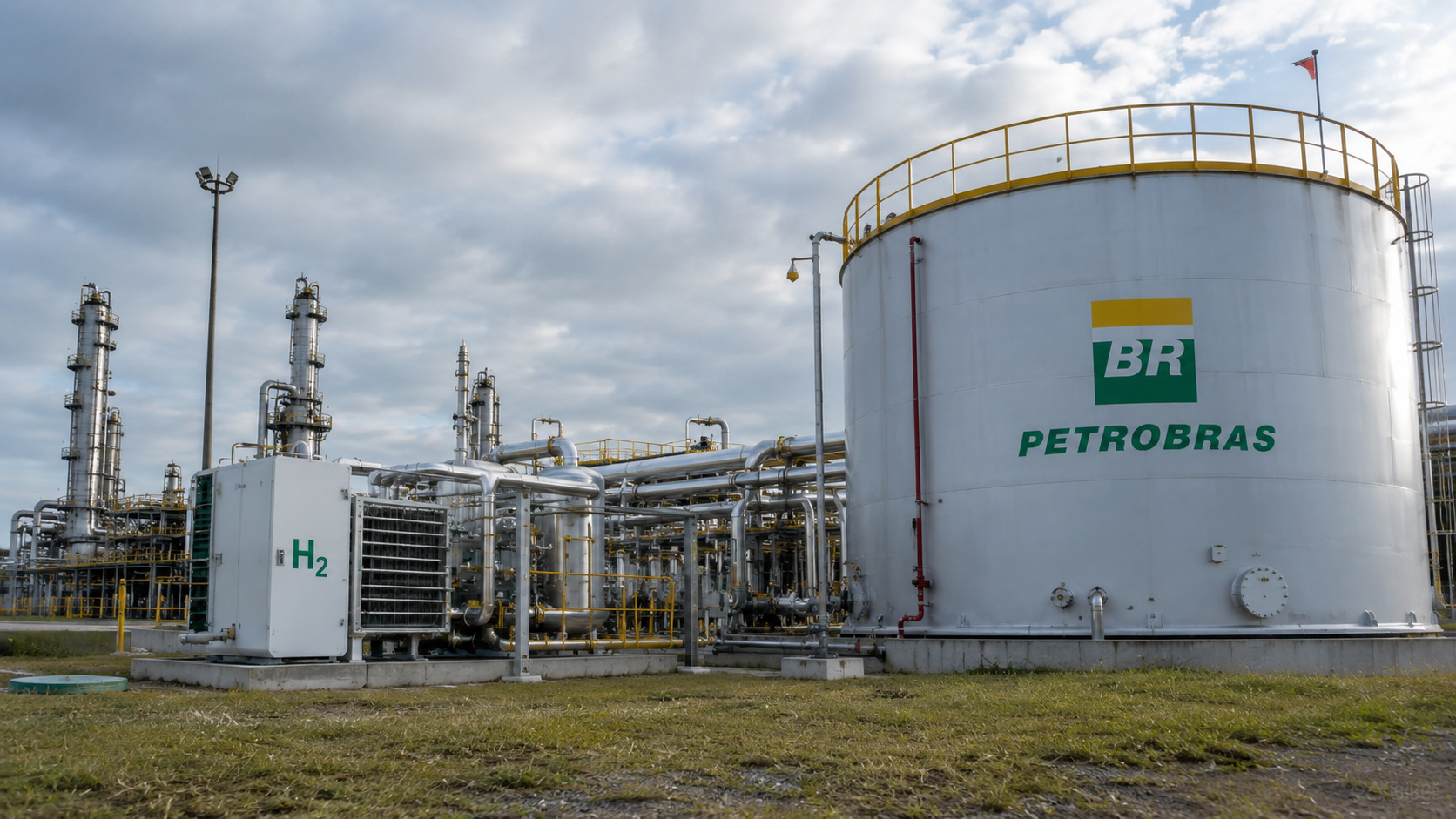
Advancement in renewable energy: A R$ 150 million project launched by Petrobras and Finep aims to create state-of-the-art electrolyzers for green hydrogen, strengthening national research and preparing Brazil to compete in a billion-dollar energy market.
-
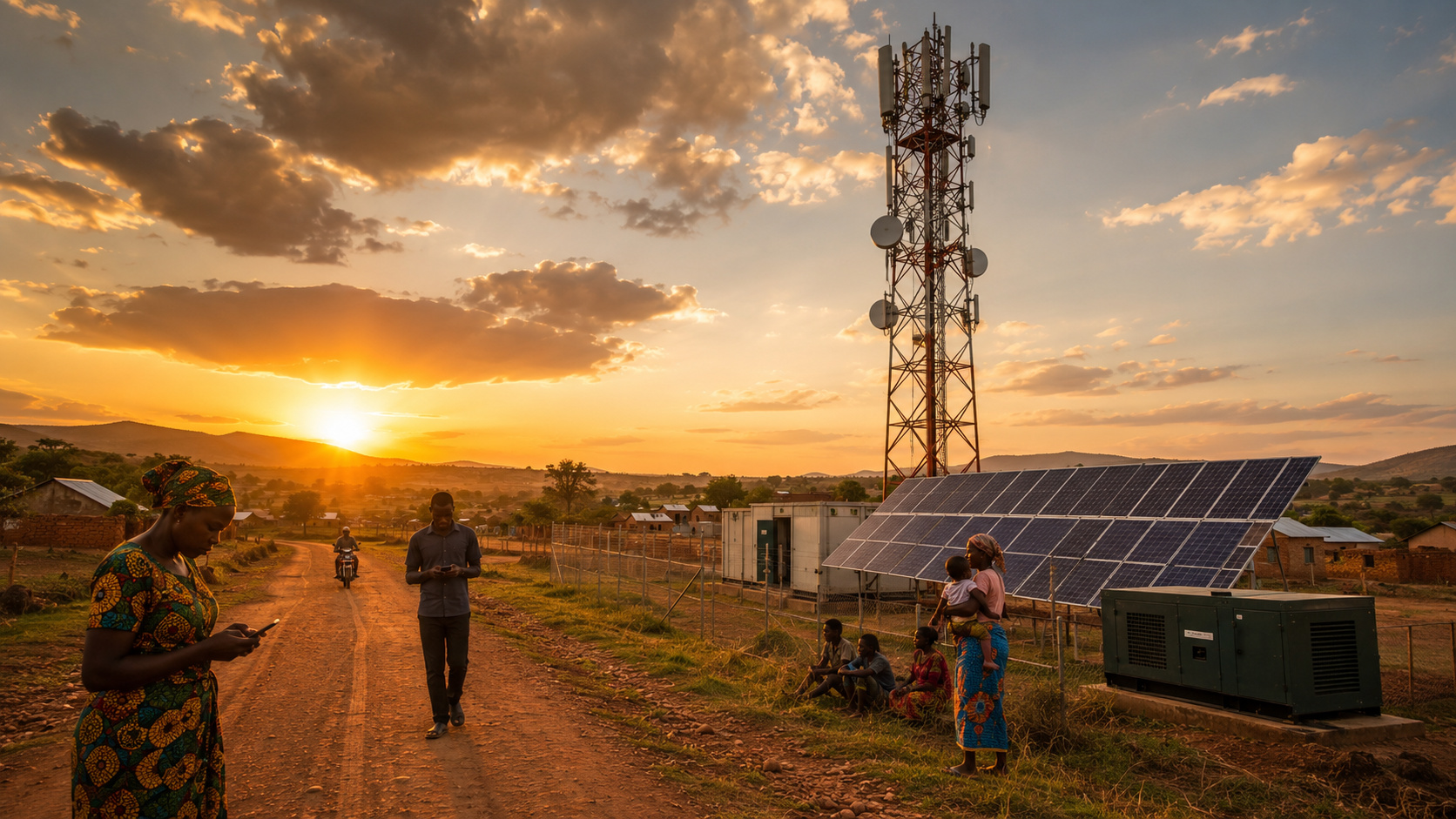
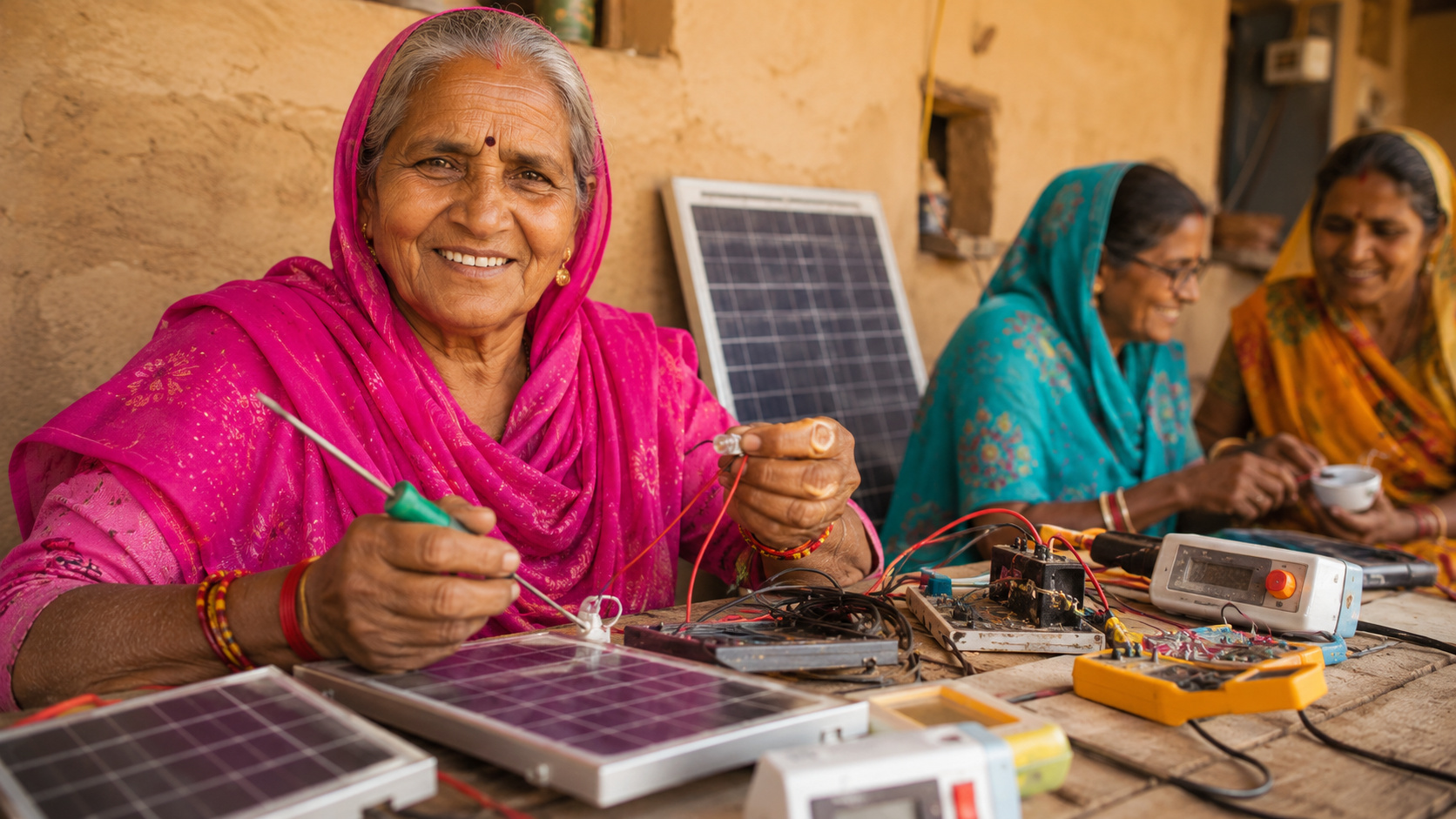
Illiterate or semi-literate grandmothers were trained to repair solar systems, open rural workshops, and light up homes that still depended on kerosene.
-
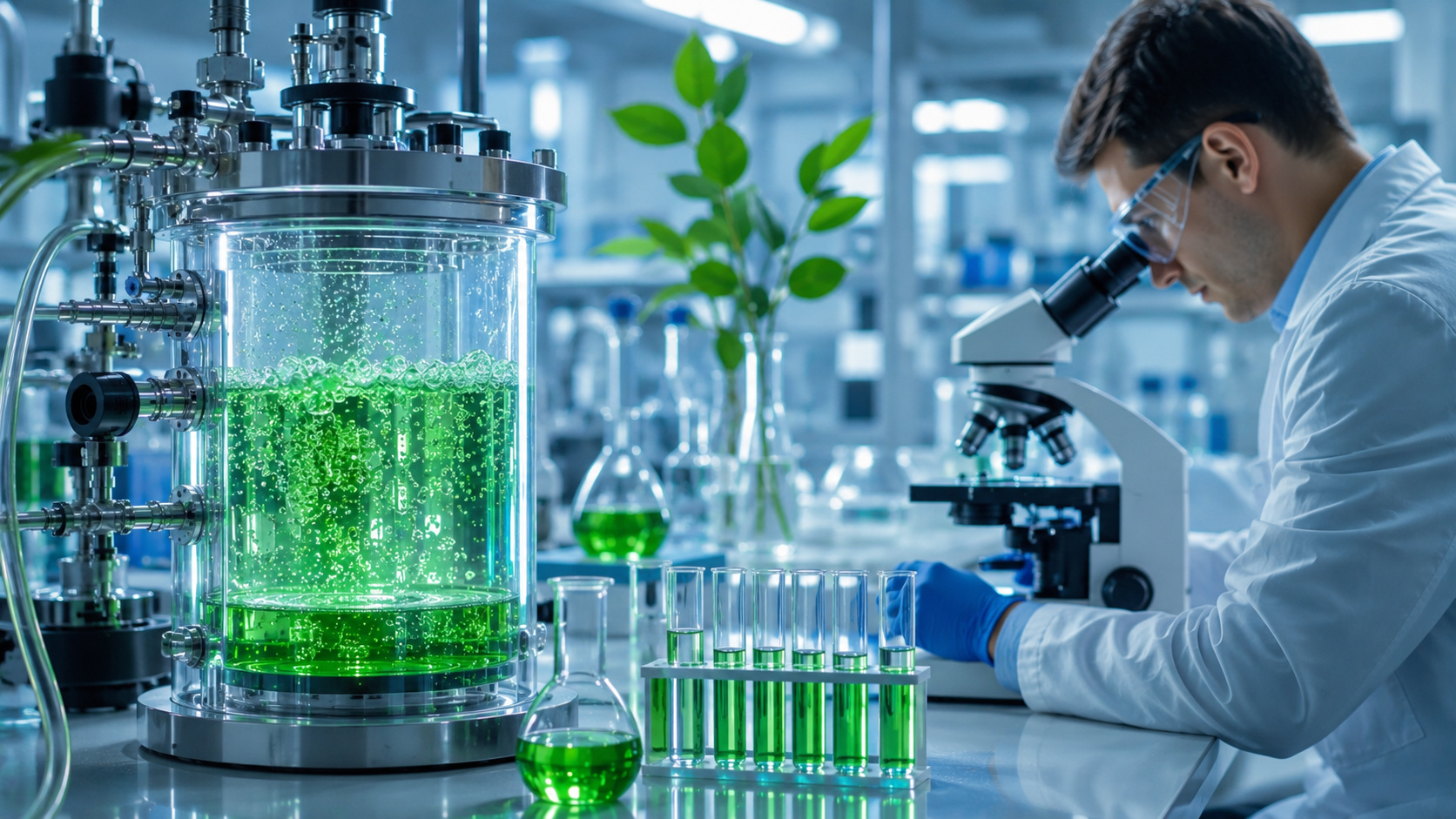
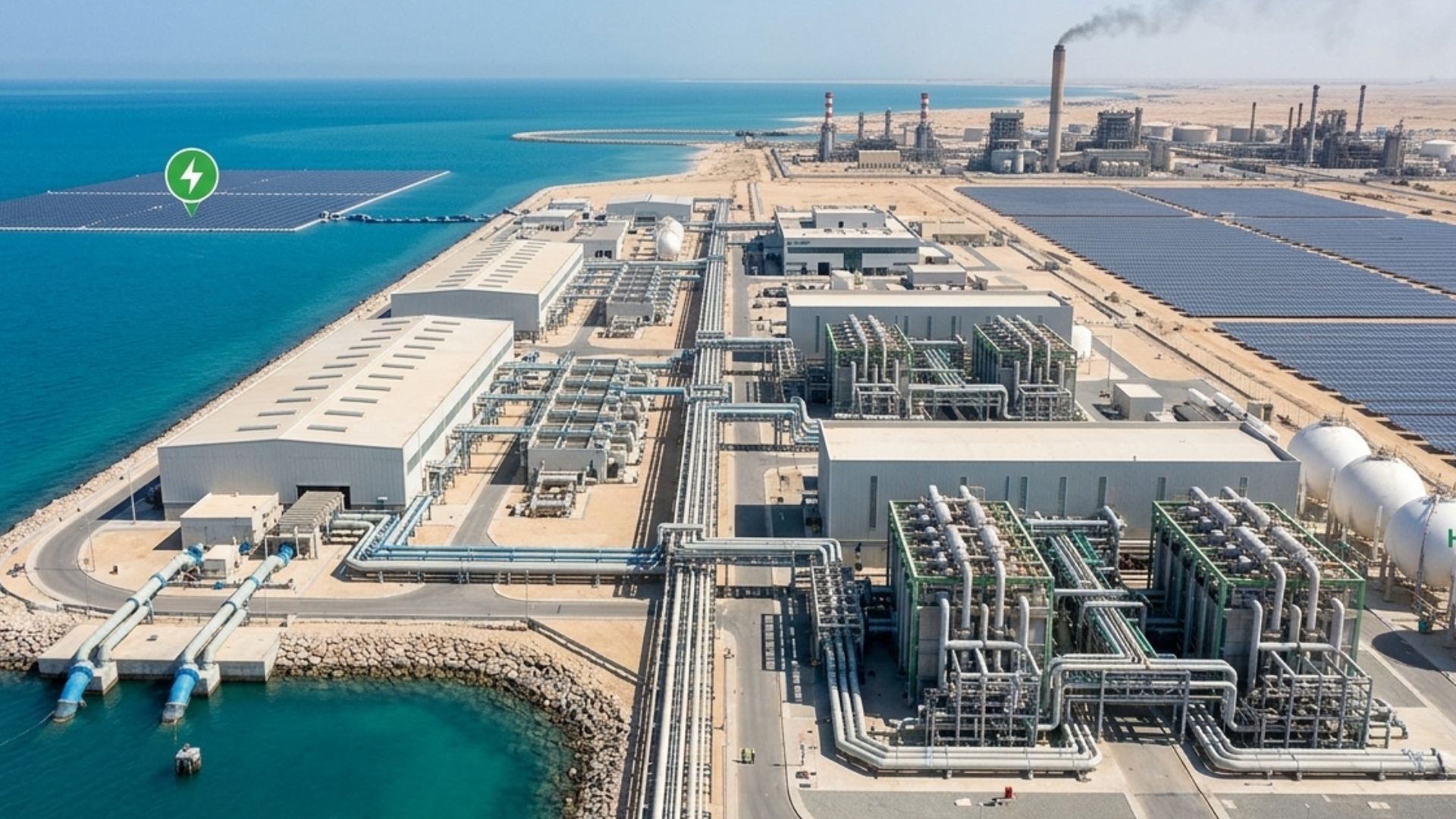
The world has bet on green hydrogen as the fuel of the future, but now faces the side effect: producing 1 kilogram requires about 9 liters of ultrapure water, and the largest projects on the planet are precisely in the driest regions of the Earth, where water is already scarce for people.

The innovation was presented to the public at the event, receiving much praise for the product’s quality and resemblance to traditional tires: “It was an exceptional experience for us, and our greatest satisfaction came at the end of the demonstration when our passengers, who were understandably a bit cautious at first, said they felt no difference compared to conventional tires,” said Cyrille Roget, the company’s communications director.
More than 3 billion tires are manufactured globally, many of which end up in landfills in a short time. The project seeks to build tires with more natural materials, besides having a longer lifespan. The company’s idea is to advance in the construction of 100% recyclable tires and to become a global example in the sector.