Portuguese
  Spanish


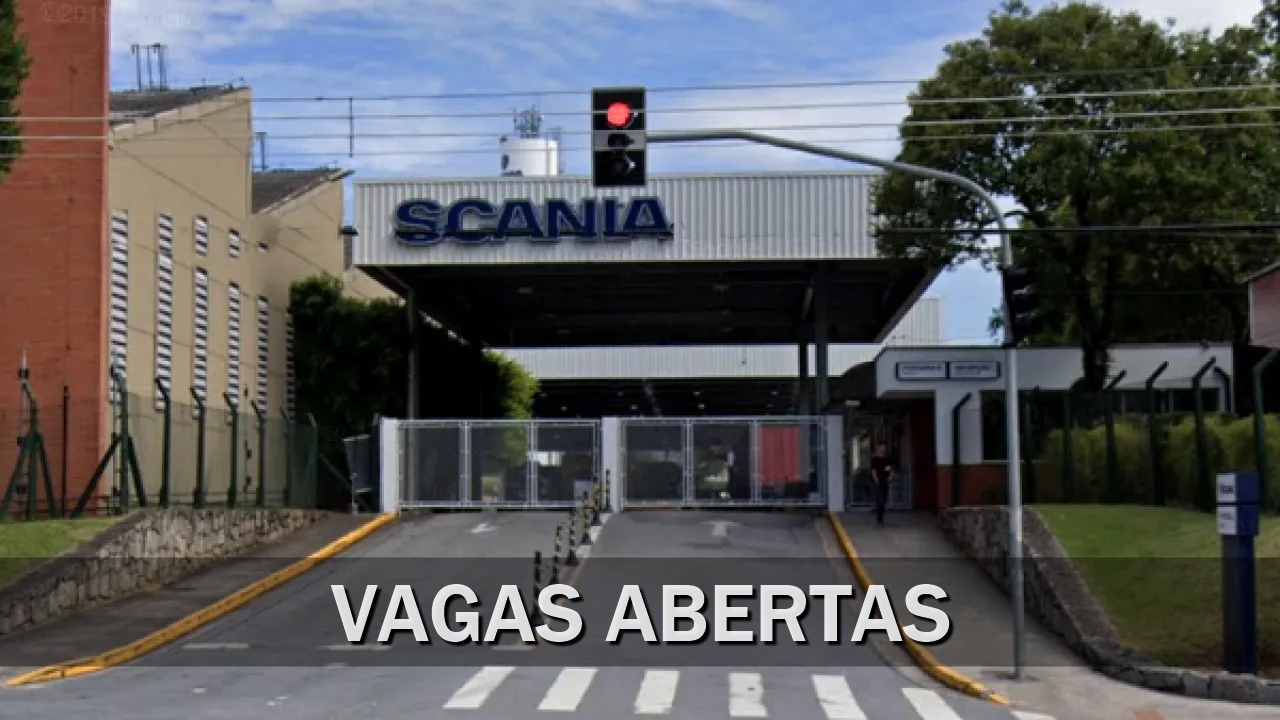

Job Openings to Work at Scania’s Factories. See Below How to Submit Your Resume and Participate in the Selection Process
Build your career at Scania, a global leader in the production of heavy trucks, buses, and industrial and marine engines. The automaker has job openings at its factory in São Bernardo do Campo (SP) for candidates with technical high school and higher education. See below the positions available and how to register your resume.
Read Also
In 1957, Scania made the decision to inaugurate the first plant outside of Sweden in Brazil. Scania Latin America is located in São Bernardo do Campo, covering an area of more than 400,000 m², and is the only plant outside the headquarters to produce the complete product. At this unit, over 4,500 employees work in Cabin, Chassis, Engine, Transmission Factories, as well as in the Research & Development and administrative areas, producing and exporting vehicles and components to all of Latin America, Africa, Asia, and the Middle East.
Check Out the Video Below on How Scania’s Production Line Works!


Check Below for Job Openings for Technical High School and Higher Education in SP
- Junior Export Foreign Trade Analyst
- Mid-Level Financial Operations Analyst
- Mid-Level Insurance Analyst
- Infrastructure Electrical Maintenance Assistant
- Food Services Assistant
- TALENT BANK
- Mid-Level Buyer
- Logistics Technician (Vinhedo)
- Mechatronics Maintenance Technician
- Mechatronics Maintenance Technician
- Mechatronics Maintenance Technician (Siemens PLC)
- TEMPORARY POSITION – Materials Planning Analyst PL (VINHEDO)
Application: Those interested in building a career at Scania, a global leader in the production of heavy trucks, buses, and industrial and marine engines, should register their resume directly on the company’s website at this link.
-
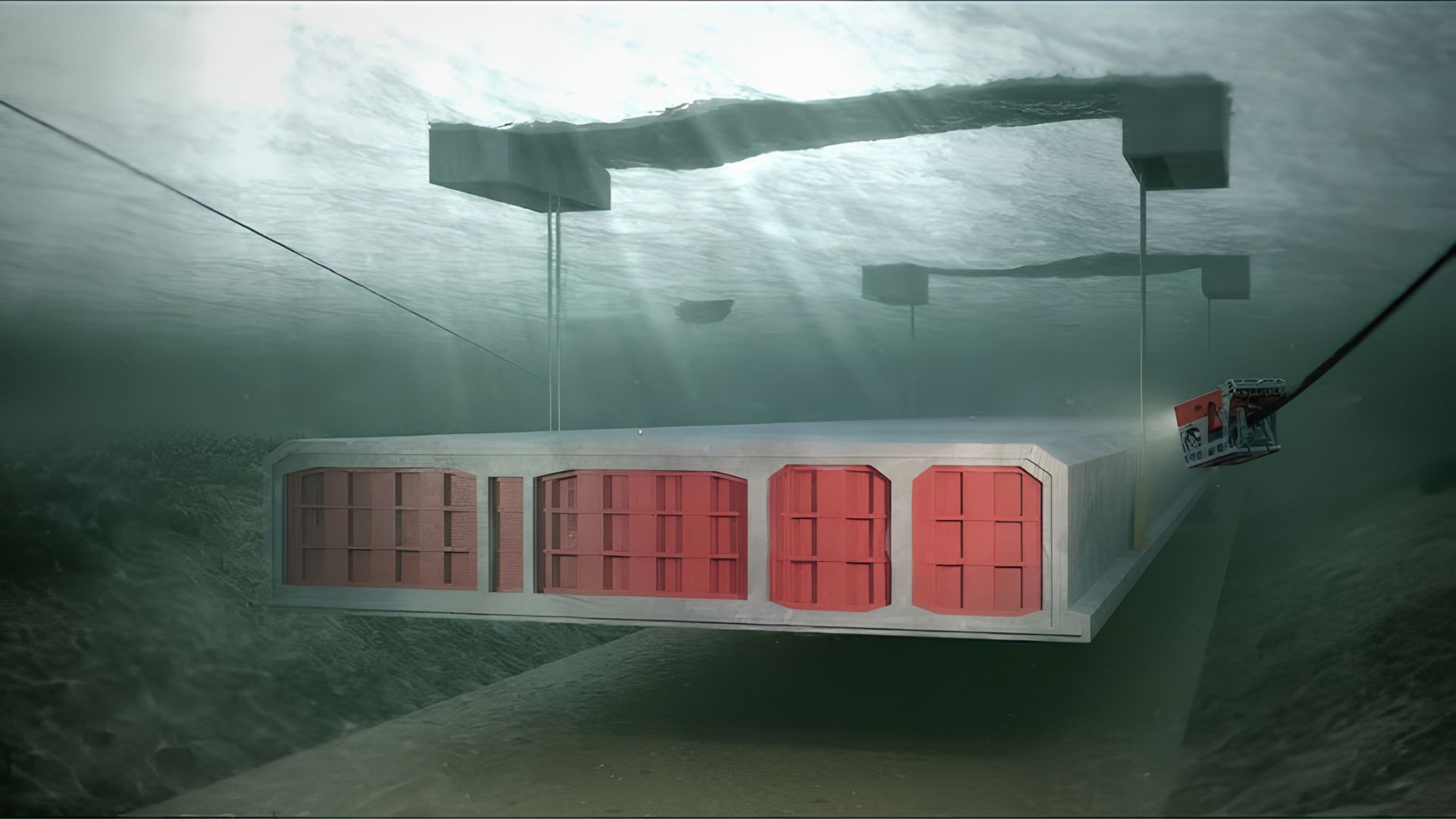
Denmark Constructs World’s Largest Immersed Tunnel to Connect with Germany, Sinking 217-Meter Concrete Sections in the Baltic Sea

-
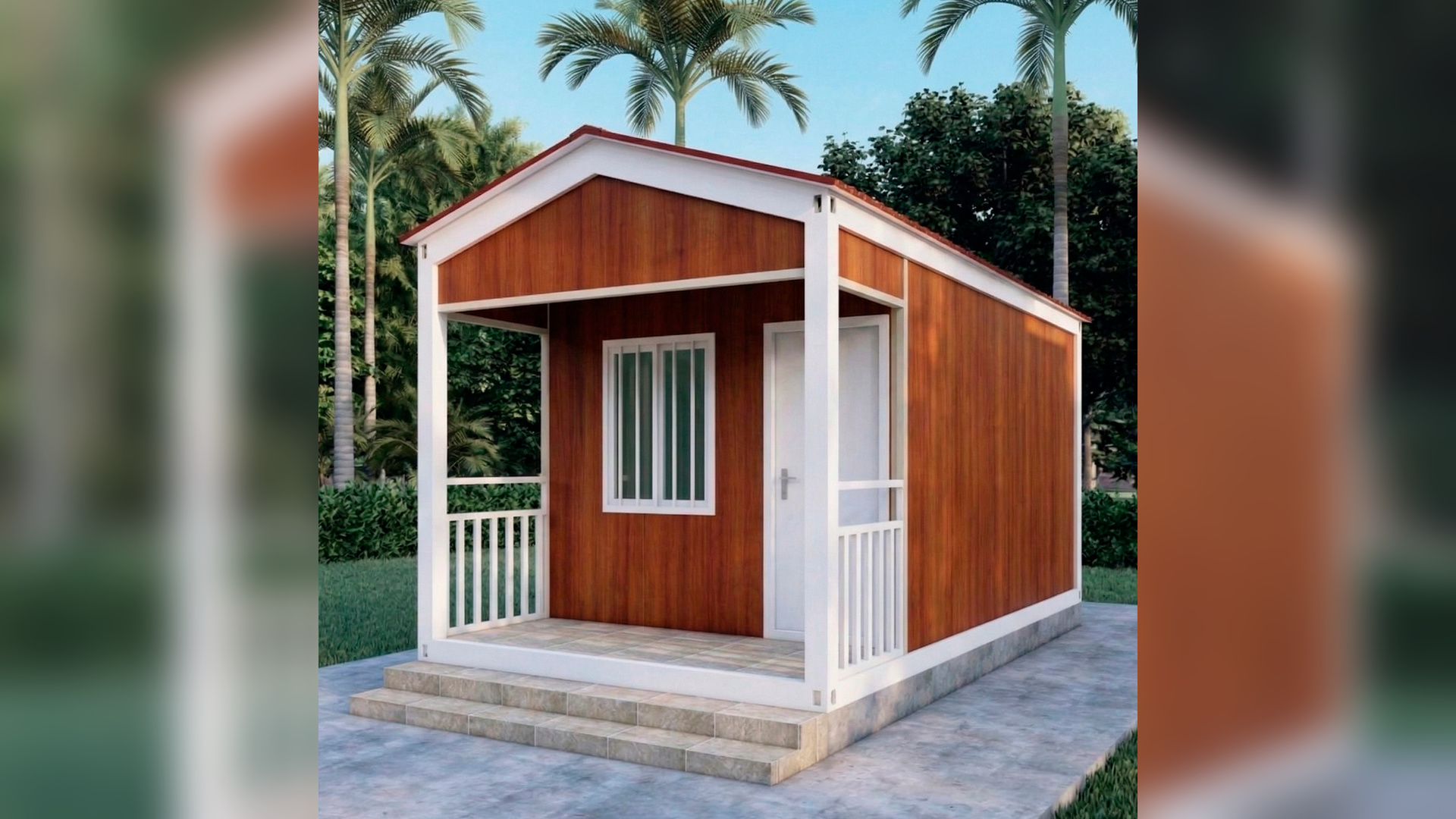
Low-Cost Concrete Panel House Goes Viral: Investor Reveals Prefabricated Kit Structure for Around $1,500, Assembled in 30 Days, with Plans for Rental and Resale Income

-
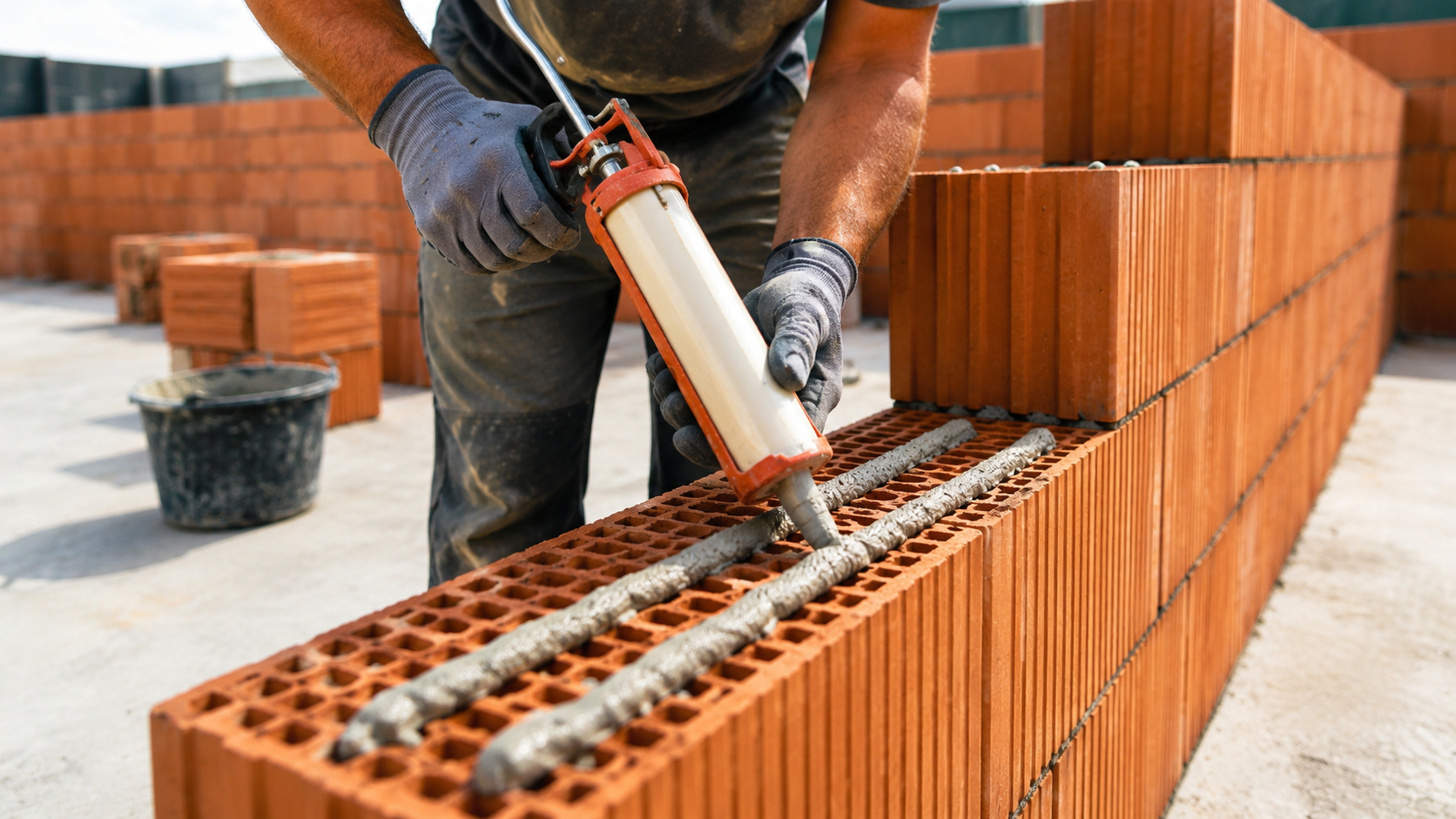
Polymeric Mortar Revolutionizes Brazilian Construction with Efficient, Clean Application and Uniform Finish

-
Biologist Builds 160m² Dream Home in Brazil for $32,000 Using Eco-Friendly Bricks, Achieving 67% Savings Through Smart Planning and Simple Solutions


Scania Replaces 40 Lead-Acid Battery Forklifts with Lithium-Ion Electric Forklifts at Its São Paulo Unit as Part of its Commitment to Energy Transition
The Vinhedo (SP) unit of the multinational vehicle manufacturer Scania, responsible for supplying spare parts for Latin America, optimizes its operations and has just completed the process of replacing 40 lead-acid battery forklifts with 40 lithium-ion electric forklifts, resulting in increased productivity for employees with safety and improved ergonomics.
The project, which includes the rental of the handling equipment, installation of chargers, and implementation of the telemetry system, is the result of a partnership with Jungheinrich, one of the global leaders in intralogistics solutions.
Brazilian Ethanol Attracted Volkswagen’s Attention, Which Aspires to Transform Brazil into a Center for Developing Internal Combustion Engine Cars
Brazilian ethanol is in the sights of Volkswagen! In the global race to decarbonize the planet, many countries are projecting to use electric cars in greater quantity and in the short term, especially in Europe. However, Brazil can reduce its emissions very quickly and cheaply by increasing the production and use of ethanol. Renato Romio, head of the Engines and Vehicles Division at the Mauá Institute of Technology (IMT), points out that important automakers in the national and international markets have recognized the potential of Brazilian ethanol for controlling polluting gases.
“The interest in our fuel has attracted the attention of companies like Volkswagen, which aspires to transform Brazil into a center for developing internal combustion engine cars. The automaker believes that electric cars in Brazil would not have the same acceptance and consumption as in Europe. Because, in addition to being expensive, we produce ethanol, considered a biofuel that can very well meet the objective of reducing pollutant emissions and CO2,” comments Romio.