






 Portuguese
  Spanish
  3 min of reading
  0 comments


Is Heating Food in the Microwave Dangerous? Get Your Questions Answered Once and For All
You’ve probably heard this story: “microwaves emit radiation and can cause cancer.” And you may have even been worried about getting too close to the appliance while it heats your food. But does that make any sense? Spoiler: it doesn’t. Science has clear answers about this, and they will surprise those who still have doubts about the safety of this common kitchen appliance in Brazilian homes.
Not All Radiation is Evil
Let’s start with the point that scares the most: radiation. Just hearing this word makes many people associate it with contamination, serious illnesses, or nuclear accidents. But, in practice, it’s much simpler (and less threatening). There are two main types of radiation: ionizing and non-ionizing.
Ionizing radiation is the one that can really cause harm to the human body, like X-rays or the radiation released in nuclear accidents. It has enough energy to alter DNA and, yes, can increase the risk of cancer. Non-ionizing radiation, like that from microwaves, does not have the strength to damage cells or alter genetic material. In other words, there’s no reason to panic.
-
Survivor of 1966 SS Daniel J. Morrell Shipwreck in Lake Huron Recounts 38-Hour Ordeal in Extreme Cold

-
The Greatest Hoax in World Cup History? The Film That Denied Brazil’s 1958 Victory and Exposed How Fake Evidence Can Seem Convincing on TV
-
Fake South Korean Online Stores Offer Shopping Thrill Without Spending Money or Receiving Products
-
Helicopter Drops 180 Tons of Sand and Gravel on Swedish River to Revive Ecosystem Damaged by Decades of Exploitation



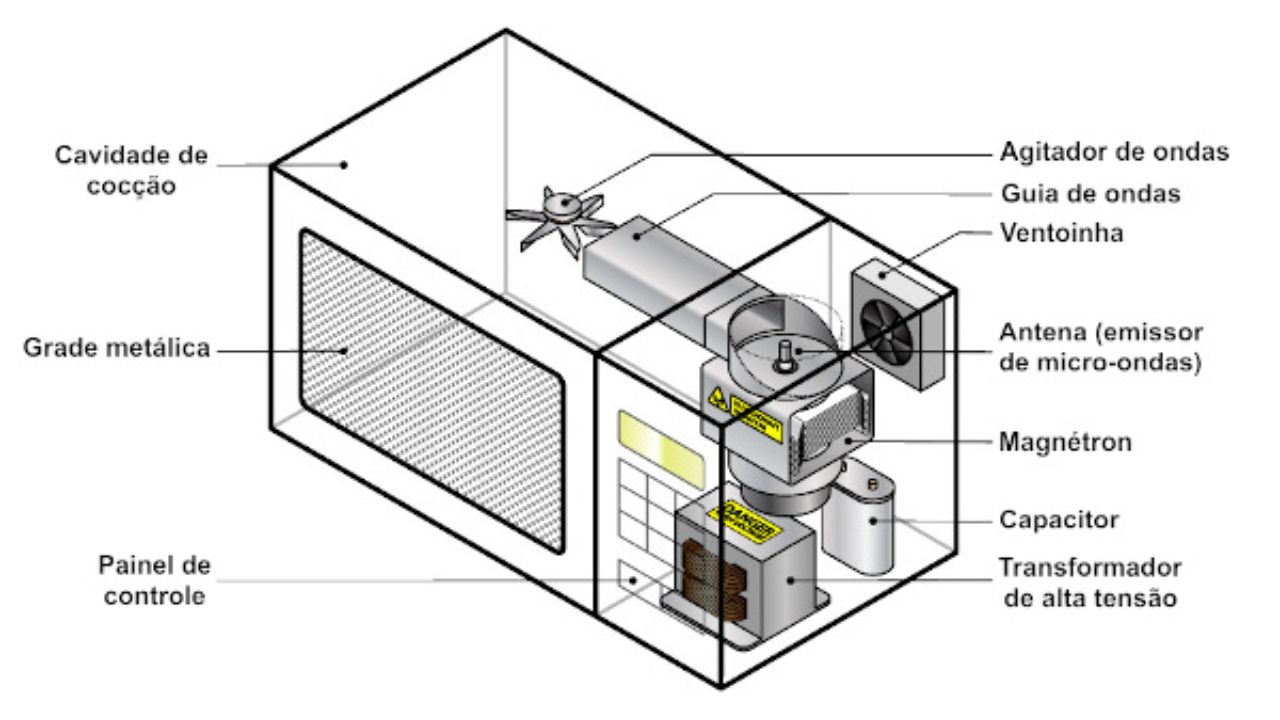
How Does the Microwave Heat Your Food?
The process that happens inside the oven is nothing magical or mysterious. The technology is based on what is called dielectric heating. What does this mean? Basically, microwaves make the water molecules in the food vibrate quickly, generating heat through friction. That’s what heats up your leftover lasagna or that cup of coffee that got cold.
The one responsible for creating these waves is the magnetron, an electronic valve that converts electrical energy into high-frequency radio waves. This whole process takes place inside a sealed metal chamber, with proper sealing and a mesh screen, precisely to prevent the waves from escaping. According to Inmetro, these systems are highly safe when the appliance is in good condition.
What Does Science Say About Microwaves and Cancer?
From time to time, serious research is conducted to assess the real impacts of household microwave use on human health. One of the most respected analyses was conducted by the World Health Organization (WHO), and the verdict was clear: there is no scientific evidence linking normal microwave use to the development of cancer or other diseases.
In Brazil, organizations like Inmetro and Anvisa ensure that the appliances sold comply with strict safety standards. But it is worth remembering that damaged appliances or those with compromised seals should be evaluated or replaced, as they may cause small leaks — which, while not dangerous, fall below safety standards.
The Real Problem is Misinformation
A study conducted by the Universities of London and Leeds interviewed over a thousand people to find out what they believed were causes of cancer. The result? A large portion of the population mistakenly associates serious illnesses with things like microwaves, while ignoring real risks such as smoking, obesity, sedentary lifestyle, and alcohol.
This type of misunderstanding fuels what is called fatalism, which is when a person believes that anything can cause cancer and that it’s not worth taking care of oneself. This is dangerous because it diverts attention from habits that really make a difference in preventing the disease.


Microwaves are Safe (What is Not Safe is Believing Everything You Read on the Internet)
You can rest easy: your home microwave is not a cancer bomb about to explode. When used correctly, and as long as it is in good condition, it is completely safe. The energy it emits does not have the power to alter DNA and will not contaminate you or “infect” your food.
The greatest risk it poses, in fact, is our old enemy: misinformation. So, the next time you hear that microwaves cause cancer, respond with science and share knowledge. This is the most powerful way to take care of public health.


-

1 person reacted to this.