






 Portuguese
  Spanish


Excavations Uncover Mining Complex With Statues, Coins, and Advanced Technology From Ancient Egypt. Check It Out!
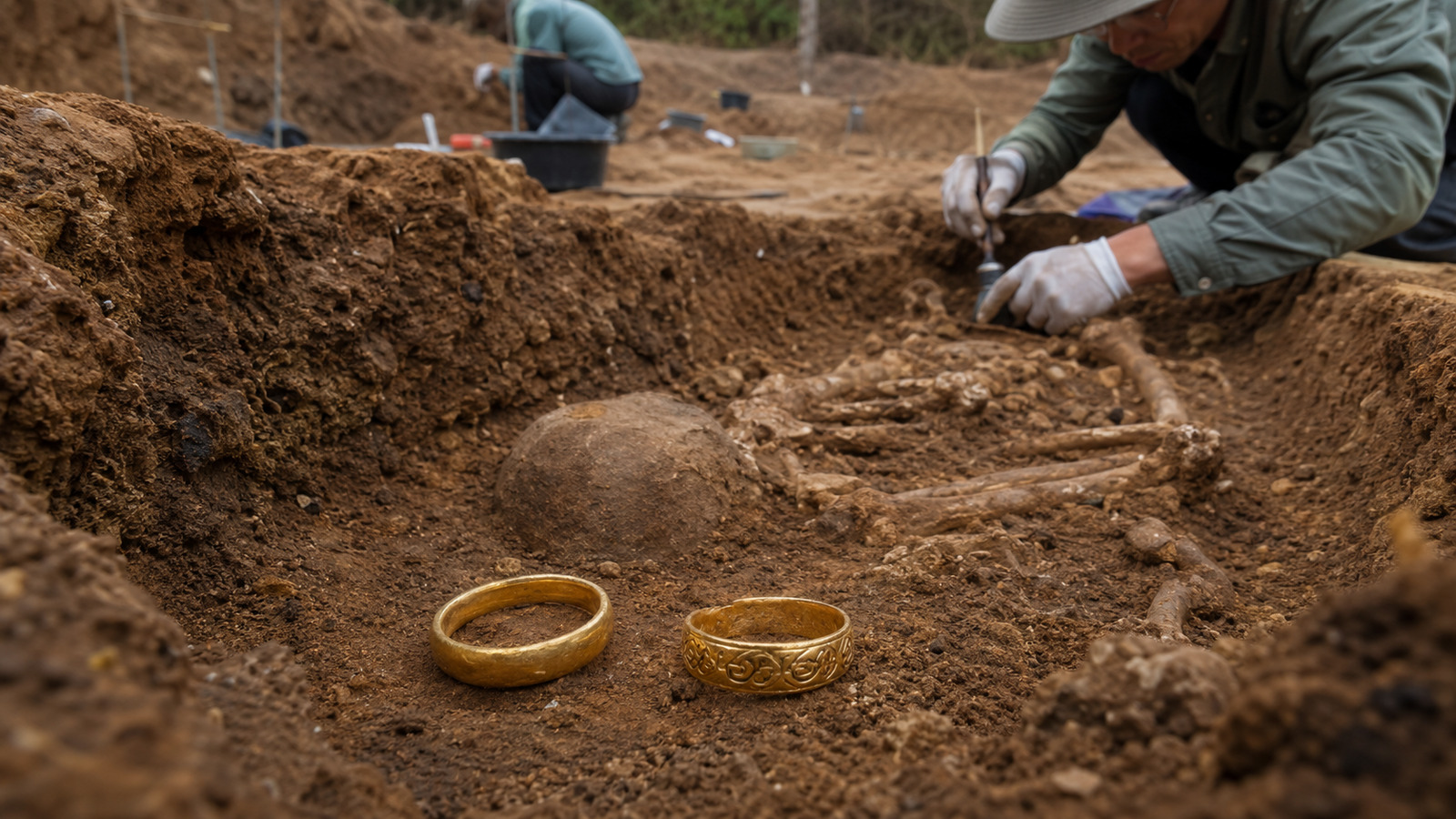
An impressive discovery has just been revealed in Egypt! Archaeologists found an ancient 3,000-year-old gold mine in the Red Sea province of Jabal Sukari. The archaeological site, which underwent an extensive excavation and revitalization process over the past two years, has brought to light surprising evidence of the advanced mining technology used by ancient civilizations, according to the site Revista Galileu.
What Was Found in the Gold Mine?
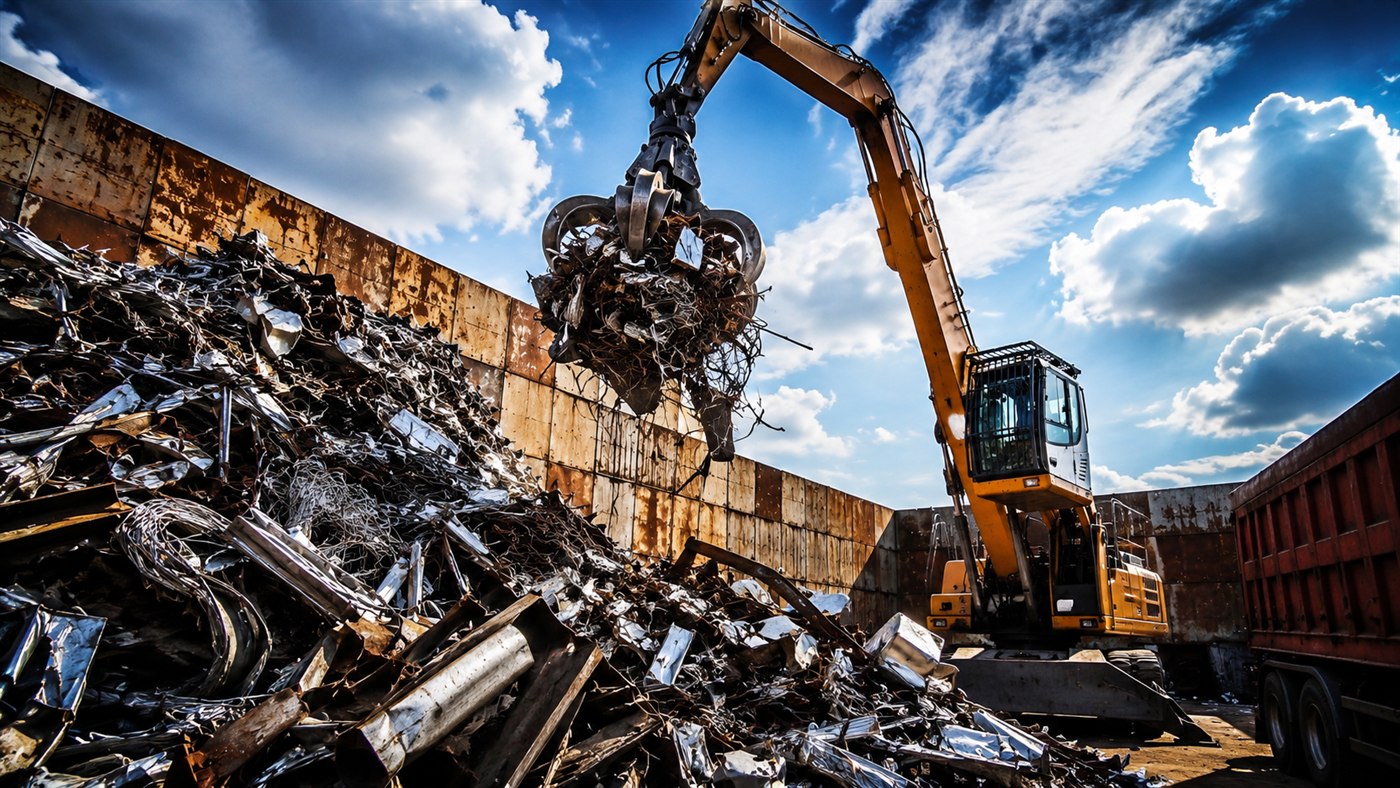
The archaeologists identified a sophisticated gold extraction and processing complex, with remnants indicating the importance of this site in the economy of Ancient Egypt. Among the findings of the gold mine are:
✅ Gold extraction factories with milling and crushing stations;
✅ Clay furnace for metal smelting;
✅ Filtering and sedimentation basins for gold purification;
✅ Bronze coins from the Ptolemaic dynasty;
✅ Greco-Roman terracotta figurines representing deities and hybrid figures of humans and animals;
✅ Artifacts with inscriptions in hieroglyphs, demotic, and Greek, highlighting the cultural mix of the region;
✅ Personal items such as perfumes, medicines, and incenses, used by the local inhabitants.
-
Neon Blue Glow in Brazilian Waters Captivates Locals and Goes Viral, Unveiling Rare “Sea Fire” Phenomenon

-
Forgotten Map Leads Diver to Shipwreck with Gold, Rare Jewels, and Secrets Hidden for Nearly 350 Years
-
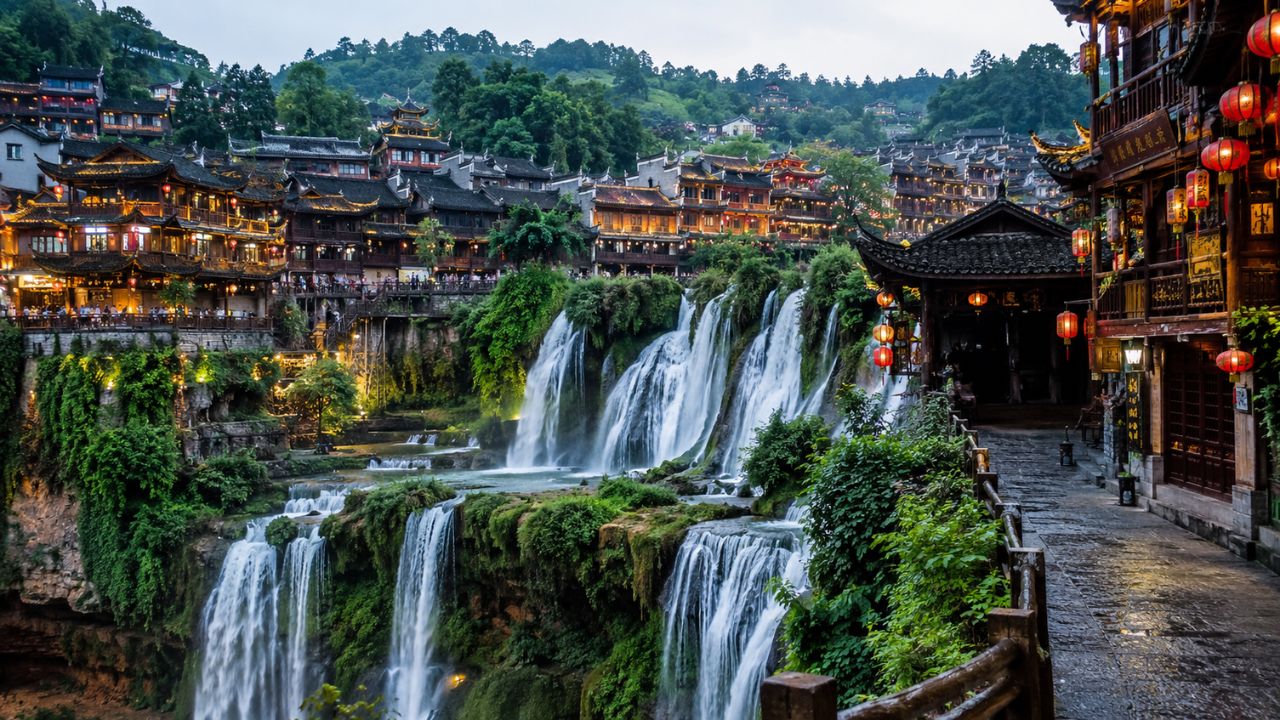
Furong: The 2,000-Year-Old Chinese City Built on a 60-Meter Waterfall Becomes a Global Tourist Phenomenon

-
YouTube Inventor Dubbed “Real-Life Tony Stark” Builds Robotic Legs for Father’s Day, Creating a Wheelchair That Conquers Stairs and Rough Terrain



An Advanced Mining Center
The Secretary-General of the Supreme Council of Antiquities (SCA), Mohamed Ismail Khaled, emphasized the importance of the discovery:
“Excavations revealed a 3,000-year-old gold processing complex. The facility featured milling and crushing stations, filtering and sedimentation basins, and ancient clay furnaces used to smelt gold extracted from quartz veins.”
In addition to the mining structures, researchers also found remnants of temples, public baths, workshops, and administrative buildings, suggesting that the site housed a structured community that relied on gold exploitation.
Preservation and Tourism
To ensure the preservation of the findings from the gold mine, many artifacts were transferred to a location three kilometers away from the mine, away from modern mining. In addition, some structures were replicated in full size for exhibition and tourism purposes, allowing visitors to have an immersive experience of how gold extraction worked in the past.
Egypt has been increasingly investing in the archaeological sector as a tourist attraction, and this new discovery promises to be yet another major draw for scholars and history-loving travelers!





Com esta descoberta vamos construir uma estrada do norte ao sul
De delírio em delírio os pesquisadores da historiografia antiga vai envolvendo os incautos internautas com estas fantasias da sociedade egípcia; era ptolomaica de 3.000 anos é duro de se engolir; a mentira é tão grande que se todas riquezas encontradas em todas as TUMBAS do Egito antigo fossem transformadas em ouro e colocadas no seu Banco Central, este país seria a nação mais rica do planeta Terra.
Pena que a História de toda a humanidade sempre vai ser uma incógnita…antes de criticarem, digo isso por não haver certeza em datas e realmente como eram os povos astecas, maias, incas etc justamente por na época não haver registros fotográficos ou vídeos dependendo apenas dos registros manuscritos ao longo do tempo