





 Portuguese
  English
  Spanish
  5 min of reading
  0 comments


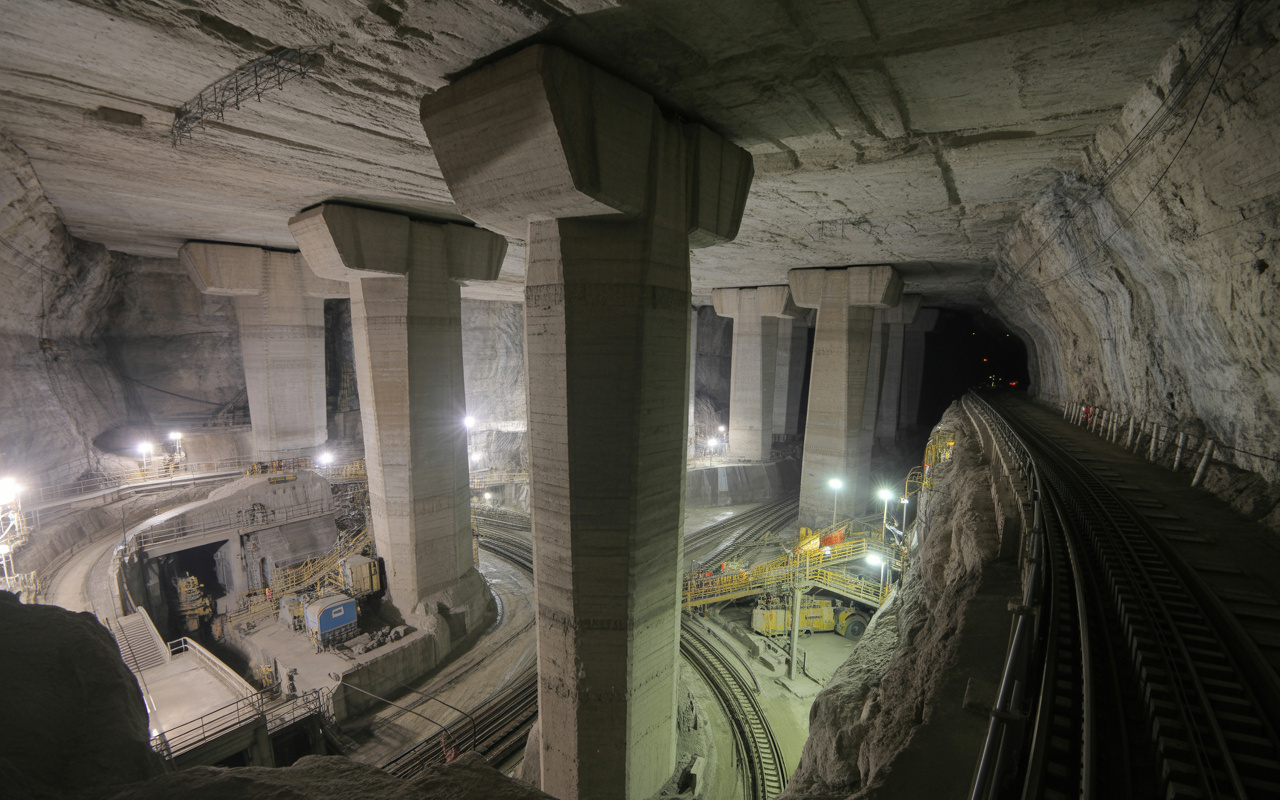
Hundreds of Meters Below the Surface, Vast Galleries, Colossal Pillars and Monumental Structures Form a Subterranean World in Russia, Designed to Support and Explore Some of the Largest Potash Deposits on the Planet.
According to technical reports from the fertilizer industry, Russian geological studies and historical documentation of deep mining projects in Eastern Europe, the underground potash mines of Russia are among the largest structures ever excavated by humans that have no urban or residential function. They are invisible works, spread under forests, fields, and cities, functioning as permanent underground infrastructures, designed to operate for decades in a highly unstable geomachanical environment.
These mines are not limited to vertical shafts and pinpoint tunnels. They form extensive networks of galleries, with hundreds of kilometers excavated in evaporitic rock, where each meter needs to be carefully calculated to avoid progressive collapses that could compromise entire areas of the surface.
Giant Deposits Buried Beneath Hundreds of Meters of Rock
The main potash deposits being mined in Russia are located in the Ural Mountains, particularly in the Verkhnekamsk basin, one of the largest known reserves of potash salts on the planet. These deposits are found at depths that average between 300 and 500 meters, beneath layers of sedimentary rock, clays, and evaporites.
-
China wants to transform coal waste into a source of critical metals and use industrial ash to extract germanium, lithium, gallium, and aluminum used in batteries, chips, and electric vehicles.

-
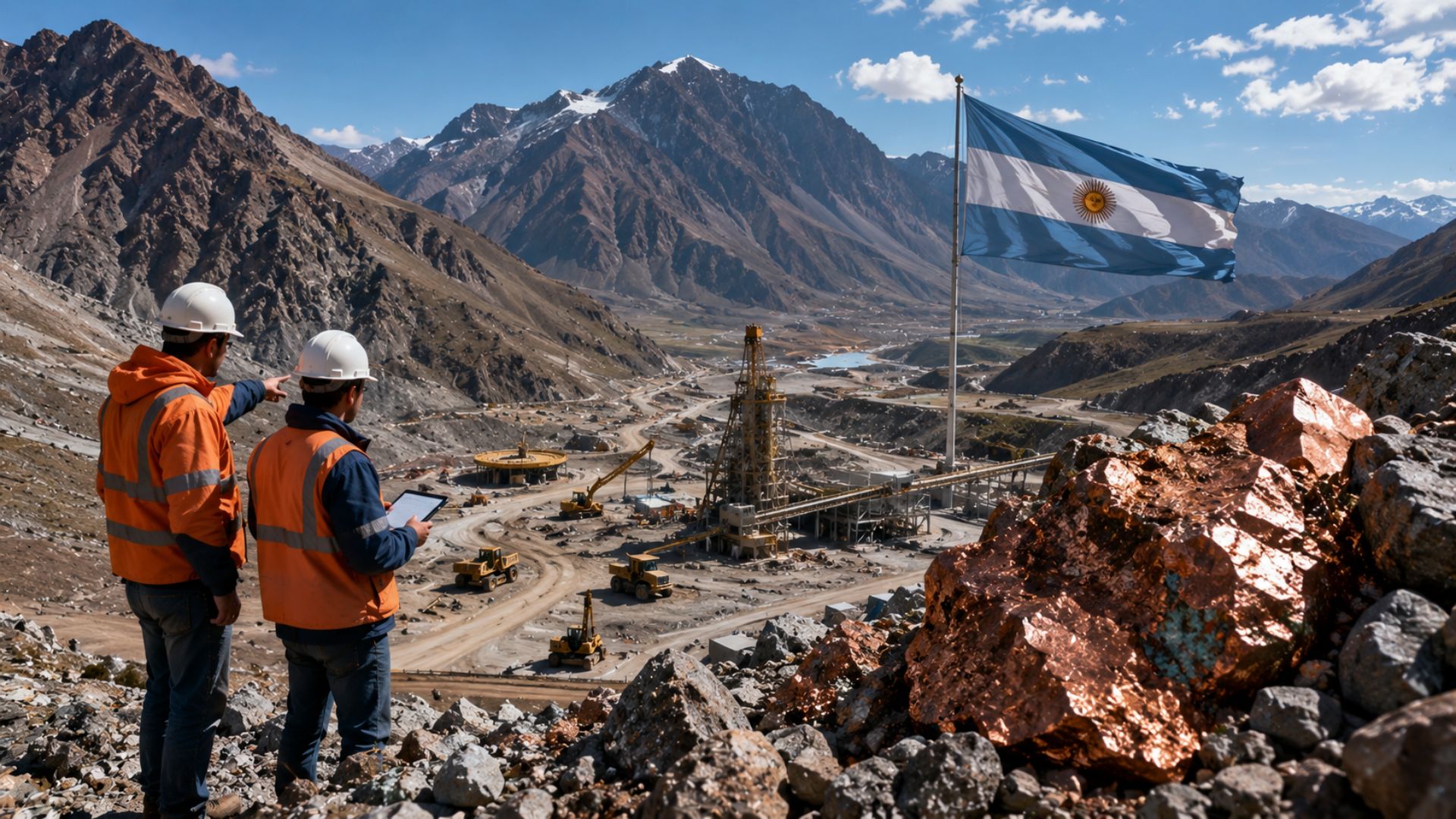
Without producing a single ton of copper today, Argentina wants to become one of the ten largest producers of the metal in the world by 2035, betting on the Andes deposits and billion-dollar incentives from the Milei government to unlock projects that have been stalled for decades.

-
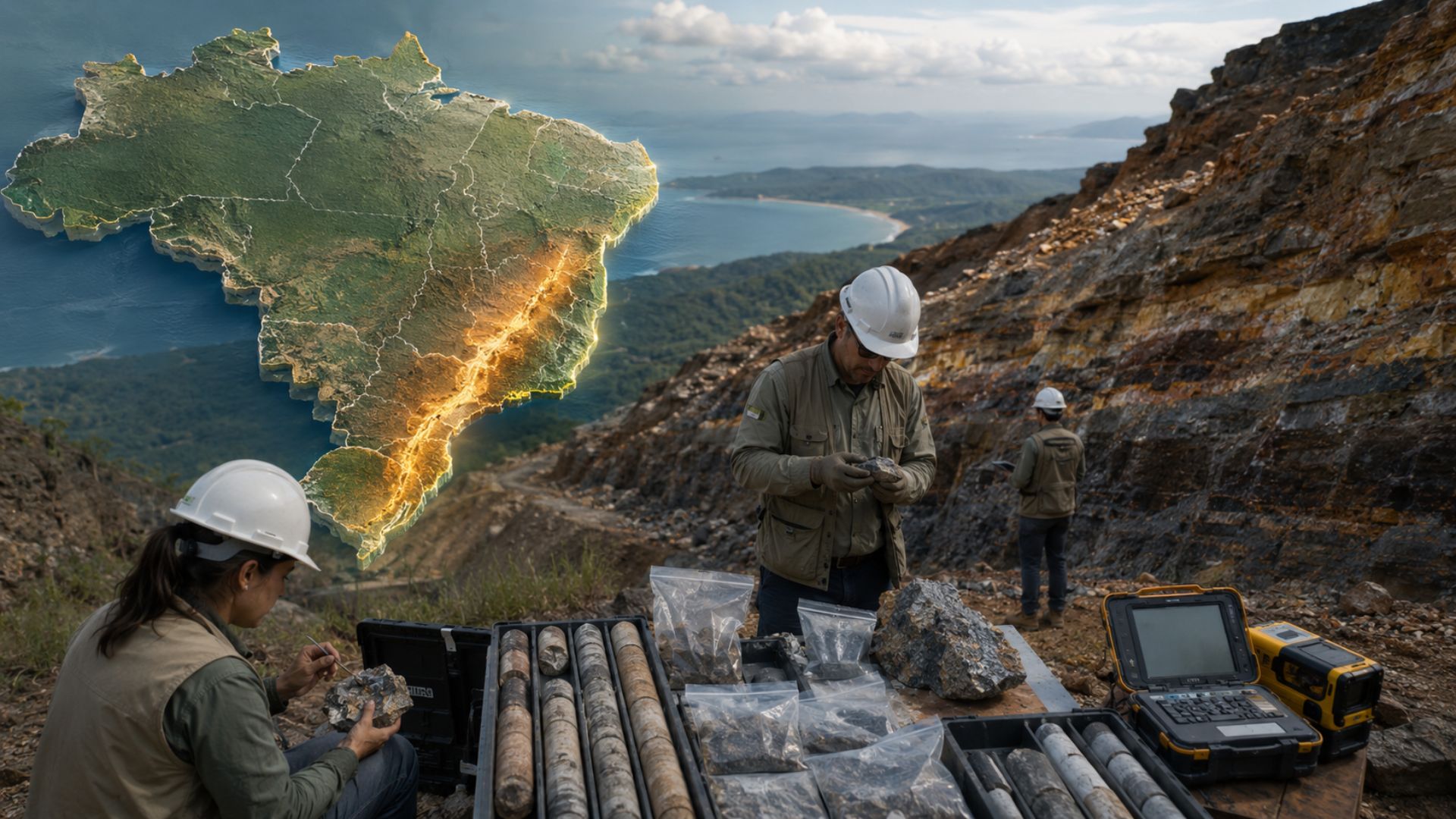
Brazil seeks to transform natural resources, energy, mining, oil, and gas into sustainable wealth with strong engineering, competitive industry, technology, productivity, and long-term planning.

-
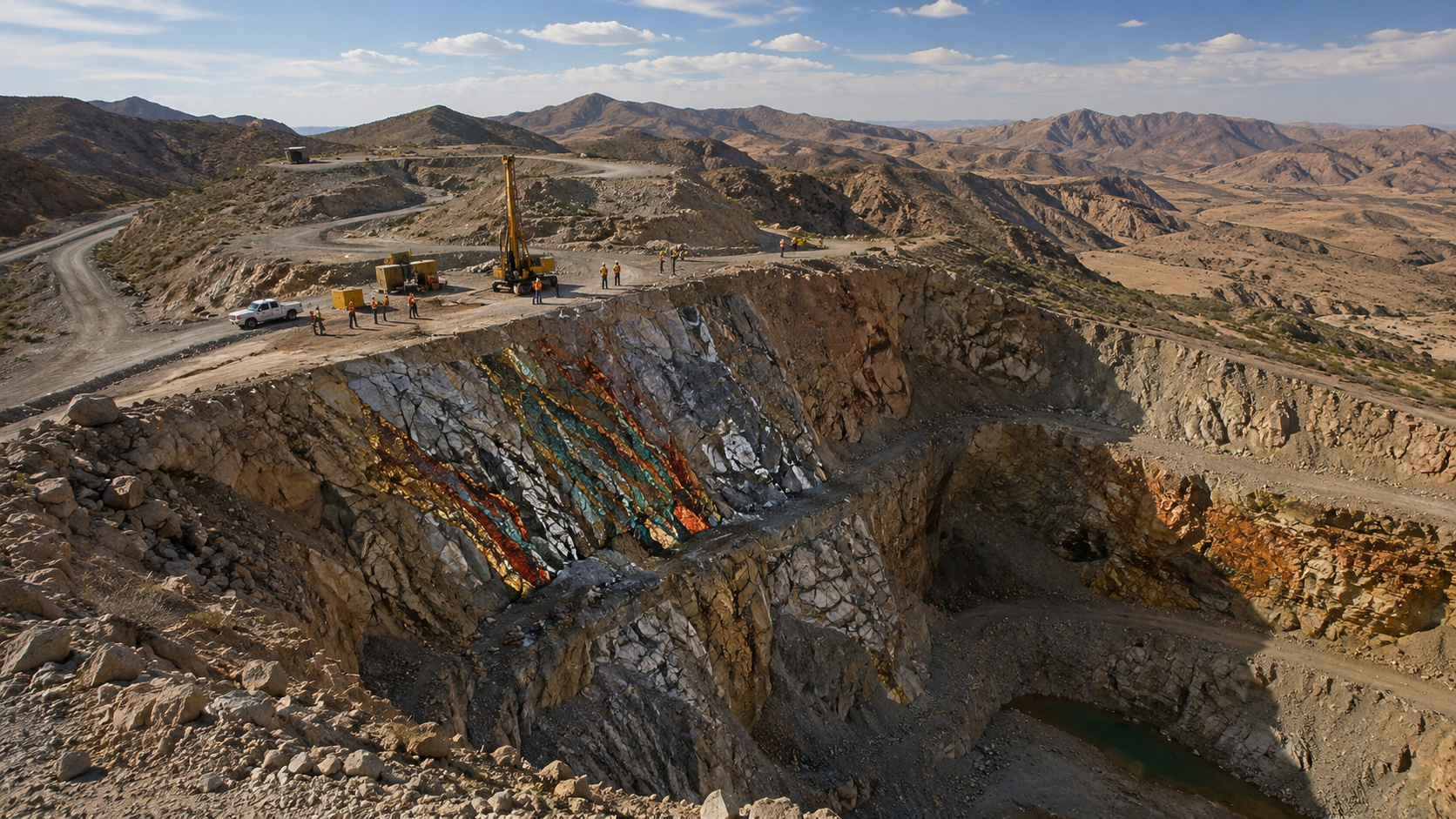
Gold, silver, and copper appear near the surface at Filo Sur, making mining companies look at San Juan as a new treasure map in the Andes.



Unlike point source metal mines, potash deposits extend horizontally over vast areas, which forces mining to follow the ore for kilometers, creating an underground environment that grows laterally like a flat city, rather than vertically like an inverted skyscraper.
Galleries Adding Up to Hundreds of Kilometers
Over decades of operation, each mining complex has accumulated hundreds of kilometers of excavated galleries, interconnected by main corridors, transport routes, technical areas, and ventilation points. Together, these galleries form an underground network whose extent rivals that of subway systems in major metropolises.
These tunnels are not simple passages. Many have widths and heights sufficient for heavy vehicles, continuous conveyor belts, and maintenance systems, functioning as genuine underground avenues through which ore, equipment, and workers circulate.
The “Room and Pillar” Method on an Extreme Scale
Most of these mines utilize the method known as room and pillar. In this system, large volumes of ore are removed, but massive pillars of rock are intentionally left intact to support the mine ceiling.
In the Russian deposits, these pillars reach colossal dimensions, with widths and lengths comparable to urban blocks. They are not improvised: each pillar is sized based on geotechnical calculations that take into account load weight, salt properties, material creep over time, and the risk of progressive deformation.
The result is an artificial underground landscape composed of:
- spacious halls,
- giant columns of intact rock,
- and a ceiling supported by a delicate balance between engineering and geology.
An Environment That Never Stops “Moving”
One of the greatest technical challenges of potash mining is that salt is not a rigid and static rock. It exhibits plastic behavior over time, undergoing slow deformations under constant pressure. This means that, even after being excavated, the galleries continue to move, compressing pillars and slowly closing the voids.
To manage this, the mines require:
- permanent geotechnical monitoring,
- continuous inspection of pillars,
- spot structural reinforcements,
- and progressive closure planning of old areas.
Without this control, the risk is not only local collapse but also chain failures, capable of affecting large underground areas.

Invisible Infrastructure: Ventilation, Transportation, and Drainage
Maintaining a mine of this scale operational requires infrastructure comparable to that of a small city. Forced ventilation systems span dozens of kilometers to ensure breathable air and temperature control. Drainage networks handle infiltrations and saline waters, while conveyor belts and underground locomotives move millions of tons of ore to extraction shafts.
All this is built underground, in an environment where any design failure becomes exponentially more dangerous than on the surface.
When the Underground Meets the Surface
Although invisible, these mines are not isolated from the world above. In rare but documented cases, underground collapses can cause subsidence on the surface, forming craters and compromising urban or industrial areas. These events reinforce the level of risk involved in maintaining such extensive underground structures.
Therefore, part of the engineering of these mines is dedicated not only to extraction but also to protecting the territory above, ensuring that cities, roads, and rivers are not affected by failures below ground.
Fertilizers That Support Global Agriculture
All this extreme engineering exists for a strategic reason: potash is one of the three pillars of modern fertilizers, alongside nitrogen and phosphorus. The Russian mines are among the largest global suppliers, and their production supports agricultural chains across various continents.
Thus, each excavated gallery, each pillar left standing, and each meter of rock removed are part of an invisible infrastructure that connects extreme underground engineering to global food security.
Underground Cities Designed Never to Be Seen
In the end, the potash mines of Russia represent a type of colossal construction rarely recognized as such. They are not bridges, dams, or skyscrapers, but technical underground cities, designed to exist out of human sight, withstand continuous pressures, and operate for decades in silence.
They are works where scale is not measured by visible height, but by hidden horizontal extension, the amount of rock displaced, and the permanent risk of operating hundreds of meters below the surface in an environment that never stops moving.








-

-

-

-

-

20 people reacted to this.