Portuguese
  Spanish


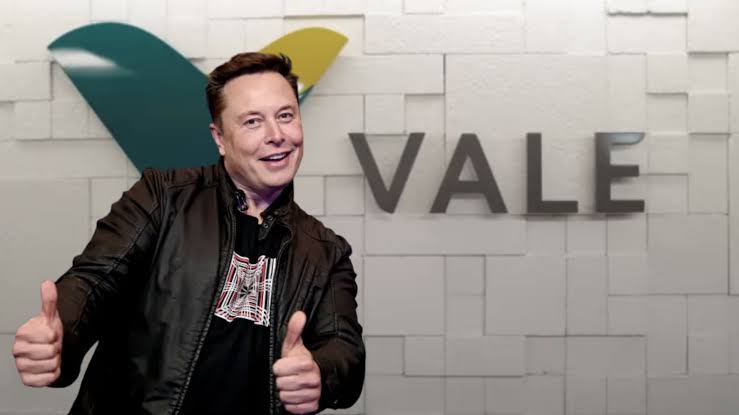

Vale and Elon Musk’s Tesla Confirmed Rumors About a Possible Partnership That Emerged Between the Companies in March, Officially Starting Negotiations. Vale Will Sell Nickel So That the Automaker Can Produce Batteries for Electric Cars on a Large Scale.
The news that Tesla and Vale closed a deal leaked at the end of March and, even though they couldn’t keep the agreement secret, they waited until last Friday (6) to announce that they signed a long-term contract. The goal behind the partnership was also confirmed, and Elon Musk’s automaker is seeking nickel, a transition metal used for the development of electric car batteries that Vale extracts in Canada.
Understand All the Details About the Partnership Between Vale and Tesla

According to Vale’s Executive Vice President of the Base Metals Division, Deshnee Naidoo, in a statement, the company is pleased to have Elon Musk’s Tesla, a leader in electric vehicle production, among its clients.
According to Vale, negotiations related to nickel are aligned with the strategy to expand exposure to the electric vehicle industry. The Brazilian company had previously stated that it sells 5% of its production to this segment and intends to expand that percentage to a range of 30% to 40%.
-
End of an era in Brazil: beloved sedan by Brazilians is discontinued despite having a 2.0 engine with 151 hp, CVT transmission, 466-liter trunk, and up to 650 km of range.

-
New Law Proposal in Brazil Could Heavily Penalize Drivers: Dangerous Overtaking May Become a Serious Offense with Fines Increased Tenfold and a 12-Month License Suspension; Update on 2026 Progress

-
Electric Revolution: Watts W125 Motorcycle Offers 160 km Range, 90 km/h Speed, and Affordable Price Starting at $3,000
-
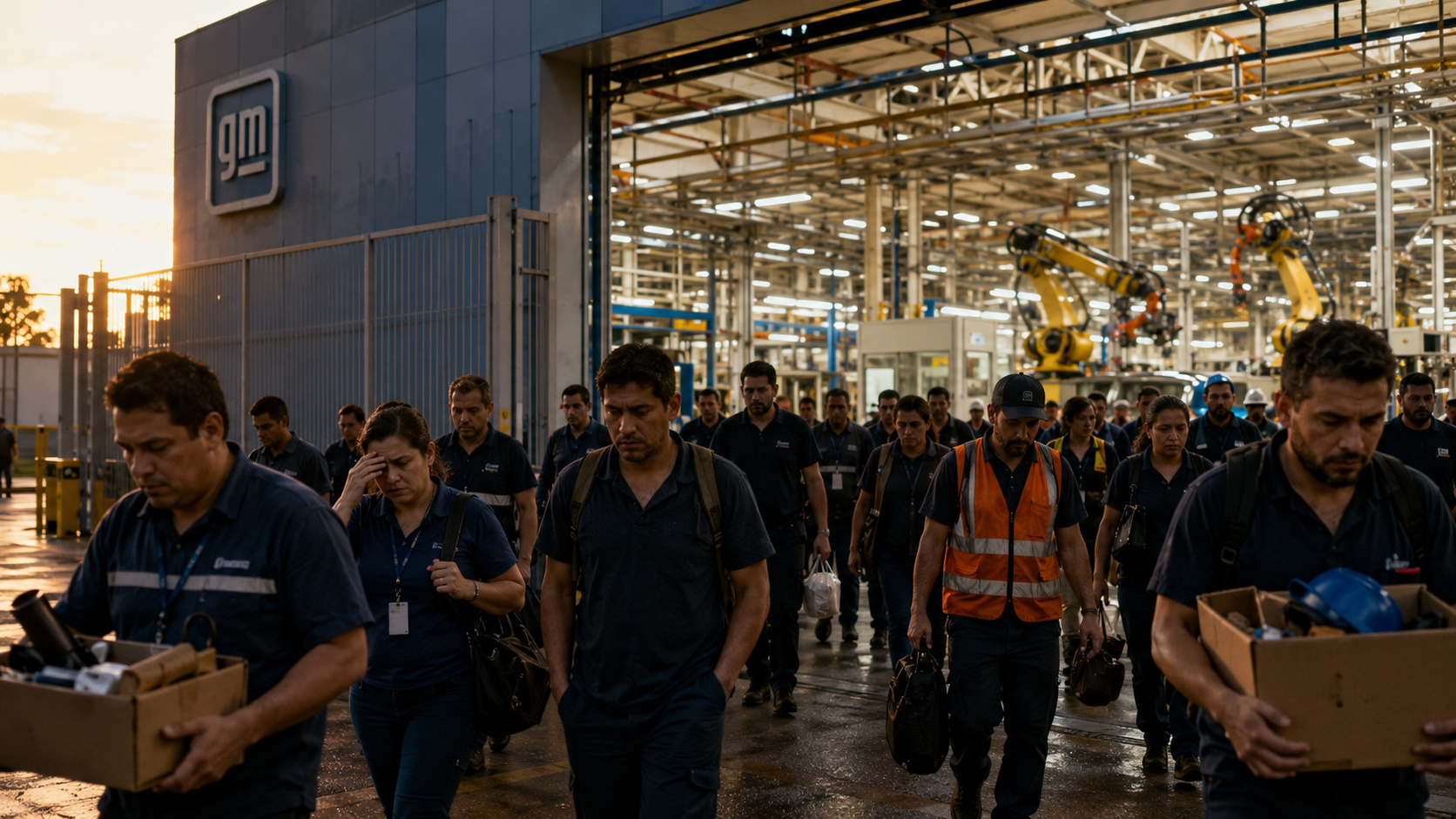
General Motors Replaces Over a Thousand Workers with 50 Cobots at Electric Vehicle Plant, UAW Union Criticizes Move Amid Industry’s Automation Push


The quality of the products delivered by Vale, which according to the company has some of the lowest pollutant emission levels in the world, attracts Elon Musk’s Tesla, which wants to produce electric car batteries with the extracted nickel.
According to Naidoo, the agreement between Vale and Tesla reflects a shared commitment to the environment and sustainability and clearly shows that the company is a preferred supplier for low-carbon, high-purity nickel products.
Tesla’s Nickel Needs to Boost the Electric Car Battery Market
The nickel mined by the Brazilian company is essential for the production of electric car batteries, which is the main sector of operation for Elon Musk’s company. The automaker still carries the ambitious goal of expanding its production by 50% this year and, to achieve that, will need more and more nickel.
In the first quarter of this year, the company delivered 310,048 vehicles, an increase compared to the last quarter of 2021, which was 308,600. However, production in the first quarter of this year fell by 433 units compared to the 4th quarter of last year, which was 305,640.
To secure the nickel needed to produce electric car batteries and consequently meet its goal, one of Elon Musk’s company’s main options would be to turn to China. Analysts interviewed by the Financial Times state that about 80% of the world’s nickel processing is done in the Asian country, and about 60% of the nickel mines in the world are Chinese-owned.
Elon Musk’s Strategy
Although much of the nickel processing comes from China, with the supply chain crisis affecting the vehicle industry, Elon Musk’s automaker had to opt for a different path.
The essential components for the operation of vehicles, semiconductors, are still in short supply, and prices for raw materials such as nickel and aluminum have increased after Russia invaded Ukraine in February.
To break this deadlock, Tesla has been putting efforts into the internal production of its products as well as diversifying suppliers, giving way to agreements with Vale.