Portuguese
  Spanish


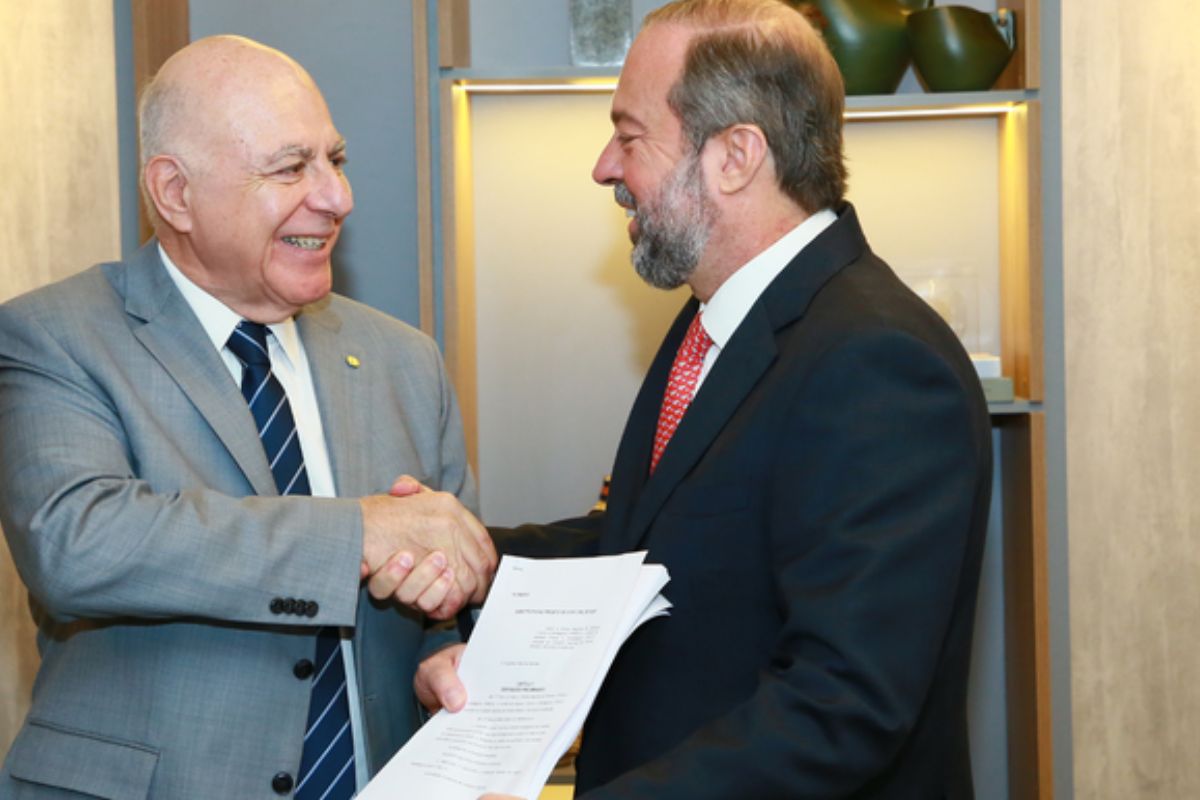

Minister Alexandre Silveira and Deputy Arnaldo Jardim Strengthen Governance of Critical Minerals, Driving Innovation, Sustainability, and Institutional Cooperation in Brazil’s Strategic Sector
Critical minerals are at the center of discussions about the future of the global economy, according to a report published.
This Wednesday, October 29, the Minister of Mines and Energy, Alexandre Silveira, received Deputy Arnaldo Jardim, rapporteur of the Bill 2780/2024, which establishes the National Policy for Critical and Strategic Minerals (PNMCE).
The meeting symbolizes a decisive step in the integration between the Executive and Legislative branches, reinforcing mineral governance and Brazil’s role as a global reference in this sector.
-
China could reduce iron ore imports from 80% to 50% of consumption by 2030, while its share in global steel production falls from 52% to 46%, in a shift that could reshape the global market, says CMRG.

-
Brazil is sitting on one of the largest lithium reserves in the world, in the Jequitinhonha Valley, but national mining has almost become an appendage of China: 97% of the metal’s export goes to a single country, which also dominates refining.
-
Iron ore falls to 762 yuan in China as real estate sales decline and steel production hits lowest level since 2018
-
Brazil has minerals, clean energy, and a waiting market, but it could miss a billion-dollar opportunity if it doesn’t speed up the race for green minerals, while the steel industry seeks to reduce emissions.


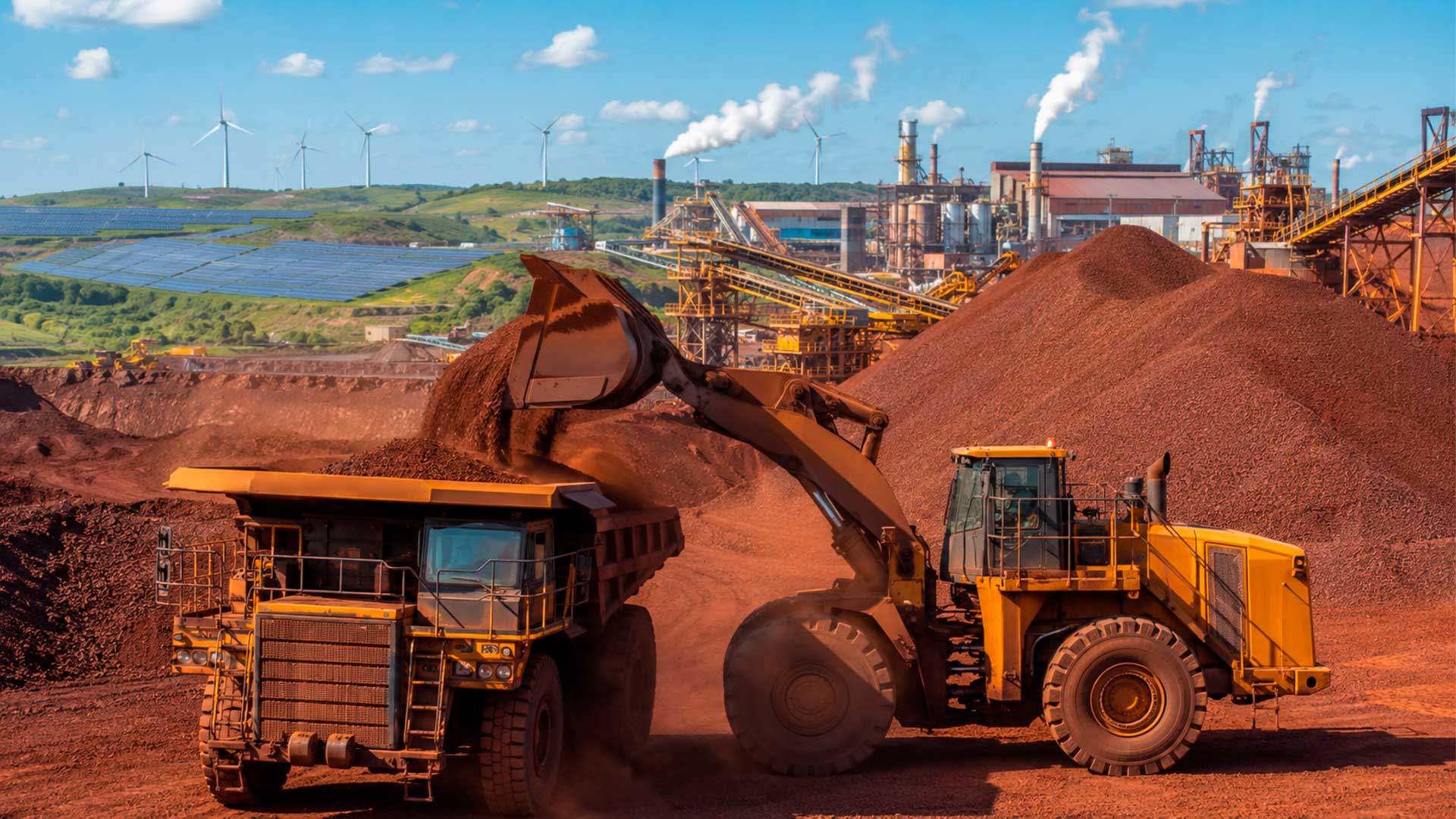
The agenda covered topics such as sustainability, technological innovation, energy security, and strengthening the production chain, aspects that consolidate the country as a protagonist in the new green economy.
Mineral Governance and Sustainability Strengthen Brazil’s Strategic Role
The cooperation between Silveira and Jardim represents a concrete advancement in the structuring of the National Council of Mineral Policy, an essential body for defining guidelines, goals, and instruments to promote governance of critical minerals.
The minister highlighted that Brazil has a clean energy matrix and geological reserves capable of sustaining the sustainable development of mining, without compromising environmental balance.
The focus is on creating policies that integrate sustainability and innovation, stimulating participation from the private sector and state and municipal spheres.
This integrated governance seeks to enhance regulatory predictability, essential for attracting investments and strengthening the country’s role in the global energy transition.
According to Silveira, “minerals belong to Brazilians and should generate development, income, and quality of life.”
Technological Innovation and Energy Security in the Context of Critical Minerals
The PNMCE proposal also includes technological and financial incentive instruments to strengthen the production chain and enhance energy security.
The creation of the Council of Critical and Strategic Minerals (CMCE) aims to monitor the implementation of public policies and formulate international partnerships.
Deputy Arnaldo Jardim highlighted the importance of adding value on national territory, reducing dependency on imports and boosting industrial competitiveness.
For him, technological advancement in areas such as artificial intelligence and data centers directly depends on the strategic use of critical minerals.
This integration aims to transform Brazil into a global hub of mineral and energy innovation, aligned with the environmental and productive demands of the 21st century.
Institutional Cooperation and Attraction of Sustainable Investments
The articulation between the Executive and Legislative branches consolidates an agenda focused on legal predictability, governance, and sustainability.
The PNMCE report should present a short- and medium-term schedule for mining, beneficiation, and the industrialization of critical minerals, promoting a stable and modern policy.
With this alignment, the Ministry of Mines and Energy advances in creating a conducive environment for sustainable investments and innovation.
The expectation is that Brazil will strengthen its presence in global value chains, ensuring energy and technological security.
The plan reinforces the strategic role of mining in the green transition and in the industrial development of the country.