






 Portuguese
  Spanish
  3 min of reading
  0 comments


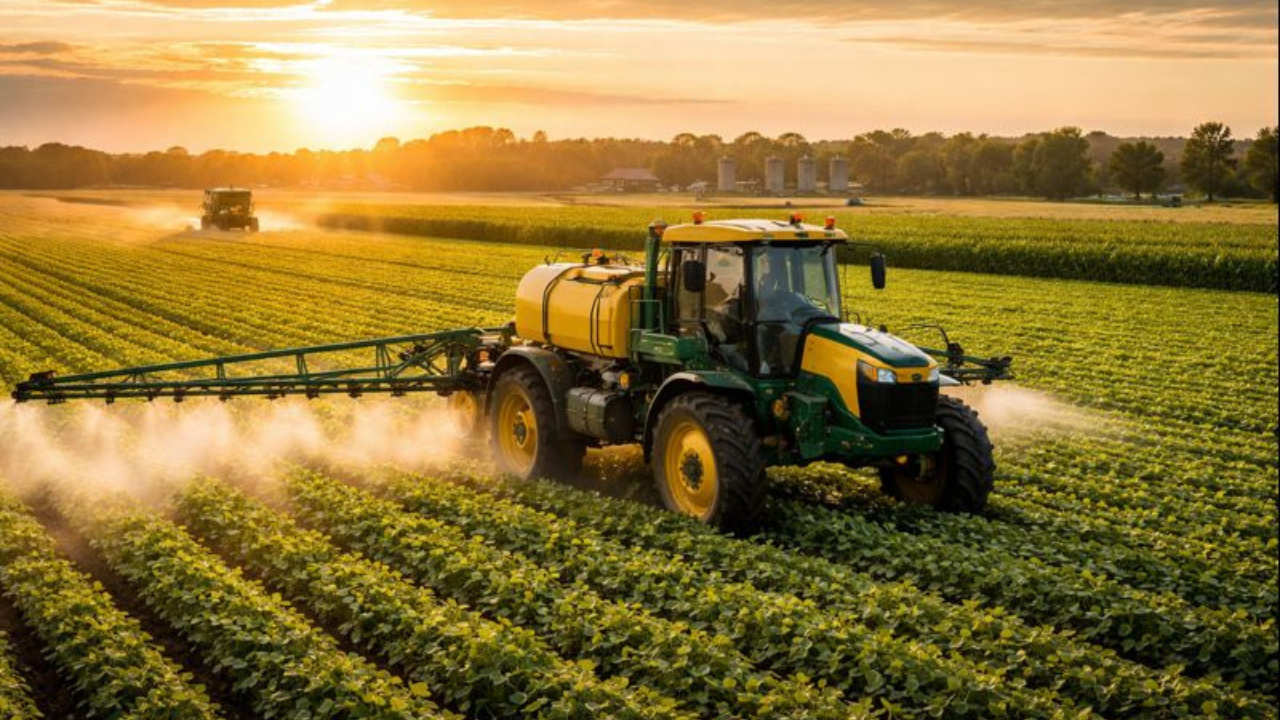
Pesticide Registration Advances with Release of 122 Products by the Ministry of Agriculture. See the Impacts in the Field.
The Ministry of Agriculture approved, this Monday (29), the registration of pesticides that releases 122 new end-use products for crops, in addition to 40 technical products and pre-mixes, expanding the portfolio of pesticides available for Brazilian agriculture.
The government officially published the measure through acts published in the Federal Official Gazette, aiming to increase the supply of agricultural inputs and bolster the competitiveness of the productive sector in the country.
The Coordination of Pesticides and Affiliated Products of the Agricultural Defense Secretariat disclosed the authorization and included substances widely used in the field, such as glyphosate, in addition to other essential molecules for pest, weed, and agricultural disease control.
-
Low-Demand Brazilian Beef Offal Gains Popularity Abroad: Indonesia Purchases $19.5 Million, Boosting Revenue and Reducing Waste

-
Soy Expansion in Former Brazilian Savanna Sparks Water and Land Conflicts in Major Agricultural Frontier
-
Mexican Pest Threatens U.S. Cattle Herds at Historic Lows, Potentially Boosting Brazilian Beef Exports as Burger Prices Soar

-
Avocado Boom for European and U.S. Markets Fuels Water Crisis in Drought-Stricken Chilean Region


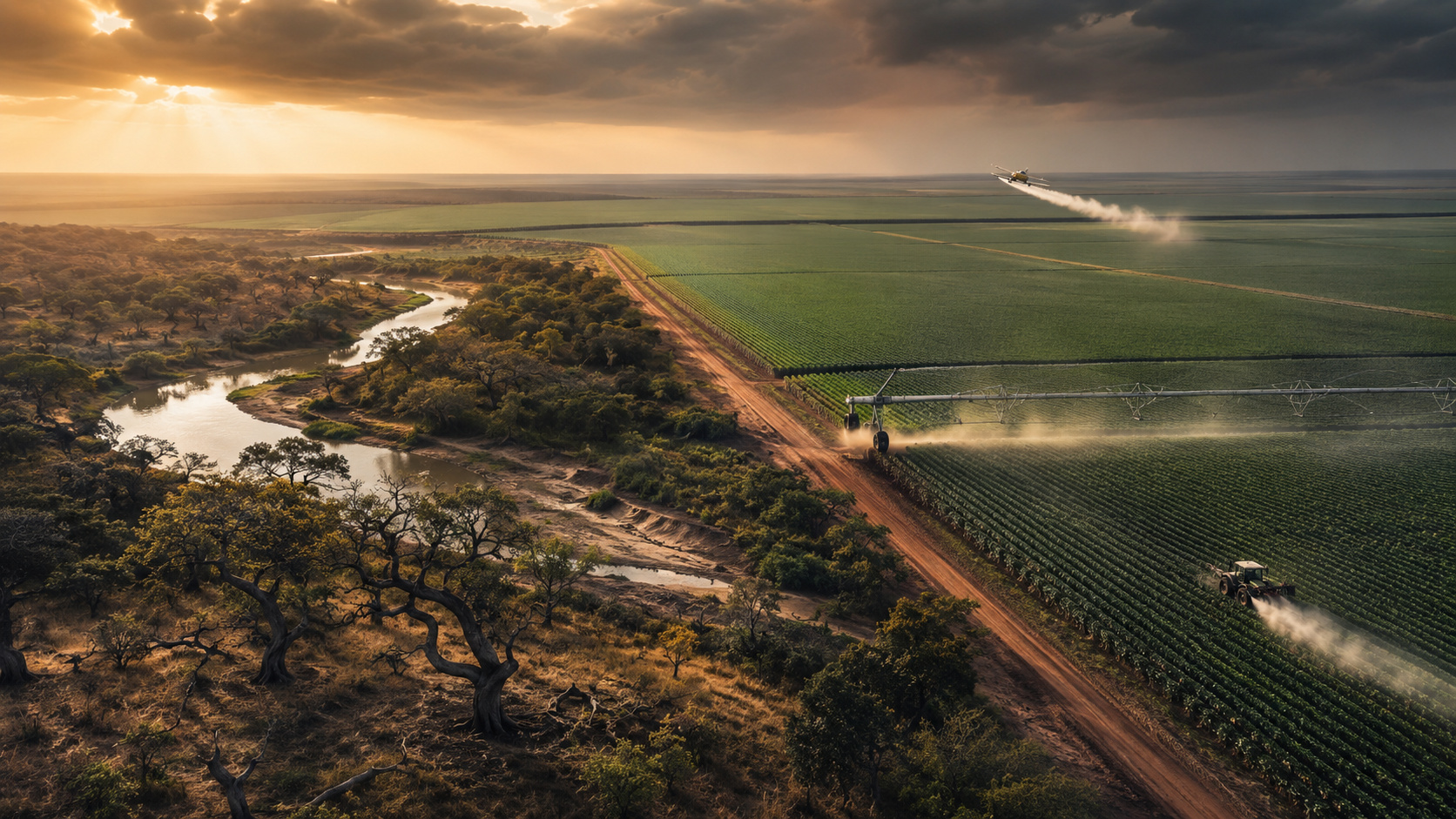


According to the published acts, the release follows the technical and regulatory criteria in force in Brazil.
Pesticide Registration Expands Options for Farmers
Of the total pesticides released, nine products contain glyphosate in their composition, one of the most widely used substances in agricultural management in the country.
In addition, six registrations involve the chemical component 2,4-D, another six include dicamba, and four utilize glufosinate, all molecules widely employed in Brazilian agriculture.
These products fall under the category of end-use pesticides, meaning they arrive ready for direct application in the fields.
Thus, farmers will have more commercial alternatives for managing strategic crops, such as soybeans, corn, cotton, and sugarcane.
Meanwhile, sector experts assess that expanding pesticide registration could increase competition among manufacturers.
This is likely to positively impact the prices and availability of these inputs in the market.
Glyphosate Remains One of the Most Present Molecules
Among the authorized substances, glyphosate continues to hold a prominent position.
Producers widely use the compound to control weeds and consider it essential for the current production model of Brazilian agriculture, especially in direct planting systems.
On the other hand, the use of glyphosate remains at the center of technical, environmental, and regulatory debates.
Despite this, the Ministry of Agriculture emphasizes that technical teams rigorously evaluate all products based on agronomic, toxicological, and environmental criteria before granting approval for commercialization.
Technical Products Open the Way for New Pesticides
In addition to end-use products, the government also approved the registration of 40 technical products and pre-mixes.
These inputs are not applied directly to the fields; companies use them as a basis to formulate and register new pesticides in the future.
In practice, this means that companies in the sector will have more possibilities to develop and register new agricultural pesticides, expanding the portfolio available in the national market.
Therefore, the decision is likely to generate medium and long-term impacts on the production chain.
Impacts on Brazilian Agriculture and the Productive Sector
The expansion of pesticide registration occurs at a strategic moment for Brazilian agriculture, which faces challenges related to productivity, production costs, and international competitiveness.
With more options available, producers can better adjust agricultural management to the characteristics of each region and crop.
Moreover, the Ministry of Agriculture argues that diversifying products helps prevent pest and weed resistance,
a recurring problem when there is excessive dependence on a few molecules.
Inspection and Criteria Remain Unchanged, Says Ministry
Despite the increase in registrations, the government states that the criteria for inspection and control remain unchanged.
According to the ministry, only products that meet the legal and technical requirements can obtain approval.
Thus, the registration of pesticides continues to be conditioned on detailed analyses, ensuring that the authorized pesticides align with Brazilian safety and agricultural use standards.
With this, the new round of registrations reinforces the role of the Ministry of Agriculture in regulating the sector and highlights the strategic importance of pesticides, glyphosate, and other molecules for the performance of Brazilian agriculture,
especially in a scenario of high global demand for food and agricultural commodities.





-

-

-

-

8 people reacted to this.