Portuguese
  Spanish



Carlos Fávaro, Current Minister of Agriculture, Livestock and Supply, Exposes That Petrobras Should Resume the Construction of UFN-3 and Other Fertilizer Factories. However, Who Partially Agrees With This Idea is Simone Tebet, Minister of Planning and Budget of Brazil.
According to the Minister of Agriculture, Livestock and Supply, Carlos Fávaro, Petrobras should resume the construction of three nitrogen factories, extremely important fertilizers for the Brazilian agribusiness . He stated he intends to go down in history as the minister who helped in the process of making agriculture sustainable in Brazil. However, the current Minister of Planning of Lula’s Government, Simone Tebet, has a slightly contrary opinion to Fávaro’s. But the decision will be made after the change in Petrobras’s presidency.
Attempts to Sell One of the Fertilizer Factories
“Three have been initiated. The proposal is to structure, see what is needed to finish, and they return to being ready to supply nitrogen. We want to invest in technology, in the search for phosphates, with a little in Brazil, and also potassium chloride. There is a national fertilizer plan that we will continue. President Lula has already instructed my colleague, the Minister of Mines and Energy (Alexandre Silveira), that one of the programs Petrobras must participate in is the continuation of nitrogen production plants that had already been started and were paralyzed, the three that will return,” reported Carlos Fávaro.
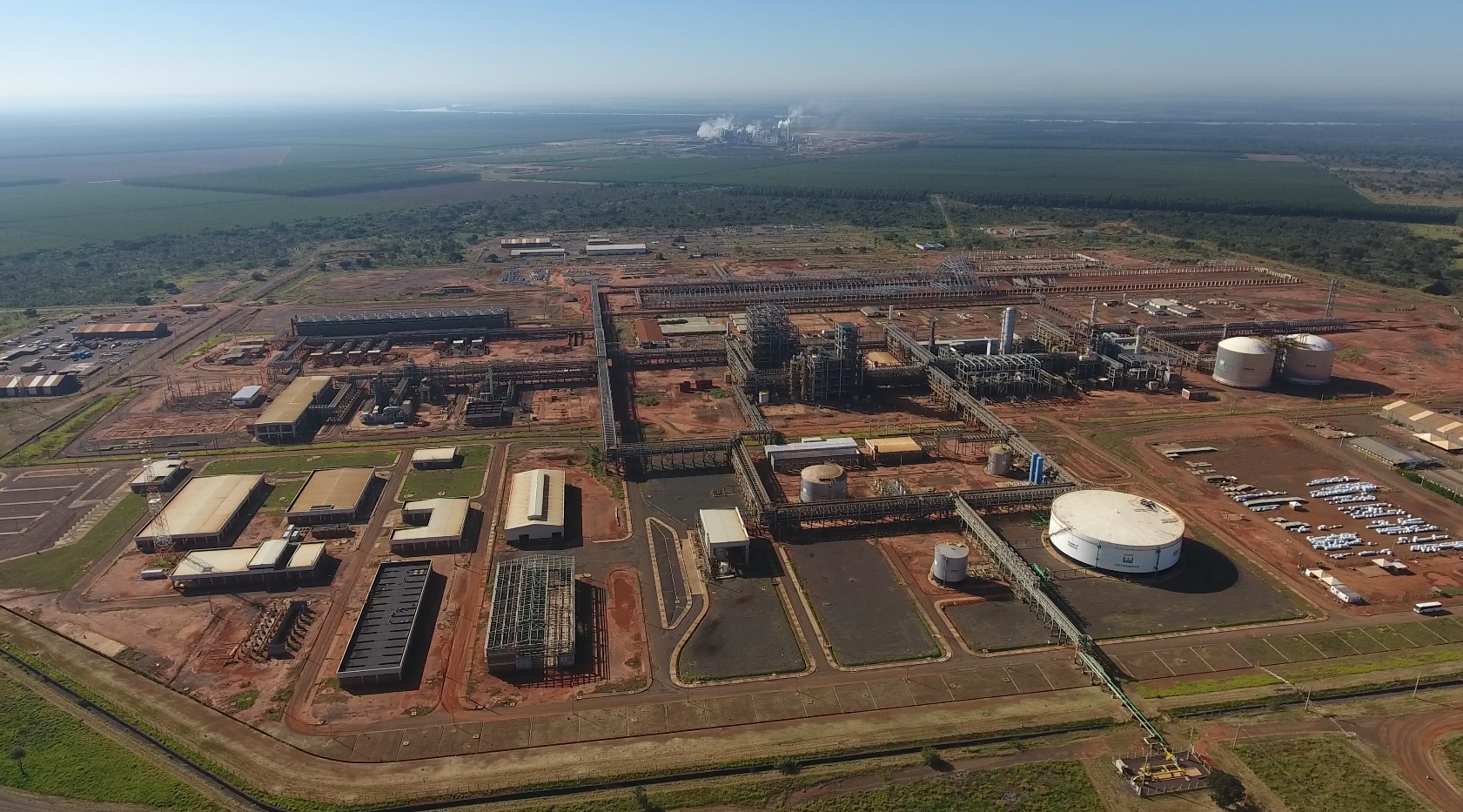
One of the factories is the Nitrogen Fertilizers Unit, UFN-3, located in Três Lagoas (MS), where construction has been halted since December 2014.
-
While modern cities rely on pumps and electricity, in Iran, ancient tunnels carried water through the desert using only slope and gravity.
-
Instead of sending families far from the city, a project in Chile intentionally created incomplete houses on expensive urban land and left technical space for each to grow.

-
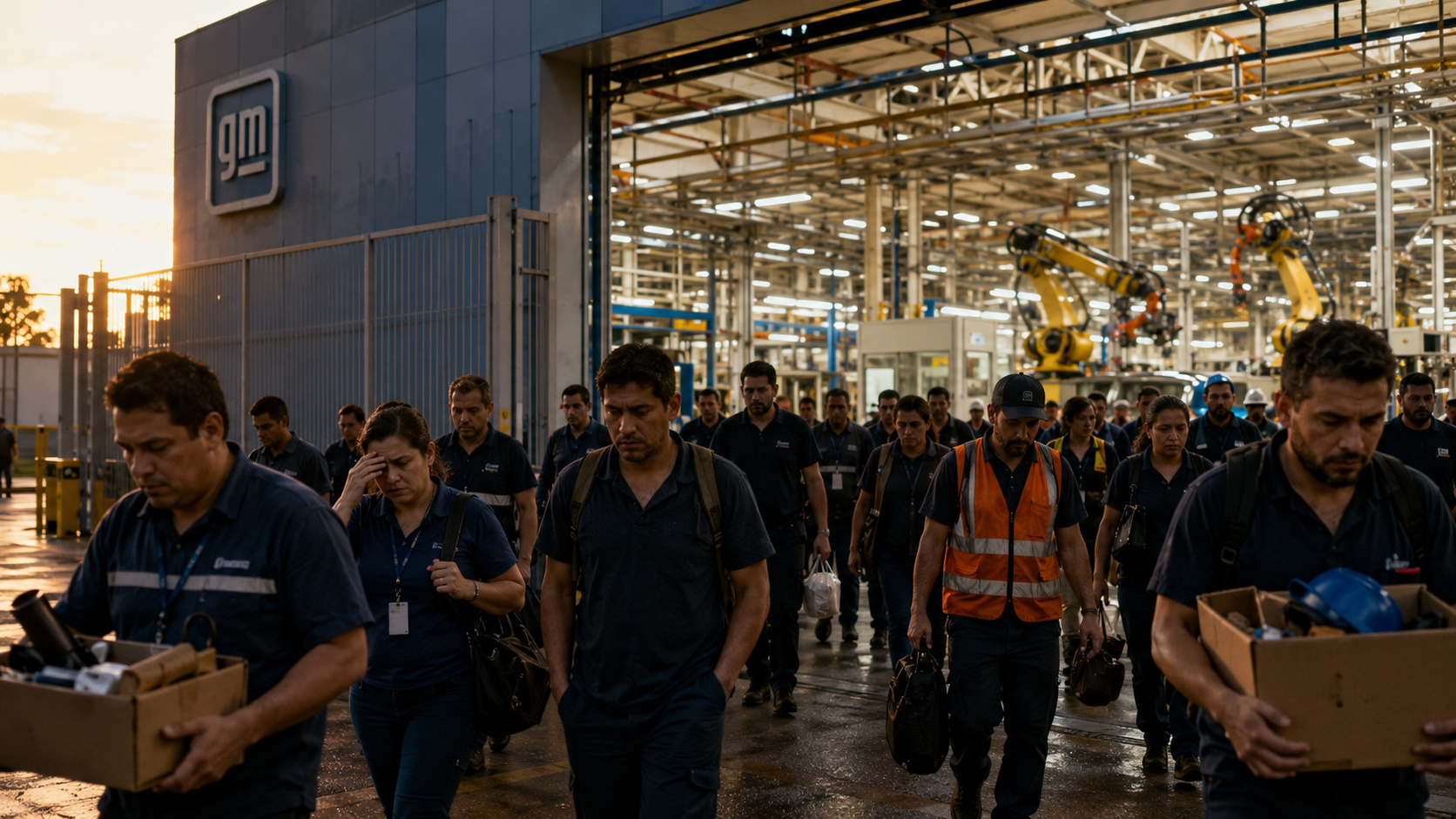
General Motors Replaces Over a Thousand Workers with 50 Cobots at Electric Vehicle Plant, UAW Union Criticizes Move Amid Industry’s Automation Push
-
Havaianas: From Humble Beginnings to a $900 Million Global Fashion Icon

The works related to UFN-3, which were 81% advanced, began in 2011. However, the contract with the consortium was terminated by Petrobras in 2017, where it reported no interest in continuing in fertilizers. Thus, the unit was put up for sale along with another factory located in Paraná.
In 2020, two more units were leased, one located in Bahia and another in Sergipe, to the Unigel group, after activities at the site ceased.
In 2022, the process of selling UFN-3 was resumed after several attempts, but there was no success in the sale.
In a statement, the state-owned company reported that the business plan proposed by Acron Group, a producer of Russian mineral fertilizers, which was to create a mixer in the UFN-3 structure, did not meet the established requirements, where the main transition requirement was to complete the construction works.
Another company that was investigating the possibility of purchase was Yara Fertilizantes, a Norwegian chemical company that produces, distributes, and sells fertilizers.
It was also negotiating the purchase of another unit located in Paraná but decided to discontinue the purchase process.
Carlos Fávaro and Simone Tebet: Who is Right About Resuming UFN-3 Construction By Petrobras
According to the new Minister, the plan is for the state to resume the factories. “We live in a globalized world, and with the pandemic and then the war in Ukraine, we saw the fragilities of this globalized world. This happened with fuels, the price of oil skyrocketed, we saw the fragilities. We saw the national insecurity of not having fertilizers. Fertilizers must be treated; we discovered this, almost as food security, national security, because there is no food without fertilizers.”
Simone Tebet, the current Minister of Planning and Budget of Brazil, was previously the mayor of Três Lagoas and is well aware of the unit’s history, highlighting its importance.
“This is a strategic factory for the federal government and for Brazil because it alone has the capacity to double the production of nitrogen fertilizers. Brazil is increasingly dependent on fertilizers worldwide,” says the minister.
However, she stated that the future of UFN-3 is unclear and will only become clearer after February, when the change in Petrobras’s presidency is expected to occur.