Portuguese
  Spanish



The Minister of Infrastructure, Tarcísio Gomes de Freitas, Presents This Thursday (10) His Investment Plan and Sustainability Policy for the Renewable Energy Sector
The Minister of Infrastructure, Tarcísio Gomes de Freitas, presented this past Thursday (10) his new investment plan and sustainability policy aimed at the energy sector. Tarcísio Gomes de Freitas spoke during a lecture at the Brazil Energy event, a renewable energy congress taking place in São Paulo.
Read Also
Investment Plan of Minister Tarcísio Gomes de Freitas
During his speech at the renewable energy conference, the Minister of Infrastructure reported on the analysis of the energy sector situation and the various niches emerging in the market.
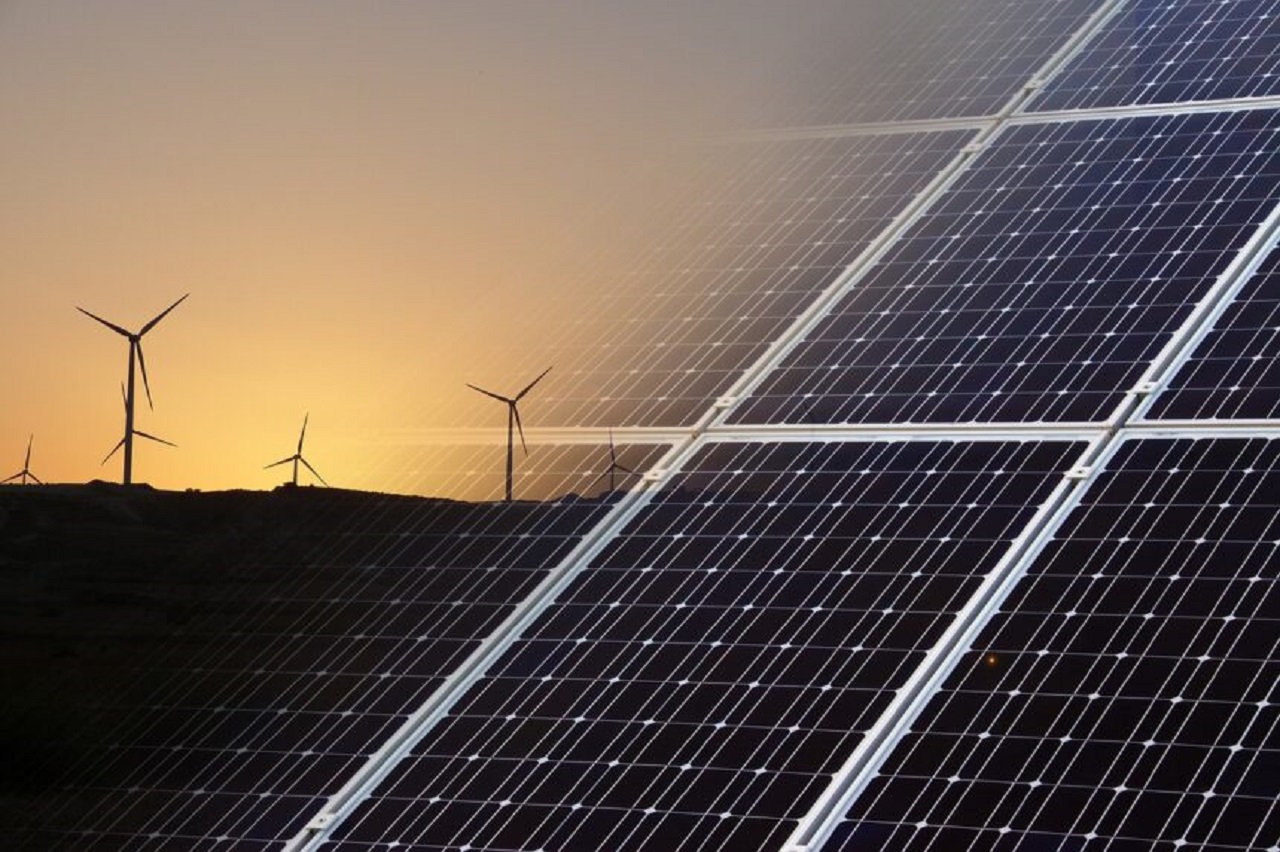
These niches are being created from the significant advancement of clean energy generation technologies, such as wind and solar power. Last Wednesday, Absolar (Brazilian Association of Photovoltaic Solar Energy) announced that the well-known distributed generation – consumers responsible for their own renewable energy generation system, such as solar panels installed on the roofs of homes and small businesses – has reached the mark of 9 GW of installed capacity, which is equivalent to two-thirds of the total capacity of the Itaipu Hydroelectric Plant, the largest ever built in Brazil.
-
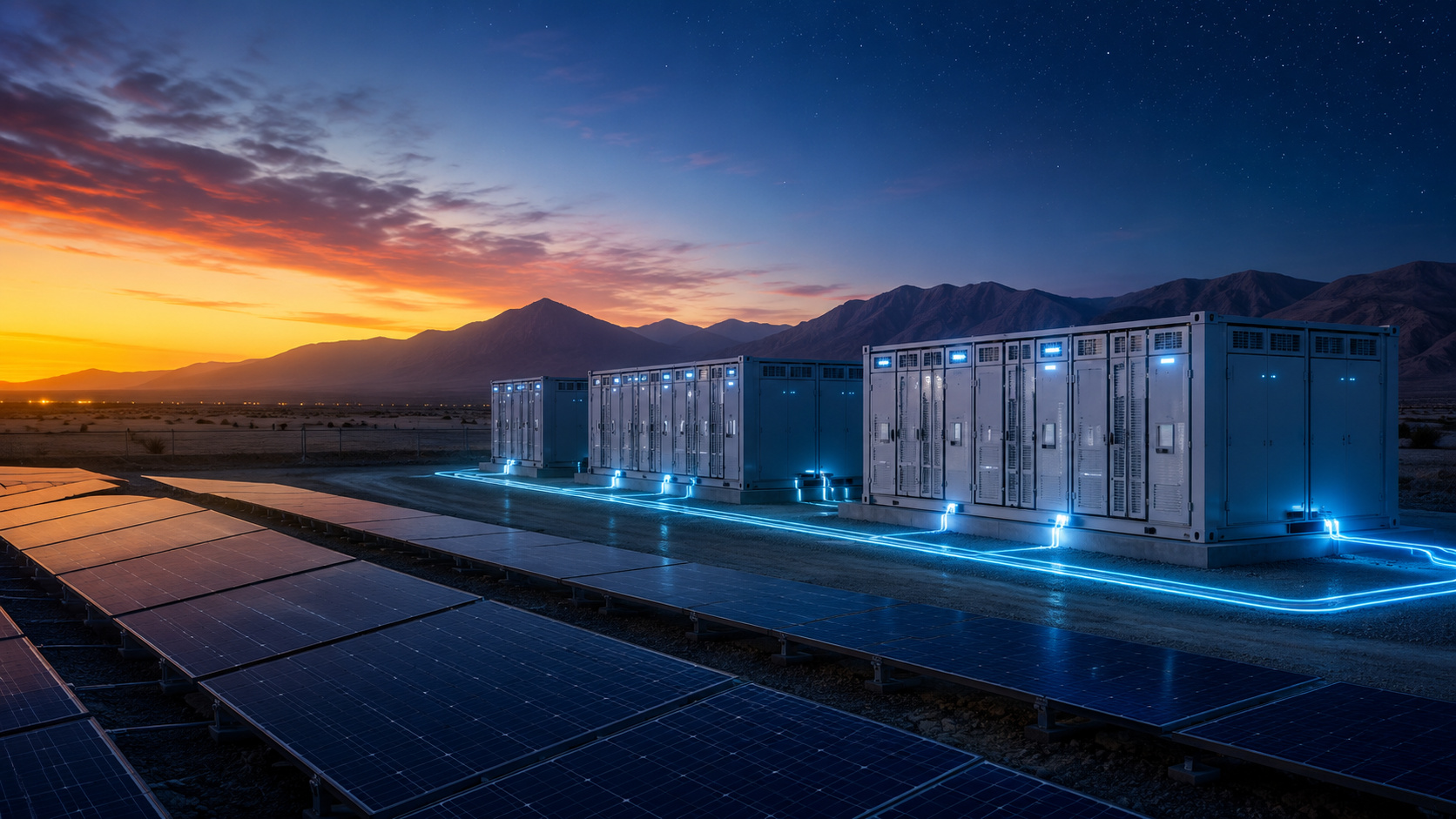
Giant Batteries Take Center Stage in Chile Auction as Company Offers 960 GWh of Solar Energy for Nighttime Use, Aiming to Stabilize Solar Power Supply

-
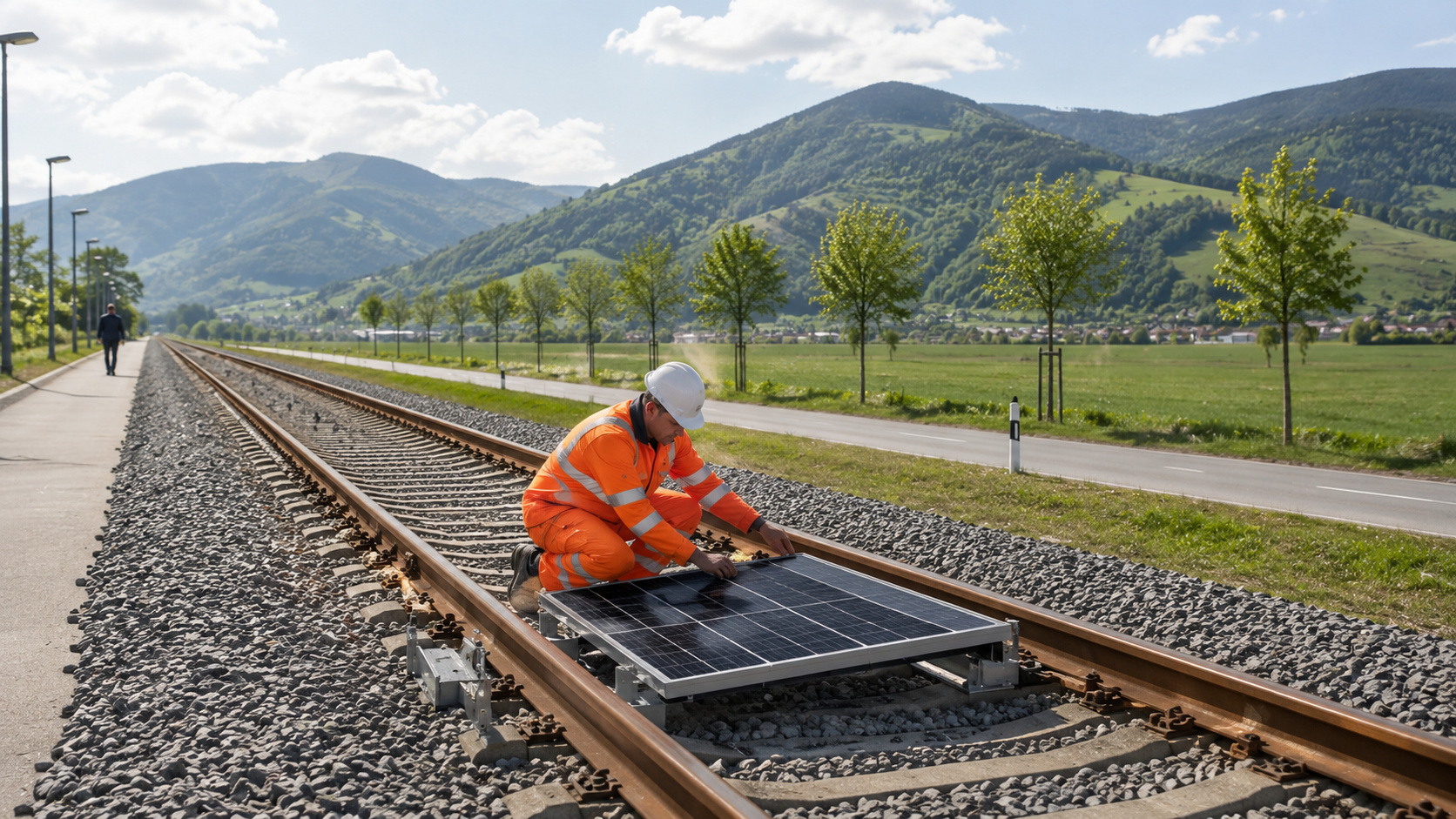
After a Year of Success in Switzerland, Solar Railway Attracts Italy’s Interest for Clean Energy Transformation
-
Brazil to Issue “Panda Bonds” in China, Aiming to Raise Up to 5 Billion Yuan at Lower Interest Rates Than Dollar Debt
-
NATO Faces Internal Tensions as U.S. Pushes for Increased Defense Spending, Targeting 5% of GDP by 2035, with Warnings for Countries Near 2% Level

Currently, there are more than 800,000 photovoltaic systems properly connected to the grid. Small business consumers are responsible for 90% of the total installed. In terms of total capacity, the consumer group represents about 80%. Residential, industrial, and governmental consumers complete the group of users of this technology.
Investments in the Renewable Energy Sector
According to data from Absolar, since 2012 investments have totaled 48 billion reais in the energy sector, generating more than 270,000 jobs across the country. This technology is currently distributed across about 5,500 Brazilian municipalities.
According to statements from the chairman of the board of directors of Absolar, Ronaldo Koloszuk, solar energy has been one of the main contributors to reducing Brazilian electricity bills, especially due to the significant reduction in the use of fossil thermal power plants, which are more expensive and much more polluting, as well as being the main drivers of tariff flags that make the electricity bill much higher.
Renewable Energy is a Solution for the Brazilian Energy Matrix
With the analysis made by Minister Tarcísio Gomes de Freitas and the sum of installed capacities at large plants and self-generation (distributed generation) of solar energy, it is possible to say that solar energy currently occupies the fifth position within the Brazilian energy matrix.
The solar energy source has already surpassed the installed capacity of oil-powered thermal power plants and other types of fossil-fuel-powered facilities, which currently produce about 9.1 GW of Brazil’s energy matrix.
From January to April last year, about 4 million RECs were traded in Brazil, the same volume sold throughout the previous year. The expectation is that 10 million certificates will be issued in 2021, a 300% increase compared to 2019, and 150% compared to 2020. The price of these environmental assets ranges from 2 to 5 reais, depending on the plant from which they originated. The transaction is made directly between seller and buyer.