






 Portuguese
  Spanish




Cult Japanese Minivan Rises Again As A Desired Rarity. Toyota Previa Delivers V6 Engine, 7 Seats, Executive Comfort, And History. Discover The Forgotten “VIP Transport” And Why It’s Back On The Radar Of Enthusiasts.
The Toyota Previa is the type of vehicle that, when it appears on the street, makes enthusiasts turn their heads. A model that defined the 90s as the ultimate symbol of family comfort and executive transportation, it vanished for a time, became a collector’s item, and now resurfaces as a desired cult rarity for those who understand cars. With a V6 engine, space for 7 occupants, and a proposition that blended luxury, technology, and robust Toyota reliability, the Previa won over businesspeople, high-end families, and even premium hotel and tourism services in major capitals.
Those who lived through that era remember: traveling in a Toyota Previa was like being in an executive lounge on wheels, with refined finishing, a quiet ride, individual seats, and the feeling of being in something years ahead of its time. Today, it returns to the spotlight as a unique alternative for those seeking historical value, extreme comfort, and exclusivity in their garage.
Daring Design And Unconventional Technology
To understand why the Previa became legendary, it’s worth highlighting its uncommon architecture. Unlike traditional minivans, it followed a nearly futuristic concept: a mid-engine layout beneath the front floor, with rear-wheel drive or AWD in some versions.
-
Iconic Orange Double-Decker Bus, a Dutch Fan Favorite for Over 20 Years, Arrives in Texas for the World Cup After Touring Brazil, England, Qatar, and More

-
$100 Million Hypercar Collection, Including Ferrari LaFerrari and McLaren Speedtail, Found Abandoned at Los Angeles Airport
-
Hyundai ix35 2019: A Forgotten SUV with 2.0 Engine and 650 km Range Costs Less Than a New Kwid in Brazil
-
Harley-Davidson Enters Urban Electric Era with LiveWire S4 Honcho Minibikes: Lightweight, Affordable, 85 km Range, Priced Around $5,000



The well-distributed weight helped with stability and comfort, and Toyota achieved an almost perfect balance between the drivability of a large sedan and the space of a luxury van.


Under the hood, or rather, under the floor – was the heart: a 3.0-liter V6 engine in the second generation (in markets like the US and Japan), known for its smoothness and durability, along with the traditional 2.4 in the earlier configurations. The proposal was clear: to offer power and silence, ensuring long and effortless trips.
And it succeeded. Those who drove it remembered. Those who rode in it wanted.
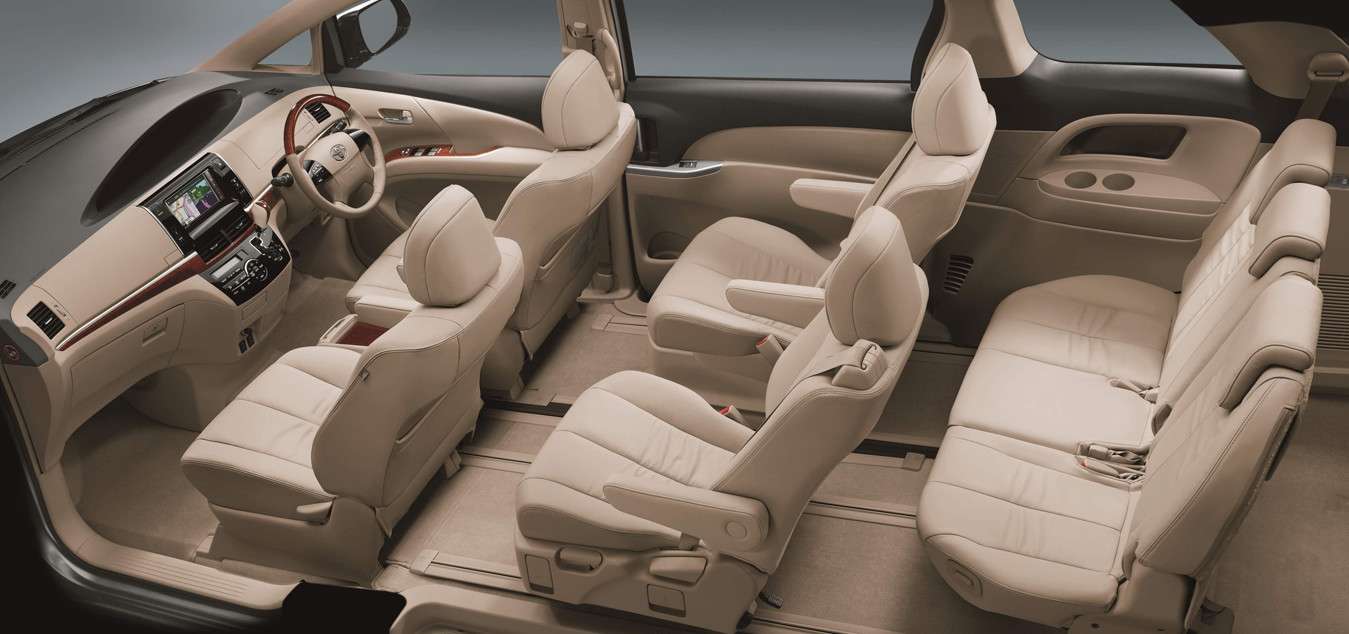
Real 7 Seats And A “Business Class” Cabin
The Previa was designed for those who wanted executive airplane-style accommodation within a car. No squeezing three people in the middle row or hard seats for the third row; it had an intelligent configuration:
- Real 7 Seats
- Comfortable Individual Seats
- Versions With Rotating Consoles And Swivel Seats
- Rear Row Allowing Multiple Configurations
- Sliding Side Door For Convenient Access
It was an environment that invited comfort. Leather seats, efficient air conditioning, acoustic insulation, and soft suspension provided a ride quality worthy of the best luxury sedans of the time.
Not surprisingly, it became a choice for executives, diplomats, artists, and premium transport services between hotels and airports.
An Icon That Aged Well And Became A Rarity
The Toyota Previa did not have a long life in Brazil, which explains its rarity today. The few examples that entered the country have been well cared for over the years; after all, those who bought this model had a demanding profile for maintenance and preservation.
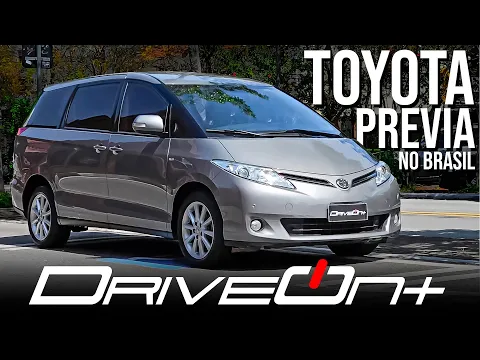
Around the world, the Previa, known as Estima in some markets – continued to evolve and gained even more luxury features in Japan, including versions with:
- All-Wheel Drive
- 3.5 V6 from the 2GR-FE Family (same as Lexus and Camry V6)
- Modern Panels And Premium Finishes
- VIP Configurations With Executive Chair-Type Seats
It’s not an exaggeration to say: the Previa has become a collector’s item. When one comes up for sale, it becomes a competitive bid among enthusiasts.
And Why Is It Back On The Radar Now?
Simple: the automotive market has changed. SUVs dominate, but they have lost some of the total comfort essence. Family cars have become smaller or more expensive, and truly spacious models have disappeared. Nostalgia has grown. And, with it, vehicles with a different history and purpose have started to attract attention again.
The Previa represents all of this: real space, creative engineering, pure comfort, and exclusivity. There is nothing else like it.
Is It Worth Looking For One?
For those who understand what they are buying, yes. It is not an easy car to maintain, not because of Toyota’s robust mechanics, but due to the availability of parts and the necessary care for an imported vehicle with an uncommon design.
It’s a car for those who know how to scout, for those who see value where the common market does not.
But those who find a good example and take care of it gain something that few people have: a luxury minivan with soul, presence, and history. A true VIP transport lost in time and rescued by those who value comfort and rarity over trends.


