Portuguese
  Spanish


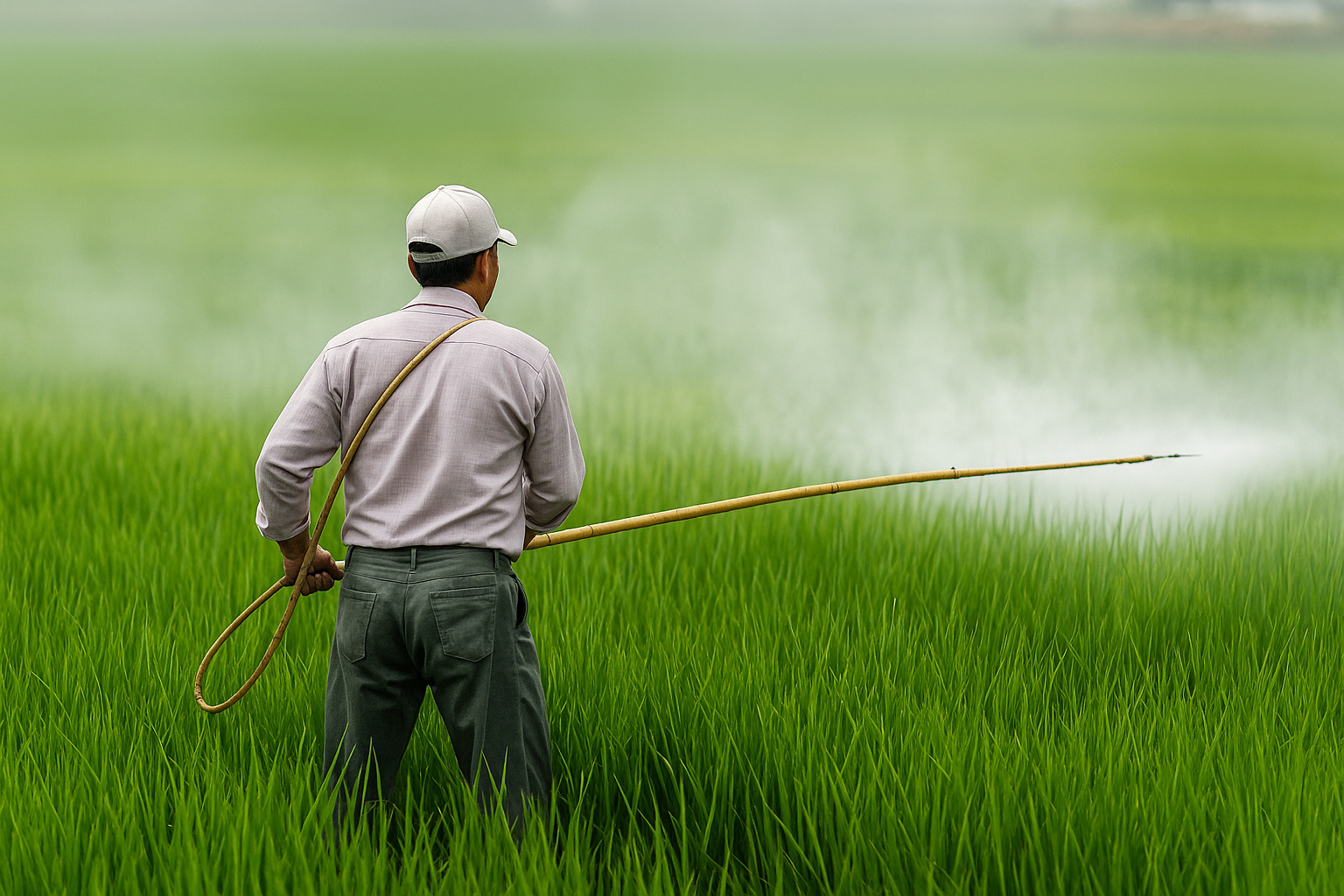

Ten Myths Debunked With Scientific Data and Official Reviews
The debate about agricultural pesticides remains central in Brazil, as it involves food production, sanitary safety, and environmental impacts.
Experts such as Edivaldo Velini from Unesp address the topic at technical events between 2023 and 2024.
Since the creation of the term “agrotoxic” in 1977, the discussion has evolved with new research and regulations.
Myths About Health Risks
The interpretation of intoxications often creates distorted perceptions, although data from DataSUS between 2015 and 2024 indicate another scenario.
In the analyzed records, 52.8% of the 1.6 million intoxications occurred due to medications, while only 3% involved agricultural pesticides, usually due to accidents or suicide.
With these numbers, it is clear that pesticides represent a small fraction of the notifications.
Furthermore, among the cases linked to habitual use, 80.8% resulted in recovery, demonstrating adequate management.
Myths About Environmental Impacts
The sustainability of the Brazilian agricultural sector is consistently evident, as shown by the reverse logistics system coordinated by InpEV since 2002.
This system ensures that 95% of packaging is returned properly, surpassing countries like France and the United States.
With this performance, the Campo Limpo program has collected 834 thousand tons of waste by 2023, preventing 1.05 million tons of CO₂.
These data thus reinforce a continued environmental commitment.
-
Solar-powered agricultural robots operate 24/7, remove weeds with 8mm precision, and aim to cut herbicide use without fuel consumption in the fields.

-
Brazilian Farmer Invents Low-Cost Tractor Using Motorcycle Parts, Efficiently Working 2 Acres on 1 Liter of Diesel

-
Regenerative Farmers Use Keyline Plow to Improve Pasture Hydration, Storing 1 Gallon of Water Every 30 Centimeters

-
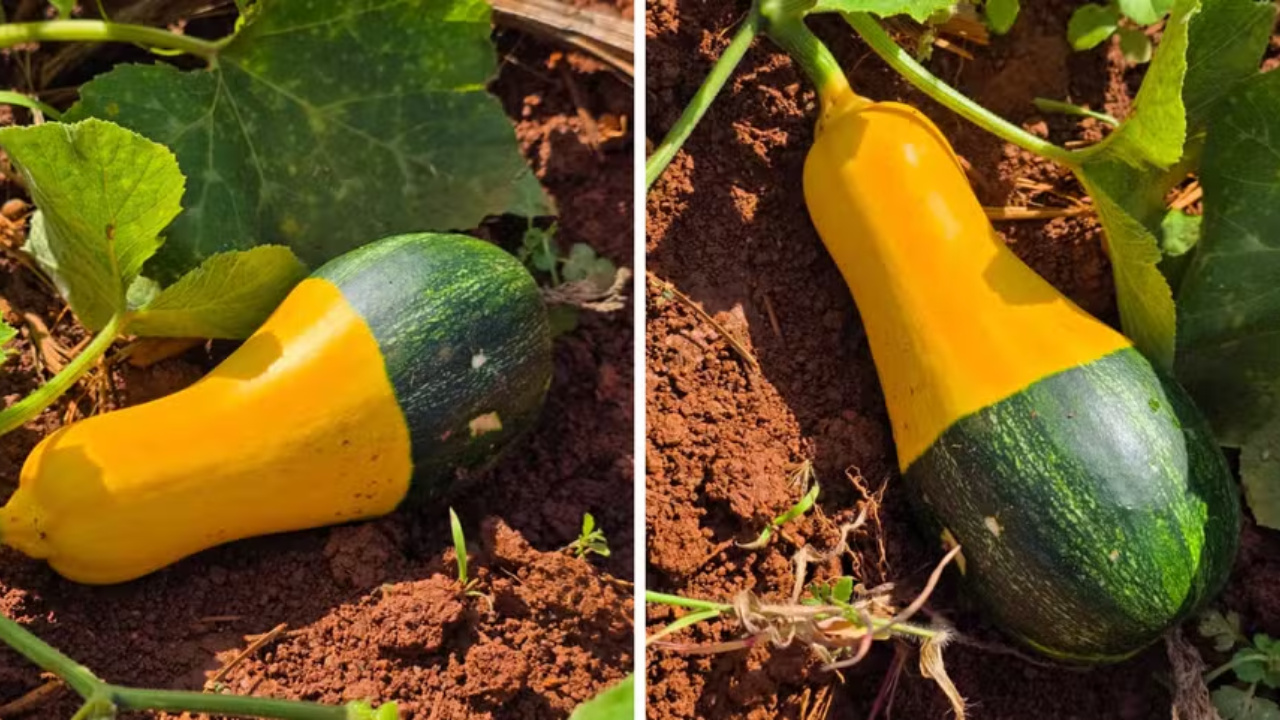
Bicolor Pumpkin Resembling Hand-Painted Art Discovered by Brazilian Researchers in the Capital Due to “Spontaneous Mutation”




Myths About Banned Products in Europe
Comparisons between international regulations require caution, as Brazil uses specific evaluation criteria conducted by Mapa, Anvisa, and Ibama.
These criteria, applied since 2002, consider tropical climate, available technologies, and agronomic needs.
With these foundations, studies published in Advances in Weed Science show modern herbicides with doses up to 25 times lower than before 1970, demonstrating progress.
Myths About Food Nutrition
The belief that organic foods have better nutritional value does not hold, according to scientific reviews from the American Journal of Clinical Nutrition.
These analyses indicate equivalence in vitamins and minerals between organic and conventional systems.
Additionally, the Annals of Internal Medicine confirms the absence of significant nutritional differences.
Myths About Brazil Being the World’s Largest User
An isolated reading of the total volume of pesticides creates misunderstandings, as it ignores use per hectare.
With the correct metric, data from FAO places Brazil in the 27th position worldwide.
According to Velini’s analyses, there are distortions in international calculations, reinforcing the need for statistical normalization.
Myths About Individual Consumption
The reported figure of 7.6 liters per inhabitant generates misleading interpretations, even though Abrasco considers the number merely pedagogical.
This indicator does not assess real exposure, as pesticides are widely used in non-food crops such as cotton, eucalyptus, and sugarcane.
Thus, there is no direct relationship between human consumption and the volume applied.
Myths About Cancer
The relationship between pesticides and cancer needs to consider context, as some compounds have risk but do not define direct causality.
The example of glyphosate, classified as “probably carcinogenic” by IARC in 2015, illustrates the need for technical interpretation.
In this scenario, Anvisa has already banned older substances and maintains ongoing sanitary surveillance.
Myths About Risks to Consumers
Official analyses demonstrate a high level of food safety, according to the PARA 2013–2023 report from Anvisa.
This report indicates that no active ingredient exceeded the ADI.
In the 2023 edition, 99.3% of samples showed no acute risk.
With this data, washing with water and hypochlorite further enhances safety.
Myths About Organic Superiority
The organic system also faces important sanitary challenges, according to a study from the Brazilian Journal of Microbiology (2023).
This study identified similar levels of microbiological contamination in organic and conventional crops.
Therefore, both methods require strict control.
Myths About Water Contamination
Hydrological monitoring conducted between 2018 and 2023 provides consistent data, according to analyses from Unesp and the ABC Foundation.
In these investigations, 1,176 samples were evaluated in different regions.
The results show concentrations well below safe limits, which reduces concerns about prolonged persistence.
The Importance of Scientific Information in Agricultural Debate
With all this evidence, the debate on agrochemicals gains clarity, as the data demonstrate how science, regulation, and monitoring define safety.
Thus, technical understanding of pesticides grows, as research, oversight, and technology reveal a more complex and less alarming scenario.
Therefore, the evaluation based on qualified information becomes essential, as only it allows balanced decisions regarding agricultural production, environmental impacts, and consumer safety.