Portuguese
  Spanish



In Addition to Increasing Electric Vehicle Production, Ford Will Build Four New Factories Creating 11,000 New Jobs by 2025
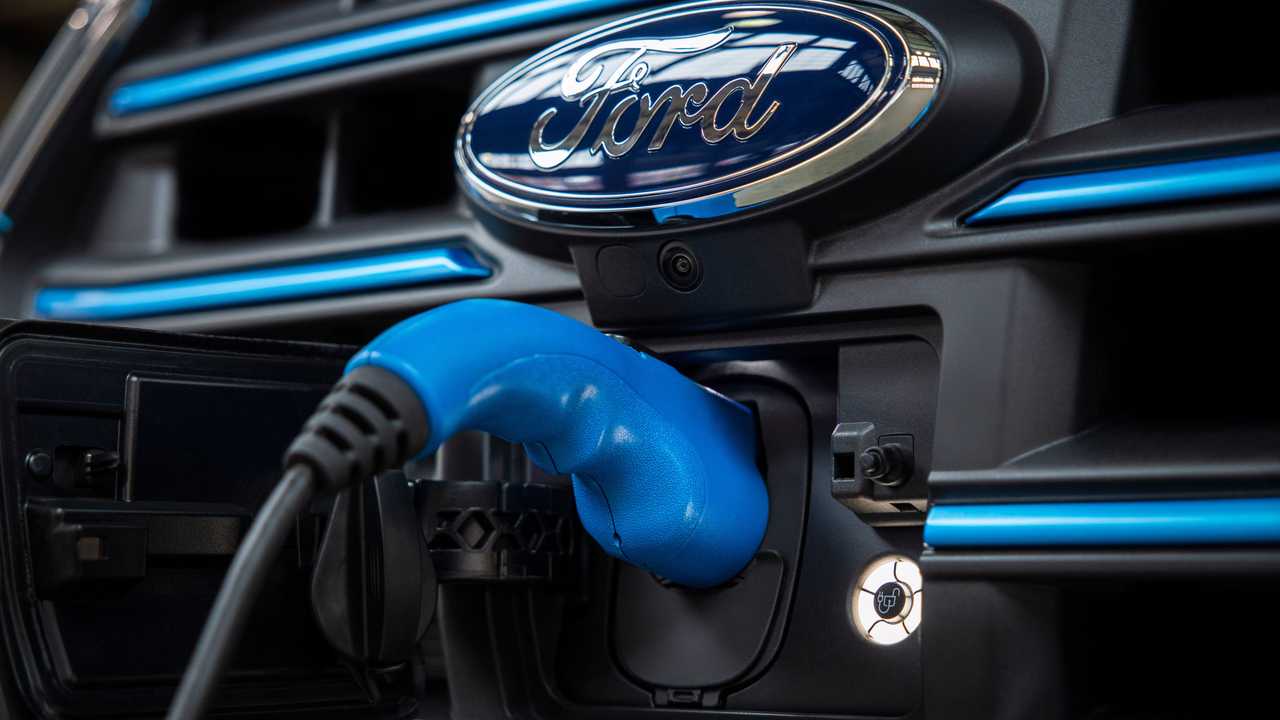
Ford, the American multinational automotive manufacturer, announced yesterday, Monday (09/27), that it plans to invest US$ 11.4 billion in electric vehicle production, building four new factories that will create 11,000 new jobs by 2025. Along with its South Korean partner SK Innovation, Ford will build the factories in Kentucky and Tennessee, the automaker revealed in a statement. Read this news as well: Ford and BMW’s Solid-State Batteries Enter Testing Phase and Promise to Revolutionize Electric Vehicles
- CAB Motors Will Invest R$ 100 Million in the Construction of a New Jeep Factory in Santa Catarina
- Paraná Government Develops Program for Farmers to Finance Solar Photovoltaic Energy and Biogas at Zero Interest
- 23-Year-Old Develops Solar-Powered Electric Car That Could Revolutionize the Automotive Industry
- Senai RO Has 2,000 Openings for Free EAD Courses in Mechanics, Electrical, Refrigeration, Welding, and More
- The Ants and Grasshoppers of Sovereign Funds: Rio de Janeiro, the Largest Oil and Gas Producer in Brazil, Has Not Saved a Dime for the State’s Future
Ford’s Expansion in Electric Vehicle Production
Ford added that it will build “the largest, most advanced, and most efficient automobile production complex in its 118-year history” and that this would position it at the forefront of its country’s transition to electric vehicles. The American group will invest US$ 7 billion, part of a package of 30 billion already announced this year. SK Innovation will contribute the remaining amount.
The automaker seized the opportunity to raise its goals for its electric fleet, as it expects that 40 to 50% of its global vehicle volume will be fully electric by 2030, up from 40% in the spring. The company’s president, Bill Ford, stated in the announcement that this is a moment of transformation in which Ford will lead the transition of the United States to electric vehicles and will usher in a new era of clean and carbon-neutral production.
-
Finnish Man Buys Unwanted Island for a Bargain, Builds Home with Seven Trees and €400 Roof, Lives Off-Grid with Family in -35°C

-
Burnished Concrete Gains Popularity in Brazilian Homes for Its Durable Finish and Minimalist Aesthetic

-
Man Builds Modern Luxury Village from Scratch Without Blueprints, Using Only His Intuition and Skill

-
Danish Carpenter Builds Entire Cabin in Backyard Using Reclaimed Materials and Homemade Sawmill




Creation of New Jobs and Carbon Emission Neutrality
“With this investment and spirit of innovation, we can achieve goals previously considered incompatible – protecting our planet, building great electric cars that Americans love, and contributing to the prosperity of our country,” says Bill Ford.
This news comes amid strong demand for the new F-150 Lightning pickup and other electric models, such as the E Transit and the Mustang Mach-E. “We are now committed to providing revolutionary electric vehicles for the many, not the few,” assured Jim Farley, Ford’s executive. Returning to a theme advocated by Joe Biden, he also emphasized that he aims to create “good jobs that support American families.”
Check Out This News as Well: Multinational Ford Develops Engine Capable of Turning Any Combustion Car into an Electric Vehicle
In the United States, it is common for automakers to sell crate engines, complete or partial engines specifically made for restorations and customer projects, to enthusiasts. The good news is that in addition to its traditional combustion V8s, the multinational Ford will also begin selling an engine capable of turning any combustion car into an electric vehicle.
The unit has more than 285 horsepower and a torque of 43.9 kgfm, more than double that of most 2.0 turbo engines available for sale on the market. The engine has a lot of power available from the initial revolutions, as is common with this type of unit. Another benefit of the multinational Ford’s product is its compact size. According to Ford, the engine, named Eluminator, is only 57 cm long, 37 cm high, and 34.5 cm wide.
The conversion of combustion cars into electric vehicles has become popular worldwide, as despite being sustainable, electric cars are still an option that weighs on consumers’ budgets. Even automakers are creating alternatives to enter the conversion sector. A company in the United Kingdom transformed the Mini Cooper into an electric vehicle, using a Nissan Leaf’s system.