Portuguese
  Spanish





Mitsubishi Evaluates Investing Billions in Raízen Amid Financial Restructuring and Stock Decline
Mitsubishi evaluates investing R$ 10 billion to enter the capital of Raízen, a company controlled by Cosan and Shell. The information was released by Bloomberg on Tuesday (02).
The discussions are still in the early stages, and the Japanese conglomerate is assessing whether it will submit a formal proposal for the acquisition of shares.
Preliminary Negotiation with Cosan and Shell
According to the agency, the operation would involve a capital increase, which could result in dilution of Cosan’s ownership.
-
China Tightens Control on Antimony, Driving Prices from $22,000 to Nearly $40,000 per Ton as U.S. Rushes to Bolster Strategic Reserves

-
BlackRock Freezes $1 Billion in Brazilian Renewable Energy, Impacting 1.5 GW of Planned Projects and Highlighting Investor Concerns Over Infrastructure Bottlenecks Cutting Up to 25% of Solar and Wind Generation
-
Labor Shortage: Despite Record Average Salary, 90% of Brazilian Bar and Restaurant Owners Struggle to Hire Key Roles Like Sushi Chefs and Head Cooks

-
Supermarket Deli Counter Attendants in Brazil Could Earn Over $2,100 Monthly by 2026, Plus Benefits Package


The idea is to strengthen Raízen’s cash flow amid high debt levels and market pressure. So far, there is no definition on ownership percentage or transaction format.
Confirmation from Controlling Parties
Hours after the Bloomberg publication, Cosan confirmed in a statement that, along with Shell, it is studying the entry of new investors.
The text emphasizes, however, that no agreement has been reached and that any discussions are not binding at this stage.
High Debt and Pressured Balance Sheet
The financial context explains the movement.
In the balance sheet for the 2025/26 harvest, released on August 14, Raízen reported a net loss of R$ 1.8 billion and a net debt of R$ 49.2 billion.
Leverage reached 4.5 times adjusted EBITDA, mainly reflecting the increase in financial costs linked to CDI.
Analysts assess that the company needs to accelerate deleveraging measures, such as reducing investments, cutting trading operations, and selling new assets.
The expectation is that external investment will become essential to ease the capital structure.
Restructuring Plan and Asset Sales
With the arrival of Nelson Gomes as president in late 2024, the company initiated a broad restructuring.
Part of this strategy involves reviewing the business portfolio, which has already resulted in significant disinvestments.
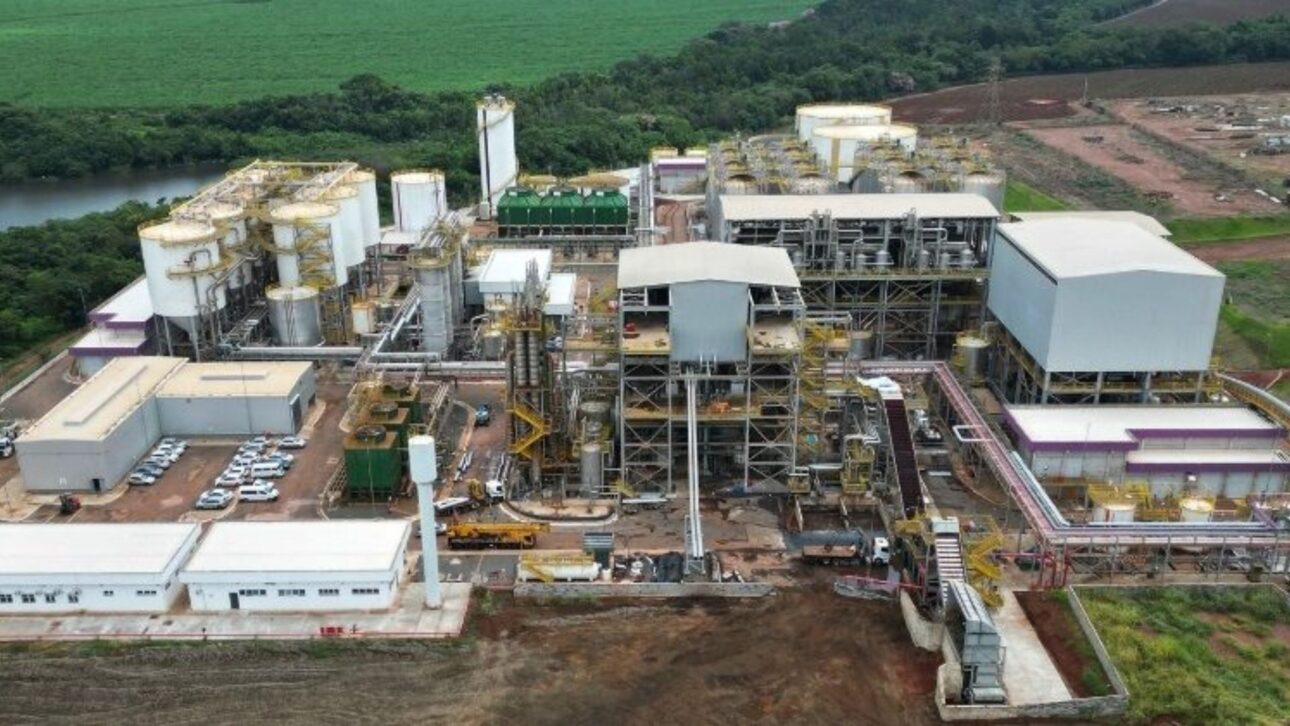
The most recent example occurred on August 29, 2025, when Raízen announced the sale of the Passa Tempo and Rio Brilhante plants in Mato Grosso do Sul to Cocal.
The operation was valued at R$ 1.325 billion, potentially reaching R$ 1.543 billion depending on off-season adjustments.
The package includes milling capacity of 6.2 million tons, along with sugarcane supply contracts and agricultural land.
Stock Performance
The weakening of financial indicators directly impacted stock performance.
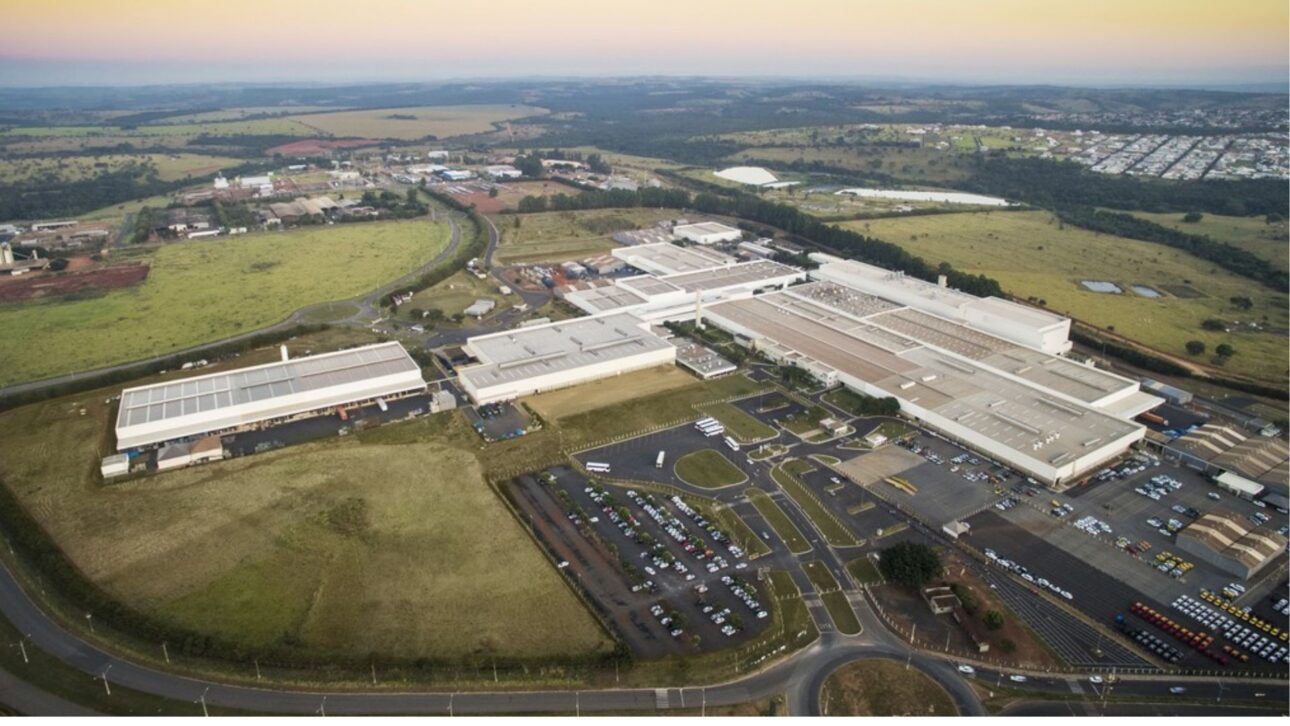
Only in 2025, up to this Tuesday (2), Raízen’s shares have accumulated a drop of about 43%, reducing the company’s market value to approximately R$ 12.8 billion.
The decline increases the pressure for capital reinforcement, as issuances during times of fragility tend to have high costs.
Mitsubishi Interest
The entry of Mitsubishi is seen as strategic. The Japanese conglomerate has a tradition of investments in Brazil and a solid presence in the energy and commodities sectors.
Although there are no details yet on possible synergies, the international experience and financial strength of the company could enhance Raízen’s integrated platform, which ranges from ethanol and sugar to fuel distribution.
Perspectives and Next Steps
With no defined timeline, discussions remain exploratory.
The outcome will depend on the negotiation between Cosan and Shell, Mitsubishi’s willingness to invest, and market conditions.
In parallel, Raízen continues with its divestment agenda and seeks to improve operational margins in the current harvest.
The market’s expectation is that an investment of this magnitude will provide breathing room for cash flow and reduce leverage.
Nonetheless, the question remains: Will the arrival of a new partner be sufficient to rebalance the company or will it merely buy extra time until the next harvest?