Portuguese
  Spanish




What If The Answer To The Energy Crisis Were Hidden Under The Mountains? Until Recently, Science Believed That The Largest Reserves Of Natural Hydrogen Were Associated With Rift Zones, Where Continents Separate. However, A New Study Reveals That Mountain Chains, Such As The Pyrenees, The Alps, And Parts Of The Himalayas, May Contain Vast Deposits Of This Clean Energy Source.
This discovery could radically change the way we perceive energy production. If these reserves can be extracted efficiently, hydrogen could become the key piece for a global energy revolution, reducing dependence on fossil fuels and combating carbon emissions.
The Surprising Discovery Of Natural Hydrogen In The Mountains
A study conducted by the GFZ Helmholtz Centre for Geosciences highlighted a surprising finding: mountain ranges can be true natural reservoirs of hydrogen. The research shows that geological processes at high altitudes can generate and store this energy source in much larger quantities than previously thought.
Until now, it was believed that natural hydrogen was restricted to specific tectonic environments. However, this new evidence suggests that mountainous regions may be even more productive than traditional rift basins. If the commercial viability of this extraction is confirmed, the energy industry could enter a new era.
-
Fired during apartheid and with a little borrowed money, an electrician started with a borrowed truck and transformed electrical services into a group connected to energy, real estate, and infrastructure in South Africa.

-
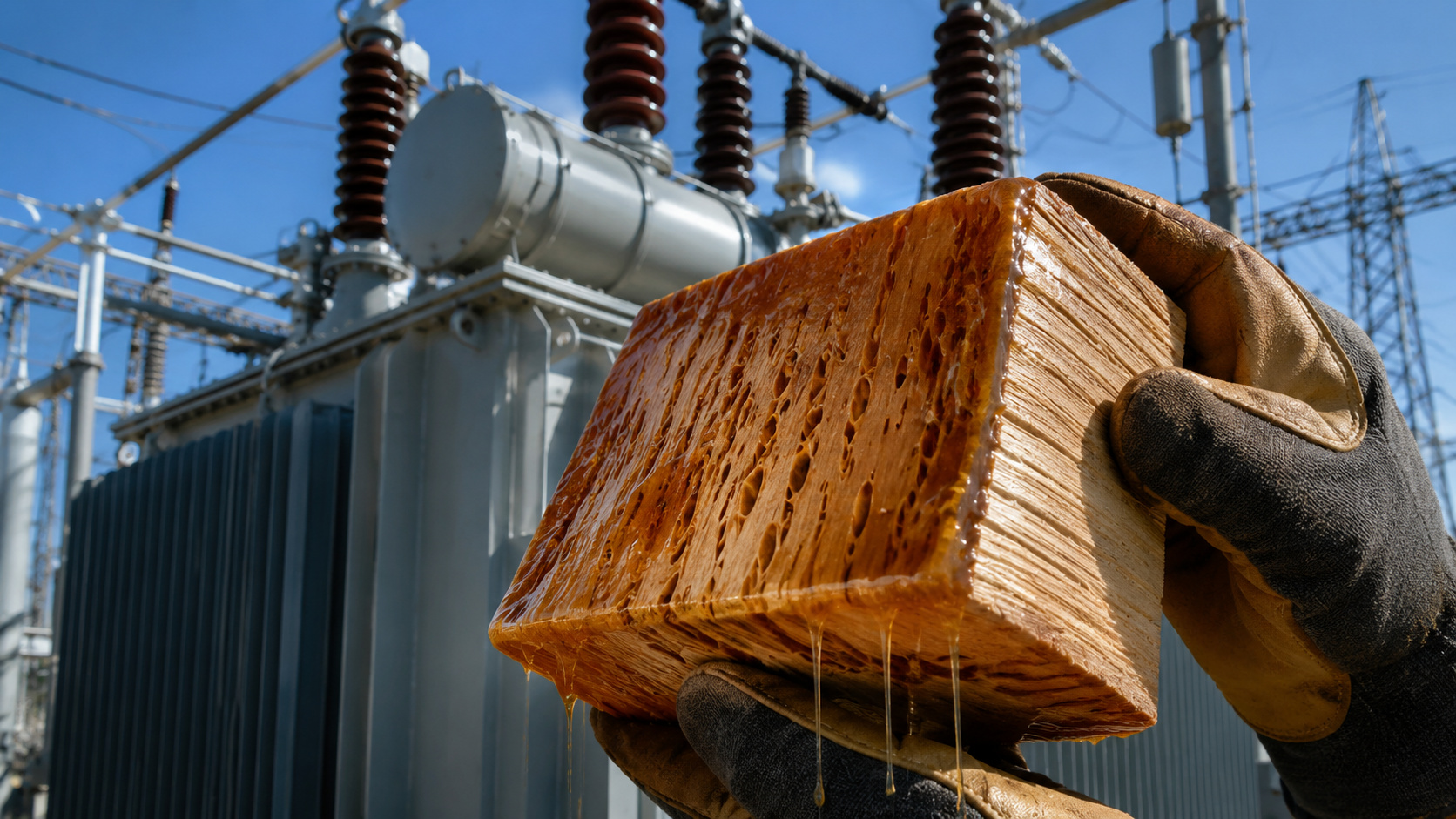
Wood has ceased to be just a construction material in Yale research and has become insulation for electrical transformers that face intense heat, aging, and increasing pressure from the renewable energy-powered grid.
-
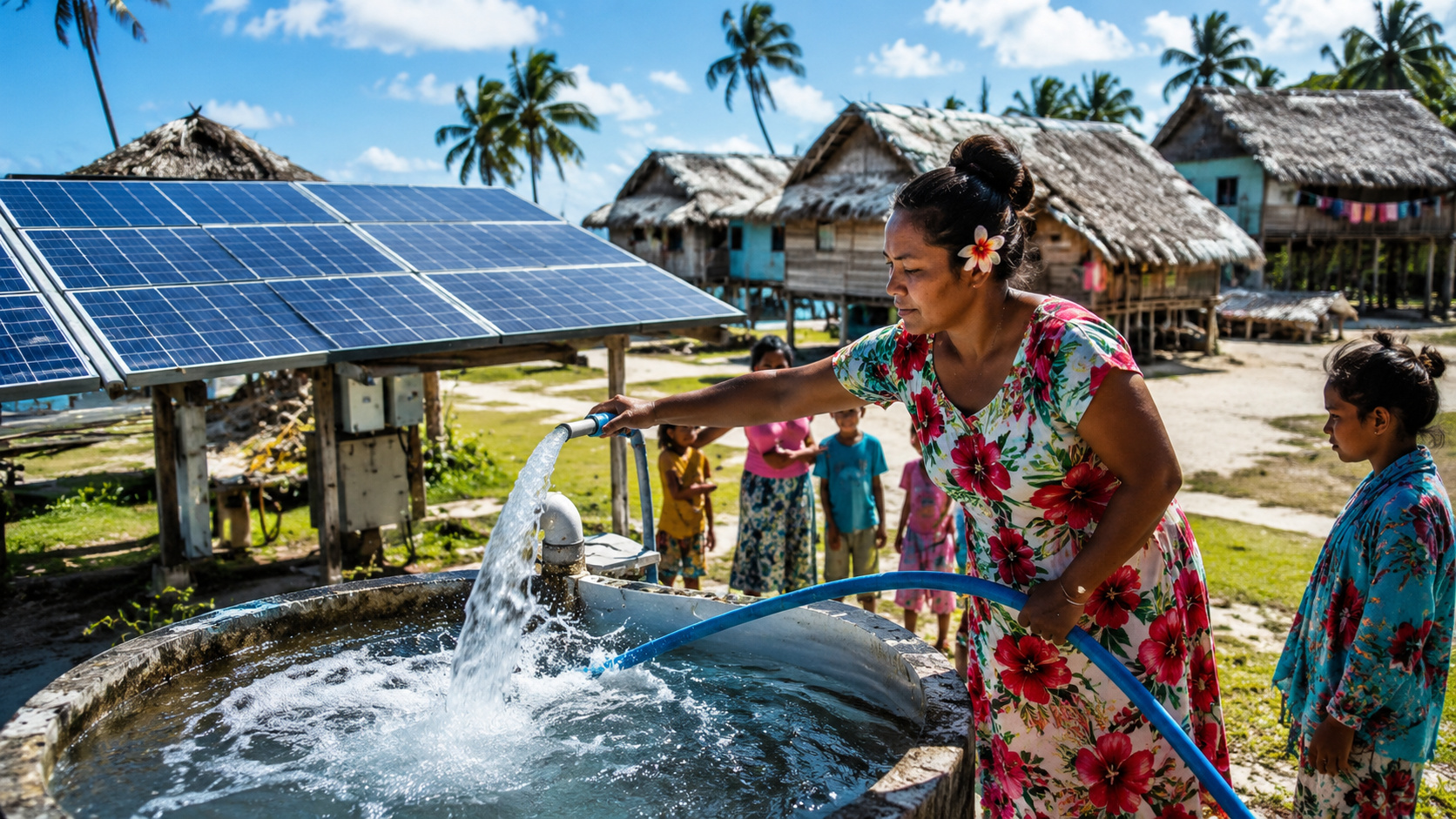
More than 1,000 residents of a remote island in Kiribati now have clean water and electricity with solar systems operated by the community itself.
-
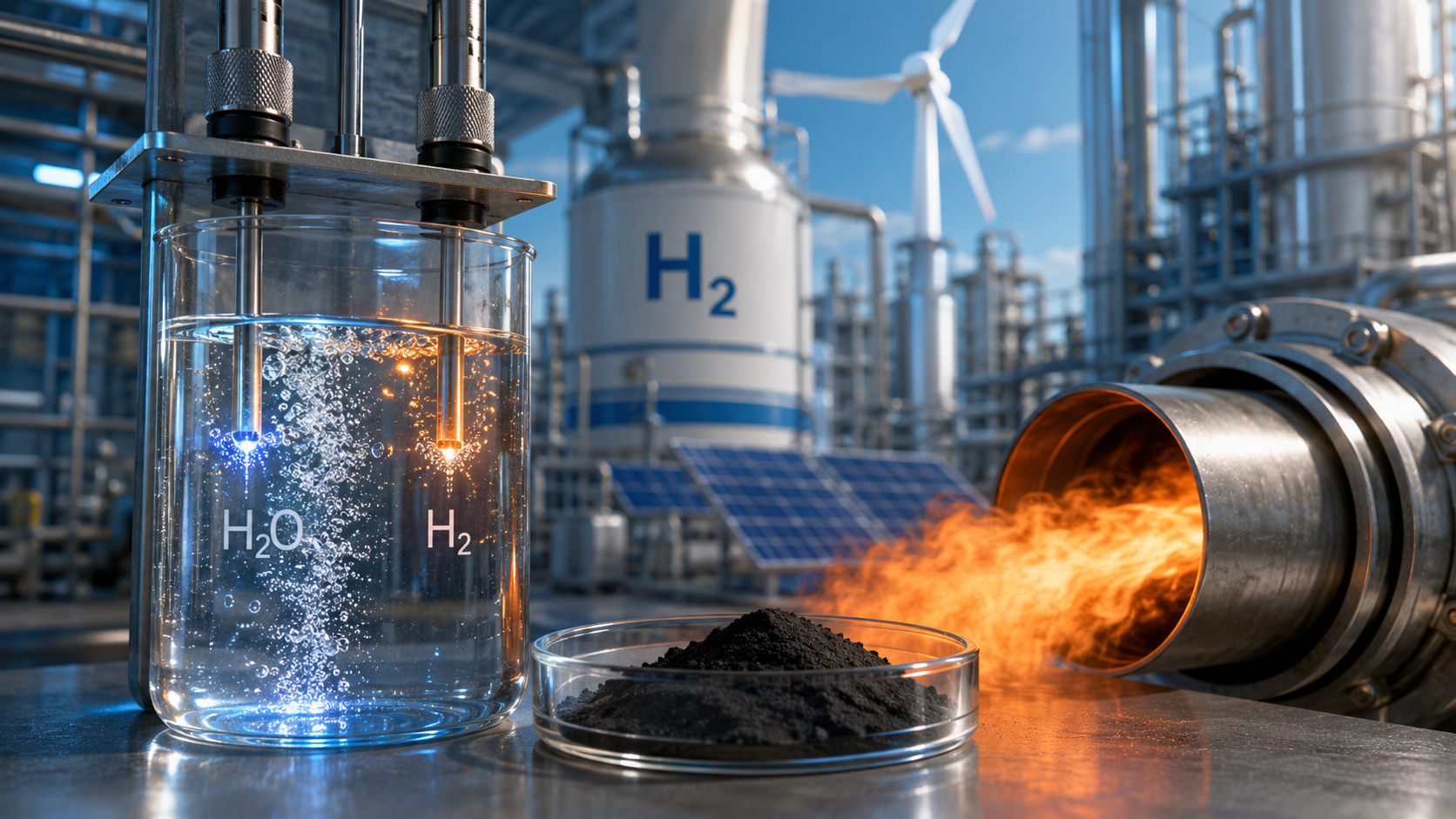
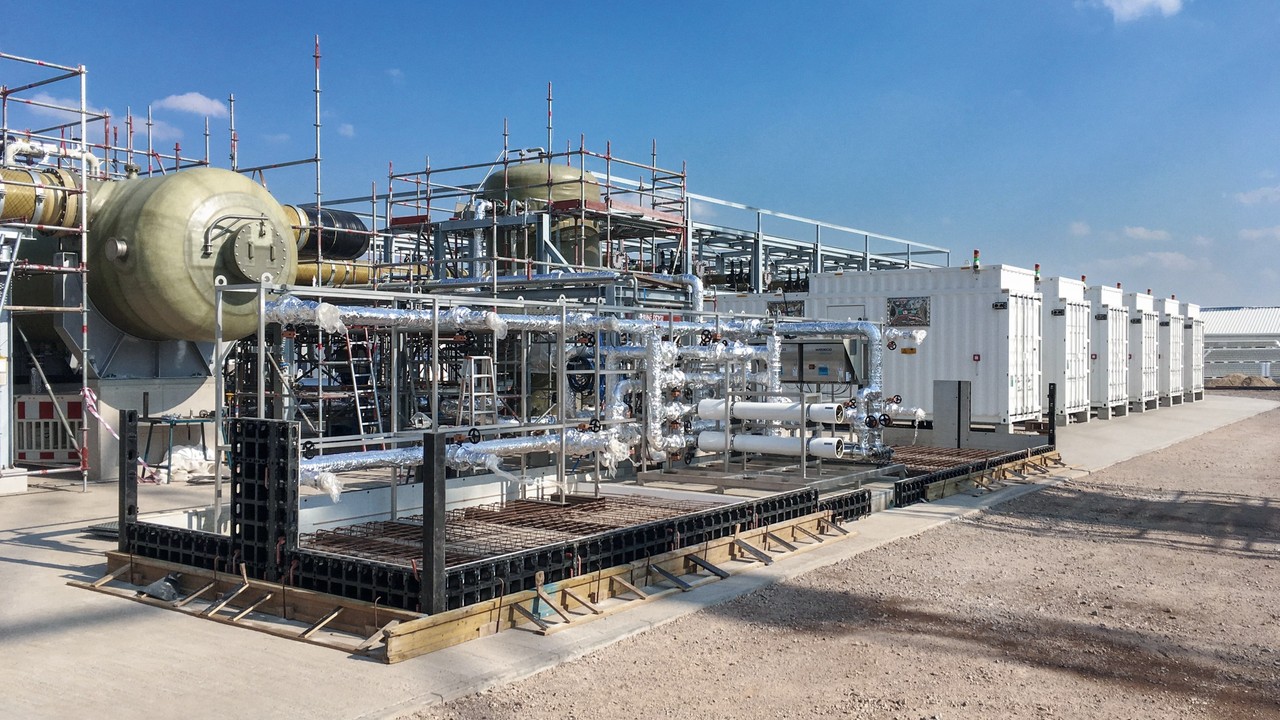
Ceará brings together 7 giants and R$ 66 billion to transform Pecém into the largest green hydrogen hub in Brazil, with final decisions expected by the end of 2026.


The Geological Process Behind The Phenomenon

The main factor behind this discovery is a geological process called serpentinization. It occurs when mantle rocks come into contact with water, forming new minerals and releasing hydrogen gas underground. This phenomenon was already known, but its ability to produce hydrogen on a large scale in the mountains has only now been understood.
Researchers estimate that this mechanism can generate up to 20 times more hydrogen per year than rift basins, making it a promising source to meet global energy demand.
How Mountains Can Surpass Rift Basins In Hydrogen Production
Unlike previous assumptions, mountains provide even more favorable conditions for hydrogen generation and storage. The intense tectonic activity, combined with internal heat and the presence of water, creates the perfect environment for this gas to accumulate in large quantities.
This paves the way for a new approach to hydrogen exploration, focusing not only on continental separation areas but also on mountain chains around the world.
The Impact Of The Discovery On The Future Of Energy
The discovery of natural hydrogen in mountains could represent a significant turning point in the energy sector. Currently, hydrogen production is dominated by processes that consume fossil fuels and emit CO₂, resulting in high costs and environmental impact.
If extracting these natural reserves is viable, the so-called “white hydrogen” could replace conventional methods, providing a low-cost and completely carbon-free alternative. This would assist in the transition to cleaner and more sustainable energy sources.
Aviation, steelmaking, and heavy transportation, which currently rely on fossil fuels, could benefit from this new source, drastically reducing their emissions of polluting gases.