





 Portuguese
  English
  Spanish
  4 min of reading
  0 comments


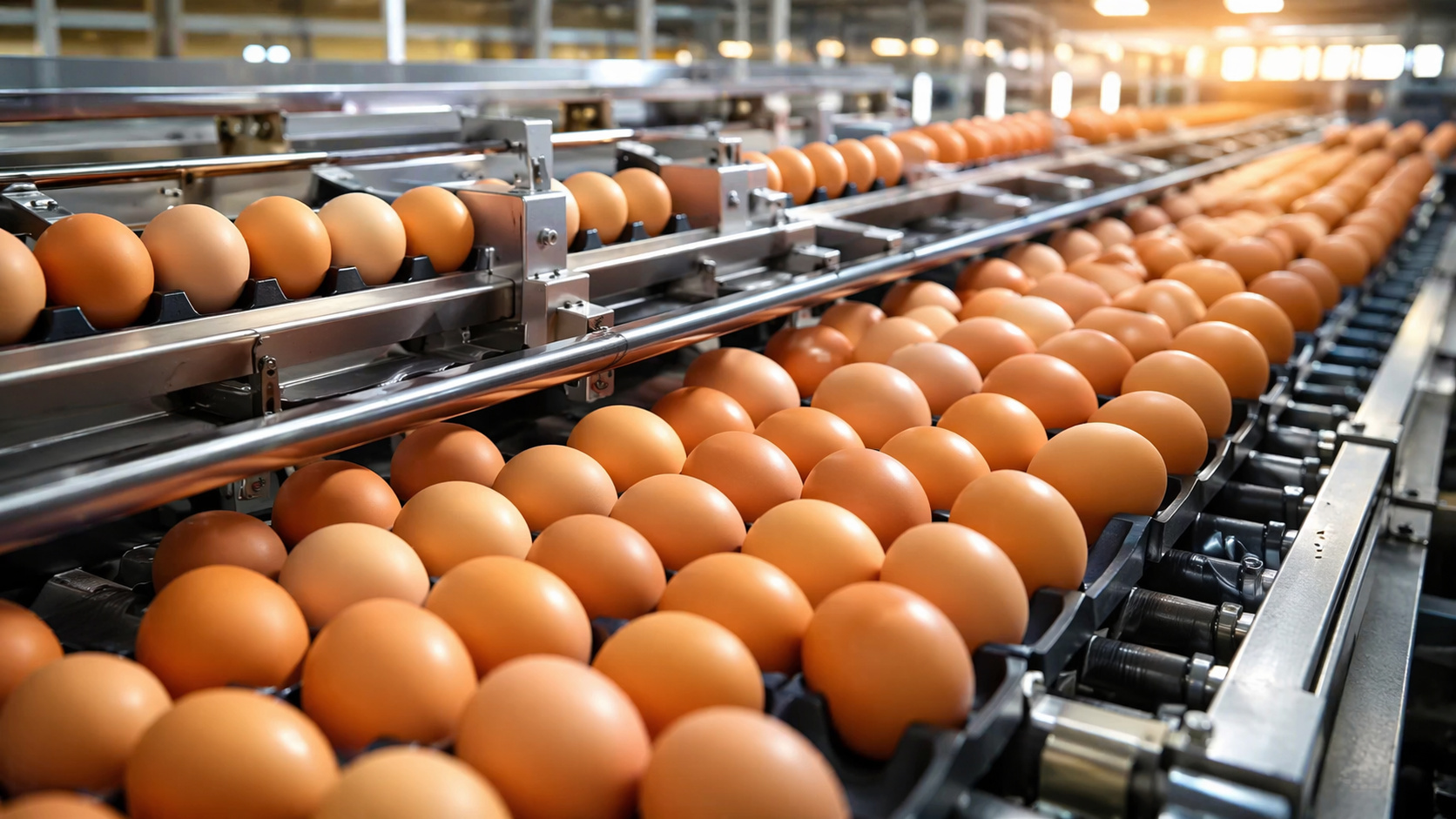
Egg production reveals how the egg is formed inside the hen and processed until it reaches the consumer
The egg production in the United States exceeds 100 billion units per year, sustaining an average consumption of about 300 eggs per person. This impressive volume depends on a highly organized system that starts inside the hen’s body and ends on the supermarket shelves.
To meet this demand, millions of birds are raised on modern farms, where every detail is controlled to ensure productivity and quality. The process involves advanced technology and a biological cycle that takes more than a day to complete.
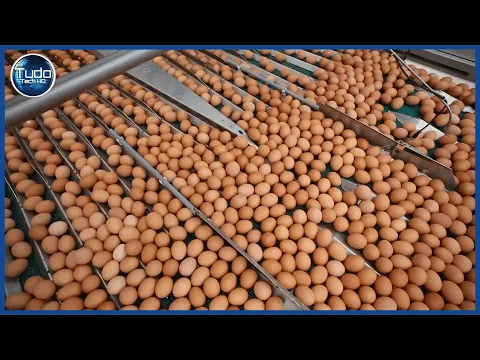

Egg production in the United States depends on automated farms and high productivity
Egg production in the United States occurs on a large scale, with farms designed to maintain ideal breeding conditions. The barns are equipped with systems that control temperature, ventilation, and lighting.
-
What it means when a person doesn’t want to hug or be hugged: psychology reveals a connection with 4 attachment styles, social anxiety, emotional traumas, and even haphephobia, a condition that can turn a simple touch into strong psychological discomfort.

-
While common buildings in São Paulo or Berlin occupy the ground for years, in China a horizontal skyscraper the size of the Empire State Building was erected in record time, transforming the city and inspiring new urban solutions.

-
While conventional religious buildings prioritize height and ornaments, a mosque in Istanbul occupies 1,300 square meters of land but remains almost invisible, gaining international recognition for its innovative design.
-
While historic squares in Europe preserve only ruins, in Seville a giant wooden structure with six 150-meter mushrooms creates a market, viewpoint, and panoramic walkways over archaeological remains.




Tudo Tech HD, an educational content channel about technology and industry, showed that artificial lighting maintains about 15 hours of light per day, an essential factor for stimulating hens to lay eggs.
Each bird can produce a maximum of 1 egg per day, with an average of approximately 300 eggs per year. This performance ensures a continuous supply for the population.
Controlled feeding and monitored environment ensure egg quality
The hens receive balanced feed up to three times a day, composed of grains, proteins, vitamins, and minerals. This care ensures that the eggs have good quality and nutritional value.
Water is provided constantly, and the entire environment is monitored to avoid stress in the birds. This direct control influences the production rate and the regularity of the eggs.

Tudo Tech HD, an educational content channel about technology and industry, highlighted that these conditions are fundamental to maintaining the efficiency of the farms and meeting the high market demand.
How the egg forms inside the hen over about 24 to 26 hours
The process of formation and production of eggs begins in the ovary, where nutrients are transformed into the yolk. Small structures called follicles grow until they reach about 25 millimeters.
When the yolk is ready, it is released into the oviduct. From that moment on, it starts a journey that lasts about 24 hours, which can extend to 26 hours until the final laying.
During this journey, the yolk receives the egg white, membranes, and shell. The shell forms in the bird’s uterus over about 20 hours, with calcium deposition that ensures strength.
Automated collection takes eggs directly to processing
After being laid, the eggs gently roll onto conveyor belts located in front of the cages. This system prevents damage and speeds up transportation to the processing area.
The hens’ droppings are directed by separate conveyors, which reduces contact with the eggs. Even so, there are later cleaning stages to ensure hygiene.
The use of technology allows millions of eggs to be collected daily with speed and organization.
Cleaning, inspection, and classification ensure quality standard
The eggs go through automated systems that can process up to 144 thousand units per hour. In this process, they are cleaned with warm water and specific products, followed by drying with hot air.
The inspection is done with intense light, a technique known as ovoscopy, which allows for the identification of internal defects. Eggs with cracks or stains are removed from the line.
The approved eggs are weighed, classified by size, and sent for packaging, receiving codes that allow tracking of their origin.
Off-grade eggs are utilized by the food industry
Not all eggs go for direct sale to consumers. Those with minor imperfections are destined for the food industry.

At this stage, egg white and yolk are separated by high-precision automated machines. They then undergo pasteurization, a process that eliminates bacteria and increases food safety.
The products can be sold in liquid form or transformed into powder, being used in recipes such as cakes, sauces, and mayonnaise.
Efficient system ensures constant supply and product quality
The production of eggs in the United States shows how technology and biology work together to meet a huge demand. Each step, from formation inside the hen to packaging, is carefully controlled.
This model ensures that billions of eggs reach consumers with quality and safety, keeping the food present in the daily lives of millions of people.
If you found it interesting to understand how this process works, leave your comment and share this content with those who also enjoy discovering curiosities about the world of food production.








Be the first to react!