






 Portuguese
  Spanish
  3 min of reading
  0 comments


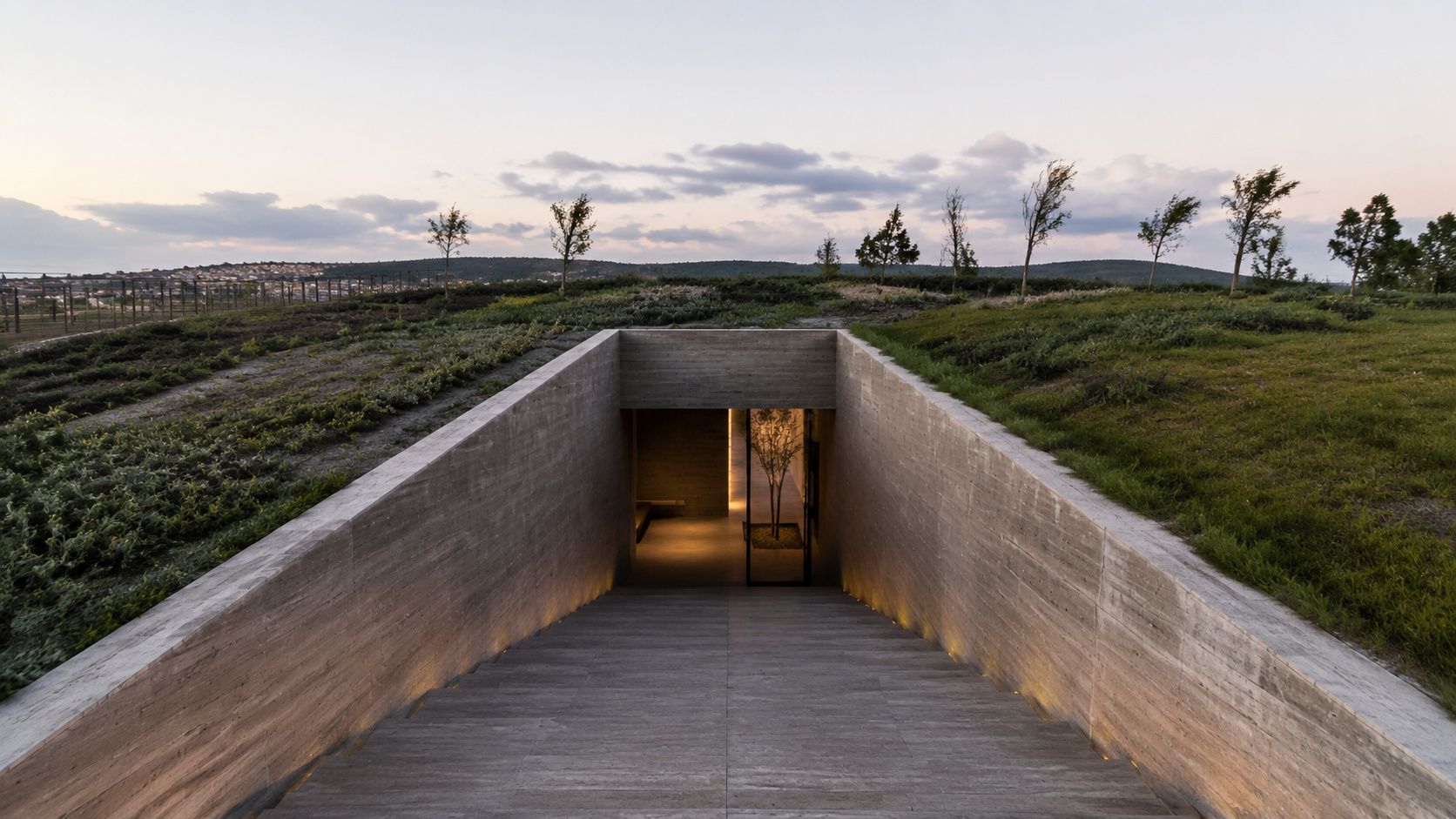
The Sancaklar Mosque transforms stone, concrete, and natural light into an underground and introspective religious experience, surprising visitors with minimalist and silent architecture
The Sancaklar Mosque in Istanbul challenges the traditional concept of mosques. Instead of monumental domes or imposing minarets, Emre Arolat’s design uses 700 square meters of interior space to create a space of introspection and silence. The construction integrates with the topography, becoming almost invisible from the outside and making an impact only through its natural light and sensory experience.
The contrast is evident for those expecting a traditional mosque. Instead of being seen from afar, the Sancaklar Mosque leads the visitor through discreet corridors and carefully positioned openings, where side light highlights stone and concrete textures. The approach transforms the architecture into a guide for the spiritual experience, without resorting to ornaments or striking colors.
The information was published by Divisare, a platform specialized in architecture, detailing that the temple occupies 1,300 square meters of land and has received international recognition for its innovative and minimalist design. The portal highlighted how the mosque combines sobriety and functionality, creating a unique religious space.
-
Stone tower in Scotland is over 2,000 years old, about 13 meters high, was built without mortar on a remote island, and still intrigues archaeologists about its true function.

-
Far beyond the melting ice in the Arctic, a study reveals that carbon hidden in deep layers of permafrost may escape sooner than expected and turn frozen soils into a new source of CO₂.

-
63 years ago, a Soviet worker left the factory, entered Vostok 6 alone, and became the first woman in space, but the achievement still highlights the slow opening of missions to women.
-
Brazilian students may be expelled from Portugal: Parliament closes the last door for regularization without a visa, threatening thousands of students and affecting the largest foreign community in Portuguese schools.



Why the mosque almost disappears into the landscape
The mosque was built partially buried, which reduces its visual impact on the city. Only small elevations indicate its presence, allowing the terrain and surroundings to remain preserved. This choice makes the Sancaklar Mosque discreet and mysterious, sparking curiosity among visitors and architecture scholars.


The integration with the terrain creates a differentiated experience, where the visitor perceives the space gradually. Each light opening and corridor guides the gaze and body, reinforcing the feeling of introspection and retreat within the temple.
How light and concrete replace ornaments
The use of indirect natural light, concrete and stone redefines the interior of the mosque. Without traditional decorative elements, the architecture enhances the visitor’s sensory perception. The light enters laterally, creating visual paths and highlighting surface textures, promoting contemplation and attention to the space.
The minimalist approach allows for an intense and focused religious experience. The raw concrete and stone conveying solidity and permanence make the environment introspective, encouraging meditation and reflection during the visit.
The difference between monumentality and introspection
The Sancaklar Mosque shows that impact does not depend on height or ornamentation. The temple prioritizes proximity, silence, and personal experience, reversing the traditional model of grandeur in mosques. The almost invisible construction reinforces the idea of retreat and provides a sense of protection and shelter.
This inversion of concept presents a new perspective on religious temples. The visitor focuses on the interior and the light, feeling the space intimately, without external distractions.
Why the work received international awards
The mosque gained global prominence. ArchDaily, an international architecture portal that records projects of worldwide relevance, recognized the Sancaklar Mosque as an example of innovation and minimalism applied to religious space. The temple also received the RIBA Award for International Excellence, an award from the Royal Institute of British Architects, a British entity that values outstanding international architectural projects.

The recognition reinforces the importance of rethinking religious architecture, showing that discreet constructions integrated into the landscape can have a profound impact and worldwide reference.
How building a temple below ground level changes the experience
The prayer experience is transformed by the underground design. The visitor traverses corridors and light openings that guide movement and gaze. Every detail of light and texture is perceived intensely, making the space introspective and silent.
The mosque demonstrates that integration with the terrain and simplicity can create a modern and respectful temple, offering a unique experience of spirituality and contemplation.
The Sancaklar Mosque challenges the visitor to rethink the relationship between architecture and spirituality. Have you ever imagined a temple that hides in the earth but impresses with silence and light? Leave your comment and share your opinion about this unique experience.








Be the first to react!