Portuguese
  Spanish


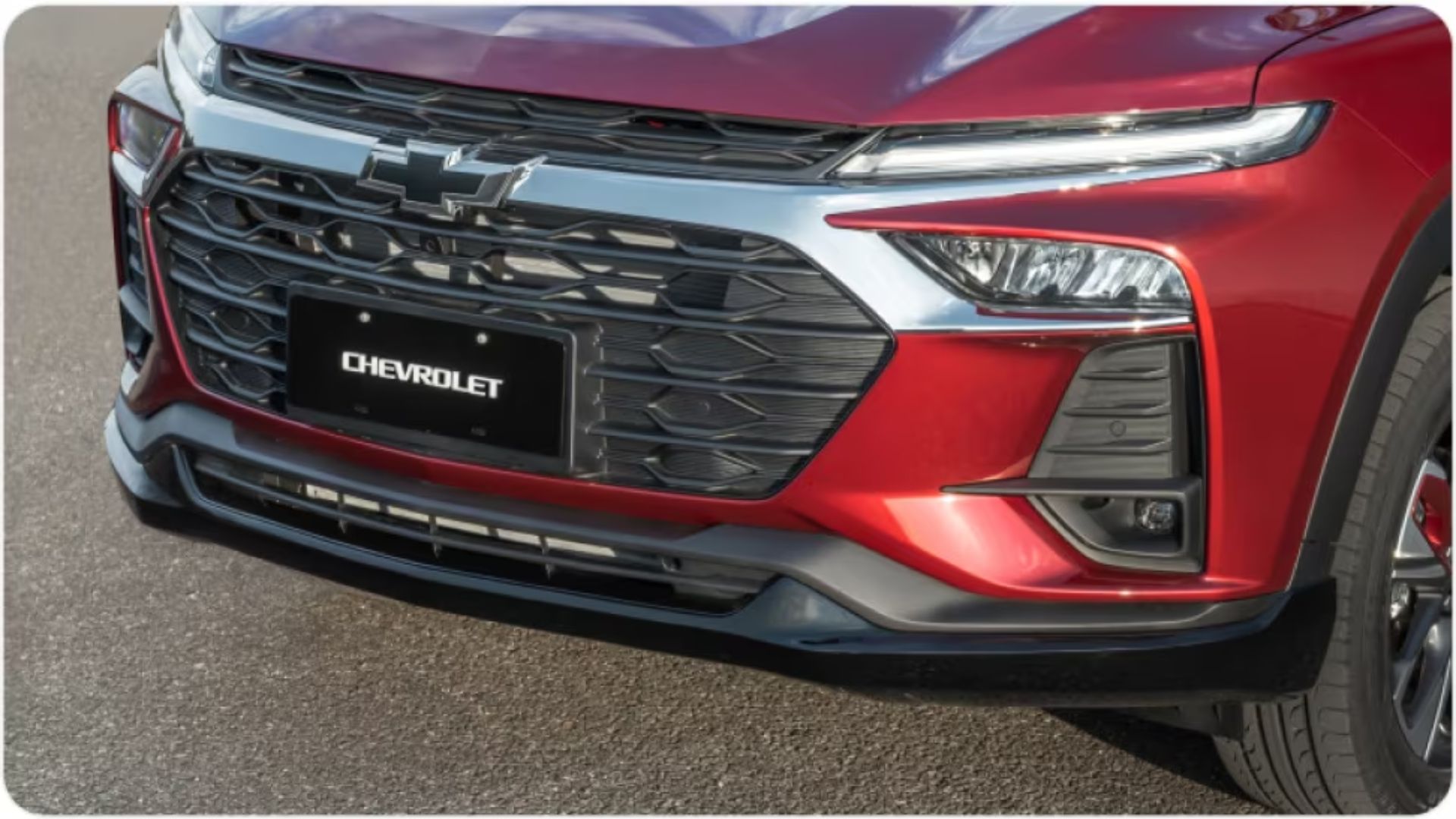


Facelift Brings New 11-Inch Center, Recalibrated Engine, and Reinforced Belt, While Chevrolet Bets on Efficiency and Extended Warranty to Keep the SUV Competitive Amid Power Loss and Strong Competition.
The 2026 Chevrolet Tracker arrives with a facelift and a recalibrated 1.0 turbo engine for 115.5 hp, as well as a 11-inch multimedia center and fine-tuned suspension adjustments.
The strategy aims for efficiency and price in an extremely competitive segment, even after the power drop.
The brand maintained the price range of the 2025 line, between R$ 119,900 and R$ 190,590, and extended the warranty to five years, a move aimed at increasing consumer confidence.
-
Volkswagen to Cut Production by 1 Million Cars by 2030, Reducing Jobs and Platforms, Focusing on More Profitable Models

-
Toyota Launches First 100% Electric Car in Brazil: bZ4X with 343 HP, All-Wheel Drive, 361 km Range, Priced at $419,990 BRL, Limited to 99 Units

-
Chinese SUV Achieves 24.4 km/l, Outperforms Toyota Yaris Cross in Real-World Tests with 224 hp Hybrid System, Offers 51-Liter Tank for Greater Range, and Costs Up to R$ 5,000 Less.
-
Uber Black Revamps Fleet, Drops Ten Car Models and Sets Deadline for Electric BYD Dolphin


New Look, Revised Package, and Focus on Efficiency
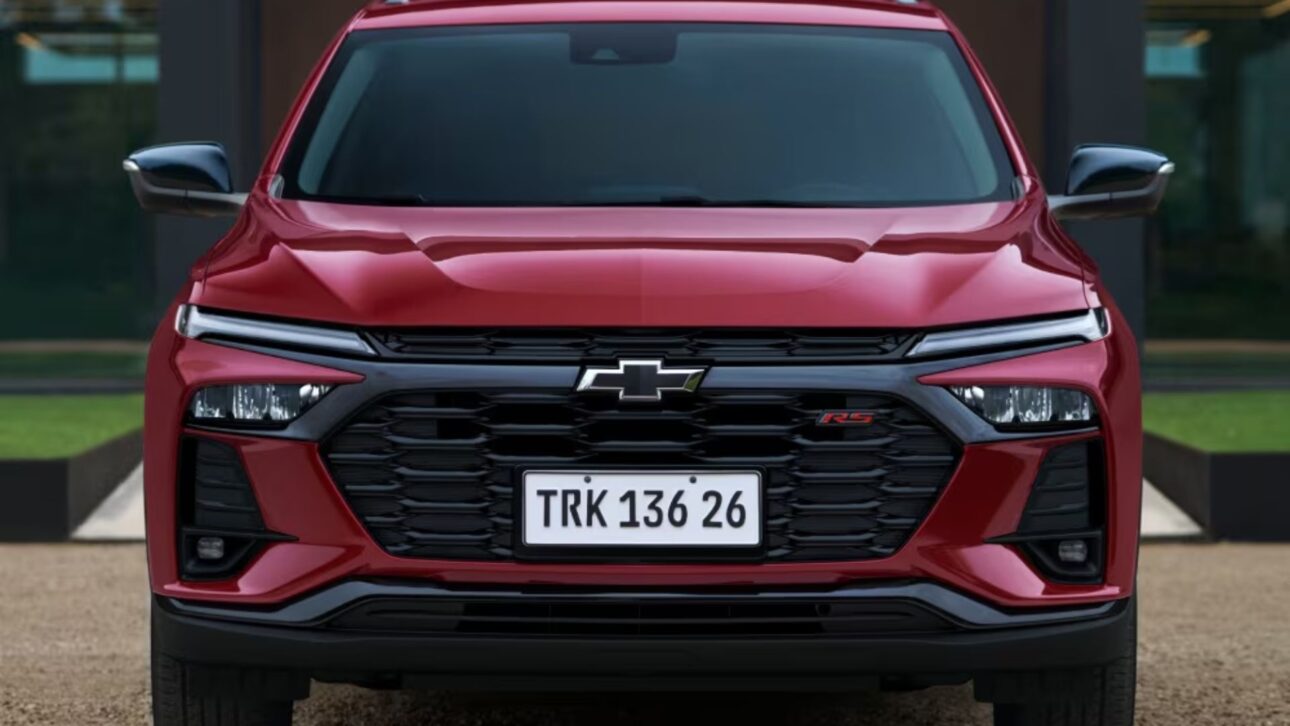
The aesthetic update involves a redesigned front and modernized cabin with a digital instrument cluster and the new 11” screen.
In the entry-level and LT versions, the setup comes with 17-inch steel wheels with hubcaps, a feature that helps contain costs, even though it showcases simplicity for a model priced above R$ 150,000.
Connectivity includes wireless Android Auto and Apple CarPlay, as well as OnStar.
In structural terms, the Tracker maintains the dimensions of the current generation, with 4.30 m in length, 2.57 m in wheelbase, 1.79 m in width, and 1.62 m in height.
The trunk remains at 393 liters, a competitive number, but not leading among direct rivals.
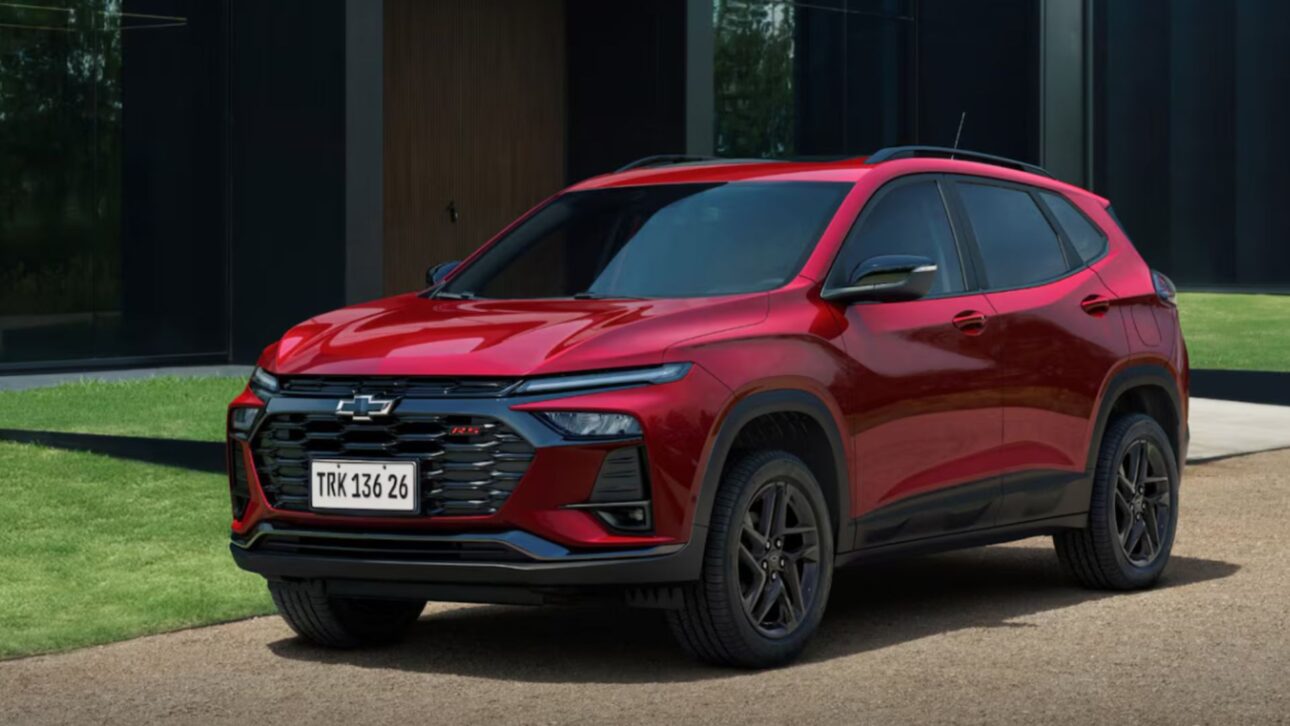
Why Power Dropped to 115.5 hp
GM recalibrated the 1.0 turbo three-cylinder engine to align the SUV with new tax rules that reward more efficient models.
The Sustainable Car Program, regulated in July, eliminated the IPI for compact vehicles manufactured in Brazil with high environmental performance; among the criteria that modulate the tax is the power in kW, with ranges that favor engines up to 85 kW (about 115 hp).
The adjustment of the setup allows the Tracker to apply for the benefit, although inclusion depends on accreditation and the publication of a specific ordinance.
In practice, the SUV lost 5.5 hp on ethanol and 1 hp on gasoline compared to the previous calibration that reached 121 hp, but maintained torque at known levels: 18.9 kgfm (E) and 18.3 kgfm (G).
The six-speed automatic transmission continues to manage performance with well-spaced ratios.
Adjusted Fuel Consumption and Performance
The changes resulted in a slight improvement in fuel consumption for the 1.0T versions.
According to data from Inmetro, the Tracker achieves 8.1 km/l in the city and 9.9 km/l on the highway with ethanol; with gasoline, it performs 11.5 km/l (urban) and 13.8 km/l (highway).
In terms of performance, the 0 to 100 km/h time is 10.9 s, consistent with the urban proposal of the model and the smooth response after 2,000 rpm, although the “turbo lag” may still be noticeable at take-offs.
Meanwhile, rivals like the Volkswagen T-Cross continue to record higher fuel averages in some efficiency test scenarios, pressuring Chevrolet to compete on connectivity, warranty, and price.
The market analysis reinforces the need for the Tracker to position itself as a rational option for those who prioritize equipment and after-sales service.
Driving, Interior Space, and Ergonomics
The suspension calibration became stiffer, but without compromising comfort on uneven surfaces.
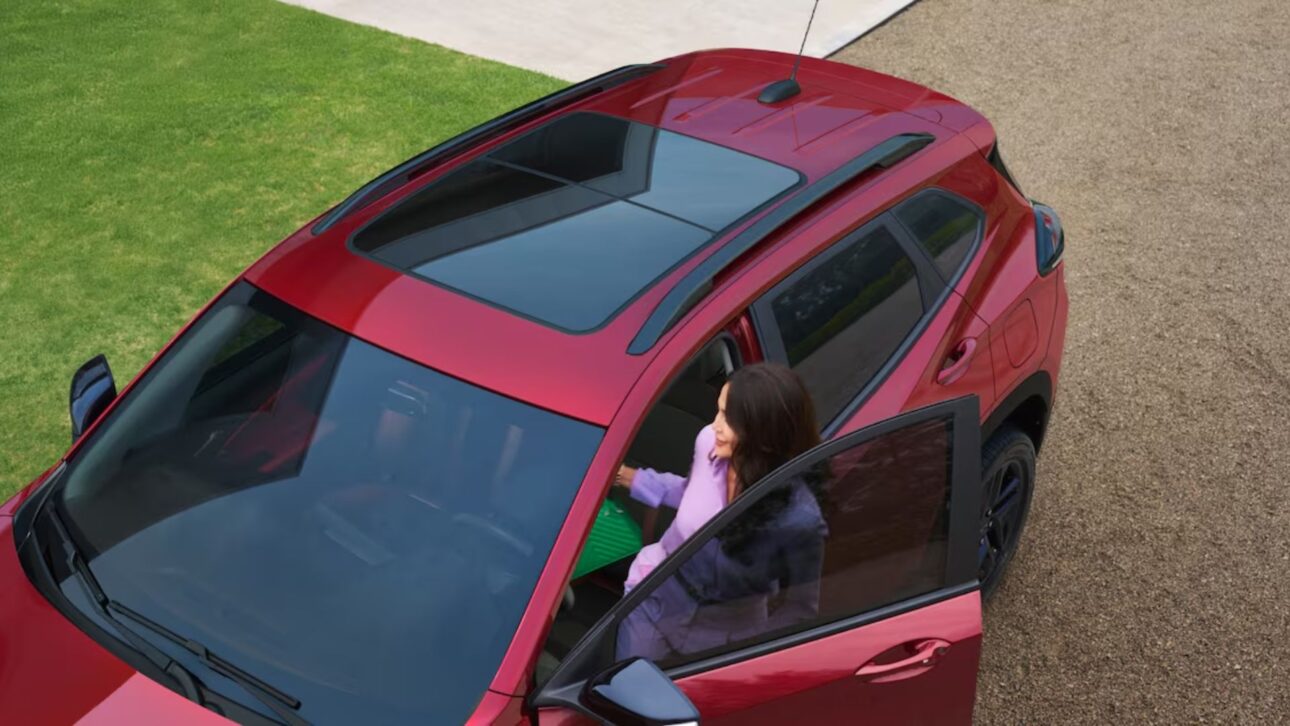
The light electric steering facilitates maneuvers and urban behavior, while the height and depth adjustable steering wheel and adjustable seatbelt help better fit the driving position.
On the other hand, the fabric seats in the lower versions do not stand out in softness, and the raised center tunnel limits space for the middle passenger in the rear seat.
As for the 393-liter trunk, the volume accommodates small families, but some competitors offer greater capacity.
With a 2.57 m wheelbase, the rear space is sufficient for two adults, although the third person travels with restrictions.
Oil-Bathed Belt: What Changed
A sensitive topic for GM’s three-cylinder engines, the oil-bathed timing belt received a new rubber formulation, touted as more resistant to wear from inadequate maintenance.
As part of the response to the reputational crisis, Chevrolet extended warranties and established revalidation procedures for the component, in addition to adopting a reinforced part in newer cars.
In the 2026 Tracker, the manufacturer started to advertise a five-year warranty for the vehicle, while specific initiatives cover inspection and replacement of the kit according to network protocols.
The use of the correct oil and timely maintenance remain crucial for durability.
Equipment and Safety in the LT Version
In the evaluated LT configuration, the digital dashboard and the 11” center enhance the user experience, with a simple interface and wireless pairing.
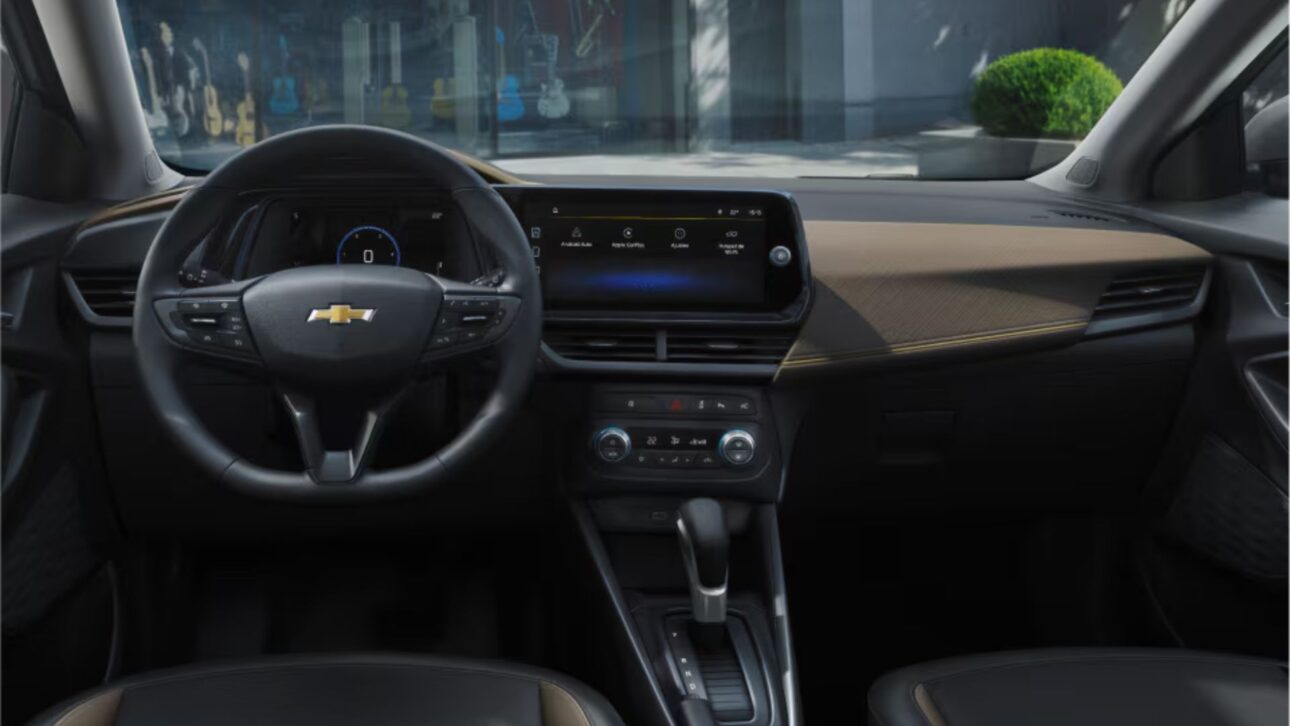
It includes a rearview camera, rear parking sensors, and a keyless entry with push-button start, in addition to six airbags and stability and traction controls as standard items.
However, the interior still features predominantly hard plastic, limiting the sense of refinement.
Price, Positioning, and Cost-Benefit
With prices unchanged from 2025 and calibration aimed at achieving more favorable tax parameters, the 2026 Tracker attempts to compensate for the power loss with equipment, connectivity, and a 5-year warranty.
The decision on cost-benefit will largely depend on whether the model effectively makes it to the zero IPI list and how dealerships pass on any reductions.
Until then, the 1.0 turbo package performs well in urban routines, although the delay in turbo engagement requires the driver to adjust to take-offs.
For those who value extensive connectivity, scheduled maintenance, and a long warranty, the “less is more” calibration makes sense; for those prioritizing performance and top fuel consumption, direct comparisons with T-Cross, Nivus, and Creta remain essential.
In daily use, what weighs more: the savings promised by the new tax framework or the reduction in power that was made to achieve it?