






 Portuguese
  Spanish
  4 min of reading
  0 comments


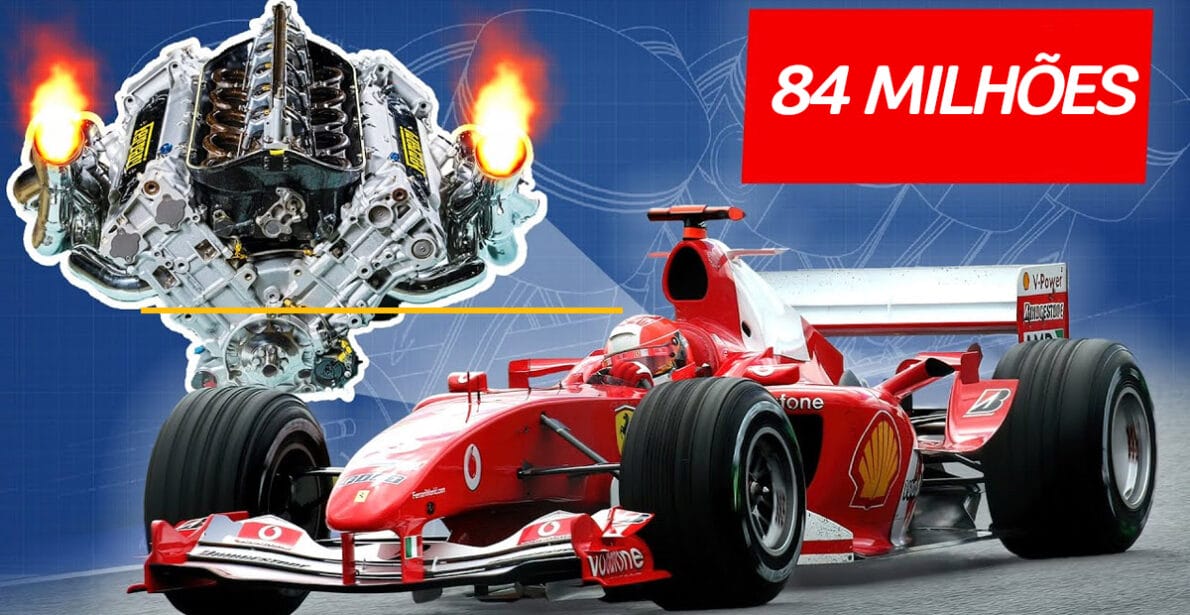
Formula 1 Engines Are More Than Just Machines; They Are Technological Masterpieces That Cost Fortunes. Find Out What Makes Them the Most Expensive and Advanced Components in Motorsport.
They roar on the tracks, leave the crowd in ecstasy, and are the true stars of the speed show that is Formula 1. We are talking about the engines, these colossi of modern engineering that propel cars to over 300 km/h and represent the pinnacle of technological innovation.
But how much does a Formula 1 engine cost? The answer might surprise you: over 84 million reais. Yes, that’s right! But why this astronomical price? Let’s explore the secrets and technology behind these mechanical masterpieces.
According to industry experts, the exorbitant cost of a Formula 1 engine, which can exceed the mark of 84 million reais, is the result of a combination of factors.
-
Chinese Giant Uses Metal Structures and Cranes to Deliver Over 700 Electric Cars to Brazil

-
Uber Faces Shareholder Scrutiny as Board Accused of Ignoring Safety, Compliance, and Harassment Warnings Amid Over 3,500 U.S. Lawsuits

-
Ferrari’s First Electric Car Divides Fans, Priced at $630,000, Amid Concerns Over Limited Editions; Brand Clarifies It’s Not Just for Future Perks
-
BYD Dolphin Mini: The Electric Car That Defies Depreciation, Losing Only 3.58% in a Year and Becoming the Best-Selling Retail Model Under $22,000


The incessant research for improvements, the need to meet strict regulations, the use of ultra-light and durable materials, and the continuous investment in cutting-edge technology contribute to this impressive value.
What Makes Formula 1 Engines So Expensive?
- Research and Development
A large part of the cost lies in the investment in research and development. Formula 1 teams invest millions to continuously improve engine performance, efficiency, and reliability.
Each team has dedicated R&D departments to discover new technologies, which are often kept under absolute secrecy to gain a competitive edge on the track. According to industry sources, this investment can easily exceed 20 million dollars per season.
- Advanced Materials
Formula 1 engines utilize exotic and expensive materials, such as titanium alloys and carbon fiber composites, which are necessary to reduce weight and increase strength.
These materials are chosen for their ability to withstand extreme temperatures and severe mechanical stress. According to manufacturers’ data, the use of high-tech materials significantly increases production costs, but it is essential to ensure superior performance on the track.
- Specialized Labor
Building a Formula 1 engine is not a task for just anyone. Highly skilled engineers and specialized technicians work hundreds of hours to assemble and adjust each component with millimeter precision. These professionals are sourced from the best in the world and, naturally, their salaries reflect this level of expertise.
- Cutting-Edge Technology
Formula 1 engines are equipped with cutting-edge technology, including energy recovery systems (ERS) and advanced electronic control units.
These systems are fundamental in optimizing fuel consumption and improving energy efficiency, critical aspects in a sport where every millisecond counts. The complexity and sophistication of these systems further increase the overall cost of the engine.
The Main Components and Their Costs
- Engine Block
The heart of a Formula 1 engine is the block, where combustion occurs to generate power. Manufactured with ultra-light and durable materials, its cost can reach millions.
Every detail is designed to minimize weight and maximize power, requiring a level of precision that drives up the manufacturing process costs.
- Turbocharger and ERS
Modern Formula 1 engines are turbocharged and equipped with energy recovery systems (ERS), which are crucial for improving energy efficiency.
These components not only enhance engine performance but also add significant costs to its construction.
- Exhaust and Cooling Systems
With extremely high operating temperatures, Formula 1 engines require efficient exhaust and cooling systems.
These systems are designed to maintain the engine at its ideal operating temperature, preventing overheating and catastrophic failures, all at a high cost.
The Impact of the Spending Cap
The introduction of the spending cap in Formula 1, which limits teams to a maximum budget of 140 million dollars per season, has brought additional challenges.
This measure aims to level the playing field and control the astronomical costs of the sport. However, according to experts, this has impacted how teams manage their investment in engines, forcing them to find a balance between innovation and budget.
Challenges and Future Innovations
Even with the spending cap, the quest for innovations does not stop. Teams are constantly exploring new technologies and strategies to gain a competitive edge.
Among the future trends is the development of sustainable fuels and more efficient hybrid technologies. As pointed out by industry analysts, these innovations could redefine the sport and change the way we understand high-performance engines.
Thus, it is evident that Formula 1 engines represent the pinnacle of engineering and automotive innovation, justifying their high price. The combination of advanced research, cutting-edge materials, and specialized labor makes these engines true technological works of art. With the continuous evolution of the sport, we can only expect these engines to become even more sophisticated and efficient.
Do you think the investment in Formula 1 engines is worth the astronomical price, or should there be more control over costs? Leave your opinion in the comments!


Be the first to react!