





 Portuguese
  English
  Spanish
  5 min of reading
  0 comments


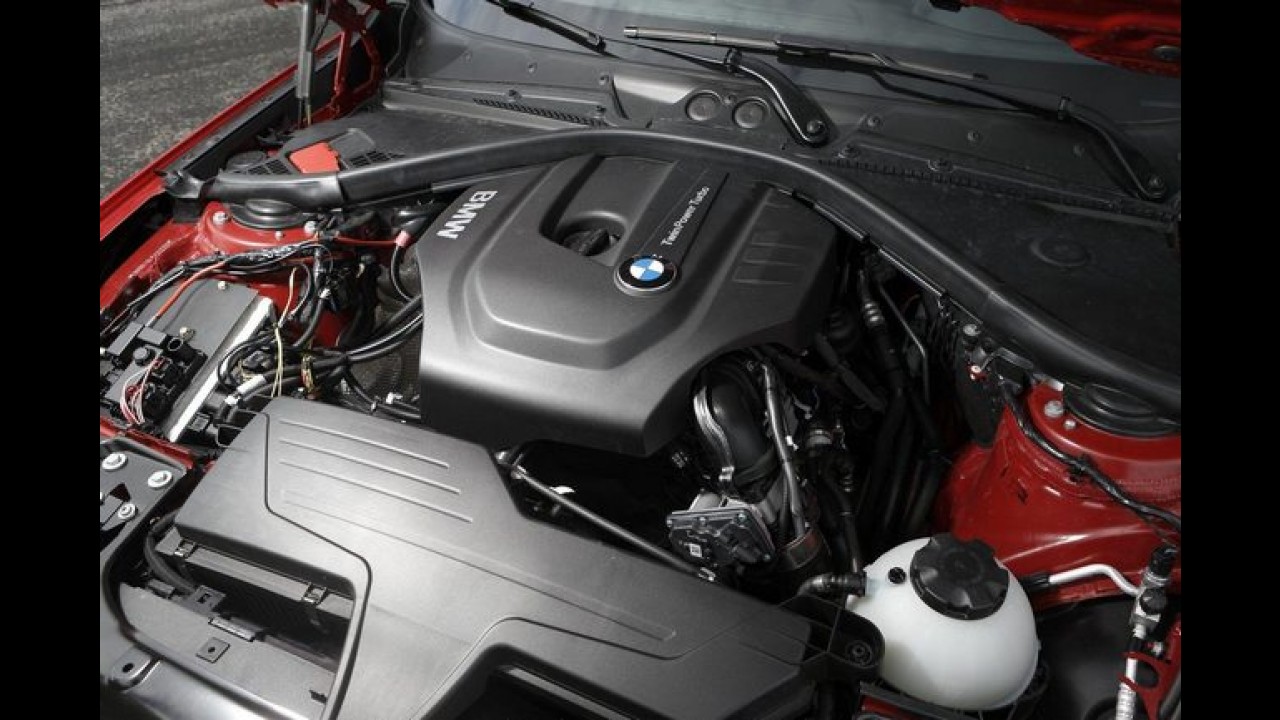
Understand How Engine Displacement Reduction Allied to Turbo Use Is Changing the Performance and Consumption of Modern Cars. See Pros and Cons of the Trend of Small Engines That Promise Power and Economy in Day-to-Day
In recent years, a significant change has been happening in the automotive industry: engines are getting smaller while delivering more power. This trend, known as engine downsizing, promises efficiency, performance, and economy. But does this solution really pay off in daily use? Today we will understand what is behind this transformation, its advantages, disadvantages, and what the driver needs to consider before investing in a car with a compact and turbocharged engine.
What Is Downsizing and Why Has It Become So Popular?
Engine downsizing consists of reducing the displacement and the number of cylinders of the engine, allied to the use of technologies such as turbochargers and direct fuel injection to maintain or even increase power. In other words, it is about doing more with less.
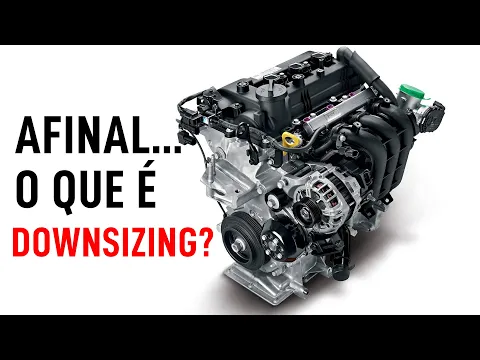

This concept gained strength especially after the 2010s, driven by stricter environmental legislation in Europe and the United States, requiring lower emissions and greater energy efficiency. The idea is to reduce fuel consumption and CO₂ emissions without sacrificing vehicle performance.
-
New Jeep Scrambler SRT resurfaces with a 6.4 Hemi V8 engine producing 470 hp, rear seats that rotate 180°, a cabin for four occupants, and a removable roof in a project planned for 2030.

-
Cheaper than a Kwid, this Japanese sedan offers a giant 482-liter trunk, a 1.6 flex aspirated engine, automatic CVT transmission, and six airbags; the Nissan Versa Sense is ideal for those who prioritize interior space, comfort, and affordable maintenance costs.

-
Ford Fiesta, a car loved by Brazilians, may return: project involves partnership with Renault, over 400 km of range, versions above 220 hp, and five new models
-
Military uses cardboard to approve Jeep in vehicle inspection in Japan after failing due to a difference of only 3 centimeters


How Do Smaller and More Powerful Engines Work
The key to the success of smaller and more powerful engines lies in the combination of modern technologies. For instance, 1.0-liter engines with three cylinders have started being equipped with turbochargers, resulting in performance similar to or superior to older 1.6-liter or even 2.0-liter naturally aspirated engines.
Direct injection also allows for a more precise and efficient combustion of fuel, while electronic valve control and optimized cooling systems ensure greater durability and performance under varied conditions.
Turbo Downsizing Advantages: Economy, Performance, and Sustainability
Among the main advantages of turbo downsizing, the following stand out:
- Reduced Fuel Consumption: Smaller engines have less internal friction and require less energy to operate, contributing to savings.
- Low Emissions: By burning less fuel, they emit less CO₂, helping manufacturers meet environmental goals.
- Better Performance: The use of a turbo provides high torque at low RPMs, which translates into faster accelerations and efficient pick-ups.
- Reduced Weight of the Powertrain: The smaller engine is lighter, which also contributes to the overall efficiency of the vehicle.
Models like Chevrolet Onix, VW Polo, and Fiat Pulse with 1.0 turbo engines have stood out in this aspect, showing that a 1.0 turbo car is worth it in many cases.
The Challenges and Limits of Downsizing
Despite the promises, the consumption of downsized engines can be disappointing in certain situations. This happens because, although more efficient in test cycles and moderate driving, these turbocharged engines tend to consume more under severe use — such as in heavy traffic or when fully loaded.
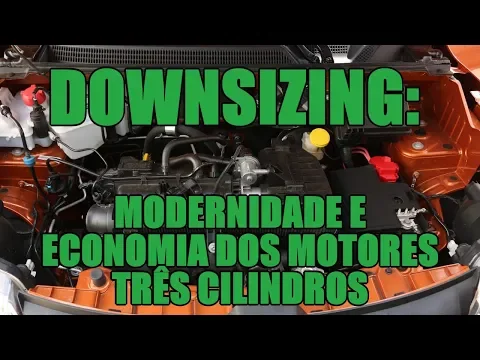
Additionally, there are issues related to durability. More complex components, like the turbo, require more careful maintenance and may incur additional long-term costs. Another relevant point is the driving feel, which may not please those who prefer a more linear operation, typical of naturally aspirated engines.
Downsizing in Brazil: Reality or Promise?
In the Brazilian market, engine downsizing became a reality mainly after 2015, with the arrival of models like the Ford EcoSport 1.0 EcoBoost and later, the VW TSI. Since then, practically all major manufacturers have adopted smaller turbo engines.
However, Brazil presents particularities that challenge the efficiency of this technology. Ethanol, a common fuel in the country, is not always utilized effectively by turbo engines designed for gasoline. Additionally, the quality of fuel and the high cost of specialized maintenance still worry many consumers.
Is It Worth Investing in a 1.0 Turbo Car?
The answer depends on the driver’s profile. If you prioritize fuel economy, mostly drive in urban areas, have regular maintenance, and value modern technologies, then a car with a small turbocharged engine may be ideal.
On the other hand, if you tend to travel frequently, regularly transport loads or passengers, or prioritize durability and simple maintenance, perhaps a traditional naturally aspirated engine would be more suitable.
In recent comparative tests conducted by Quatro Rodas and Autoesporte, models like the Fiat Pulse 1.0 turbo and the Volkswagen T-Cross showed superior performance in acceleration and urban consumption when compared to naturally aspirated versions — but also revealed higher consumption in highway use with a full load.
The Small Engine Trend: Is It Here to Stay?
The trend of small engines is directly linked to global sustainability goals and technological advancements. It is unlikely that this strategy will be abandoned anytime soon, as it allows manufacturers to meet environmental requirements while simultaneously reducing production costs.
Alongside this trend, the number of hybrid and electric vehicles is also increasing, which may further reinforce the use of compact engines as part of mild hybrid systems, optimizing the balance between performance and efficiency.
What Do Experts Say?
Studies from the SAE (Society of Automotive Engineers) indicate that downsized engines with turbo provide real gains in standardized test cycles, but the benefit strongly depends on driving style. Inmetro, through the Brazilian Vehicle Labeling Program (PBEV), also highlights improvements in the efficiency of turbo models in their consumption classification.
Manufacturers like Toyota, Volkswagen, and Stellantis continue to invest heavily in this technology, while European countries maintain incentives for electrification and emission reductions, favoring more compact and technological engines.
Downsizing Is Beneficial, but Requires Attention
The strategy of producing smaller and more powerful engines represents an important advancement in modern automotive engineering. When well applied, these engines offer economy, performance, and a lower environmental impact.
However, for the average consumer, it is essential to evaluate their type of use, maintenance conditions, and long-term costs before deciding on a model with turbo downsizing. In many situations, a 1.0 turbo car is worth it, but it is best to do a test drive, analyze real consumption, and compare alternatives.
The future points toward increasingly integrated solutions between efficient combustion engines, electrification, and vehicle intelligence. In this scenario, the consumption of engine downsizing will remain a central theme for those seeking economy without giving up performance.





Be the first to react!