Portuguese
  Spanish


Treehouses in Okinawa, Japan, are part of a sustainable resort that combines luxury accommodation and respect for nature.
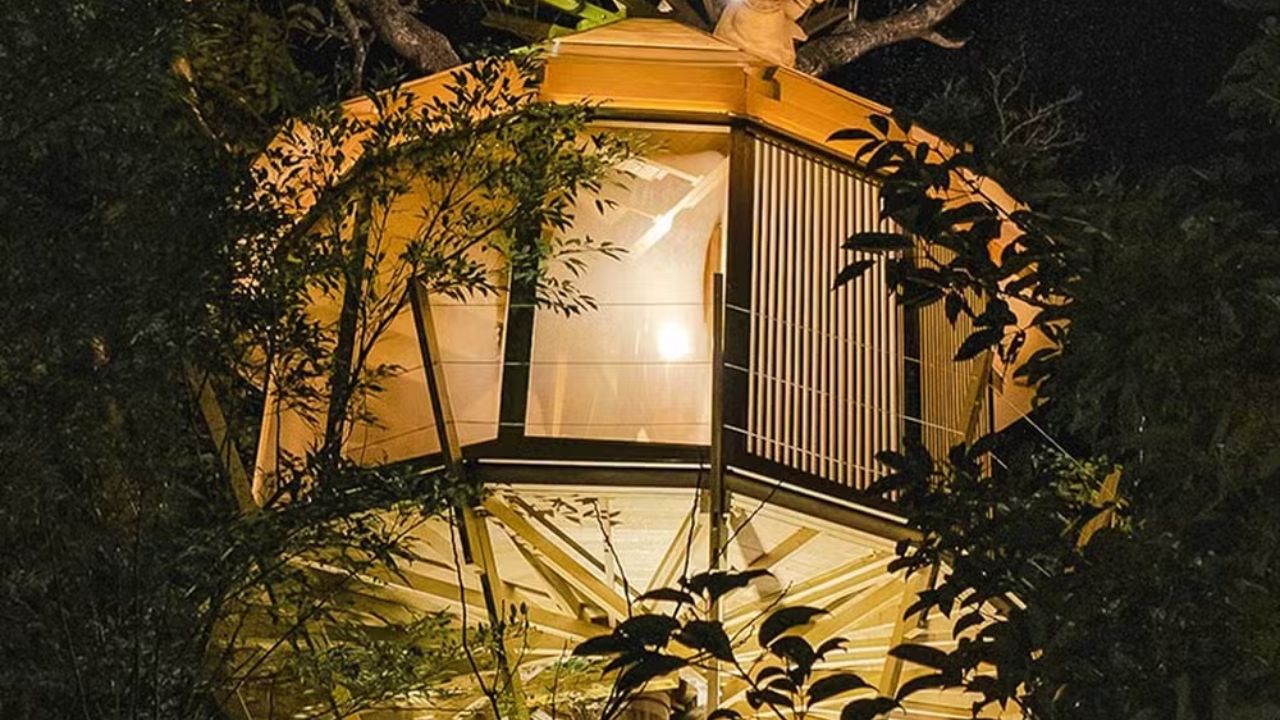
A tourist venture located in the Okinawa province, Japan, has been attracting attention for offering a unique experience: accommodation in treehouses built in the middle of the forest. The complex, known as Treeful, was created with a focus on sustainability and seeks to balance comfort, contact with nature, and low environmental impact.
Conceived by entrepreneur Satoru Kikugawa, the project took over a decade to come to fruition. Currently, the resort features four structures suspended among the trees and welcomes visitors interested in a unique experience amidst the natural environment.
How did the Treeful treehouses come about?
According to Casa Vogue, the history of the venture began 12 years ago when the development of the concept that would give rise to the resort started. The first unit of the complex, called Spiral Treehouse, was completed in 2014.
-
Two-Bedroom Home Built in a 40-Foot Shipping Container Delivered and Ready for Same-Day Living in São Paulo Countryside

-
China Constructs Artificial Island 32 km Offshore for Yangshan Port, Connected to Shanghai by 32 km Bridge, Unloading 3,000 Containers in 20 Hours
-
China’s $70 Billion River Diversion Project, the World’s Largest, Moves 44.8 Billion Cubic Meters Annually, Crosses Under the Yellow River, and Displaced 330,000 People
-
Indian Driver Spends 14 Years Digging 10-Meter Tunnel Through Mountain to Connect Isolated Village to the World





Despite this, the space only officially began operations in 2021, after years dedicated to expanding the structure and improving the project. All constructions were planned to cause the least possible impact on the forest area where they are installed.
Sustainability is present in every detail
One of the resort’s differentiators is the solutions adopted to reduce environmental interference.
In the AeroHouse, for example, parts of the floor and ceiling were produced with fragmented wood, allowing natural light to enter the indoor environments.
Additionally, the rooms feature composting toilets, a technology that reduces environmental impacts associated with conventional waste disposal.
Other initiatives include:
- Use of well water sterilized by ultraviolet light;
- Elimination of the need for chlorine in water treatment;
- Utilization of branches and stones naturally found in the forest for decoration;
- Constructions designed to preserve the natural surroundings.
Modern comfort amidst nature
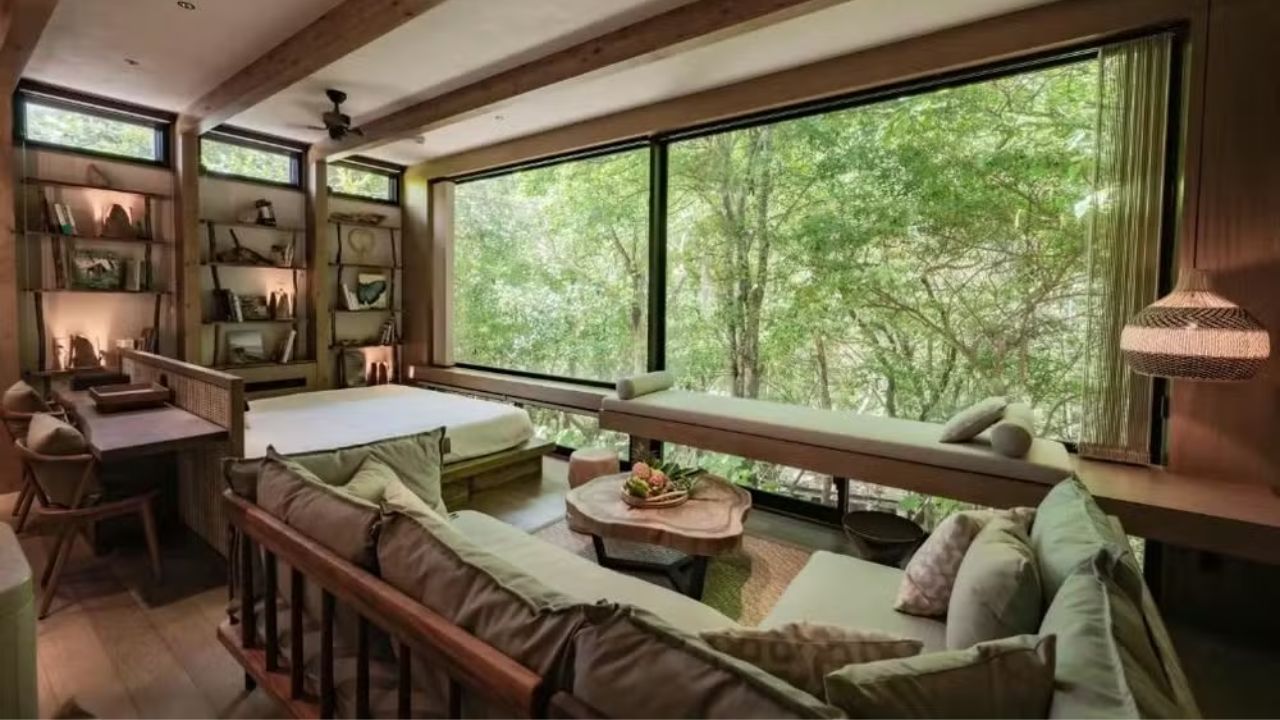
Although the proposal is strongly linked to environmental preservation, guests find various amenities typically associated with conventional hotels.
The accommodations offer features that ensure comfort during the stay, including air conditioning, hairdryer, minibar, water heater, and microwave.
The rooms also have flush toilets, showing that the sustainable concept does not compromise on practicality for visitors.
Tree houses gained international recognition
The project gained prominence after its inauguration and received awards related to the innovative concept of accommodation.
Furthermore, the resort earned a mention in the Guinness World Records for housing the tree house considered the lowest in the world.
The record-holding structure is positioned just 3.6 meters from the ground, a feature that caught the attention of the organization responsible for the famous record book.
How much does it cost to stay in one of the houses?
The experience offered by Treeful is part of the luxury tourism segment. To book a stay, visitors need to shell out at least 2,150 dollars, equivalent to approximately R$ 11,000 at the current exchange rate. This amount corresponds to two nights at the resort.
Being located in a preserved natural area, the establishment issues an important warning to guests. The management informs that the presence of insects and spiders may occur due to the location of the accommodations amidst the vegetation.
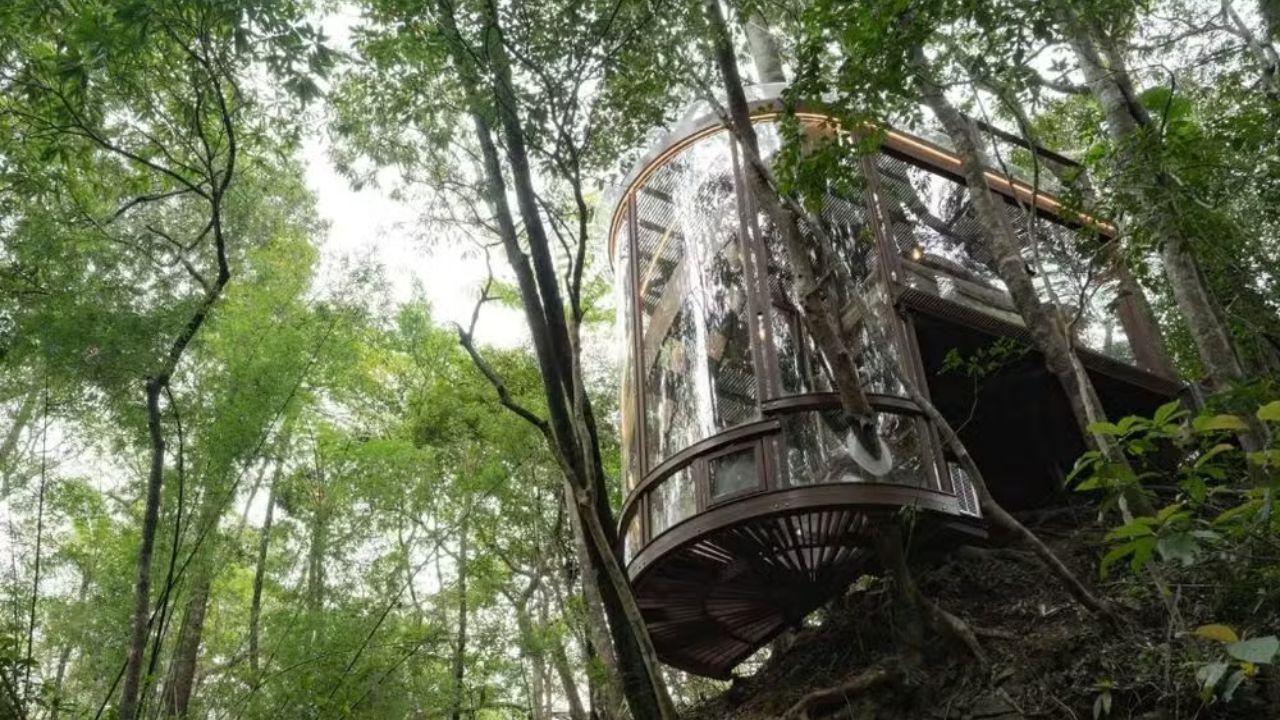
For this reason, people who have arachnophobia — a condition characterized by an intense fear of spiders — are advised to carefully evaluate the accommodation before making a reservation. The proposal of Treeful demonstrates how tourism projects can combine high-standard infrastructure with practices aimed at environmental preservation.
By investing in tree houses integrated into the natural landscape, the resort has created an accommodation alternative that values the forest while offering comfort to visitors. The result is a model that seeks to unite tourism, sustainability, and immersive experience in one of Japan’s most well-known natural settings.
Source: Casa Vogue