






 Portuguese
  Spanish


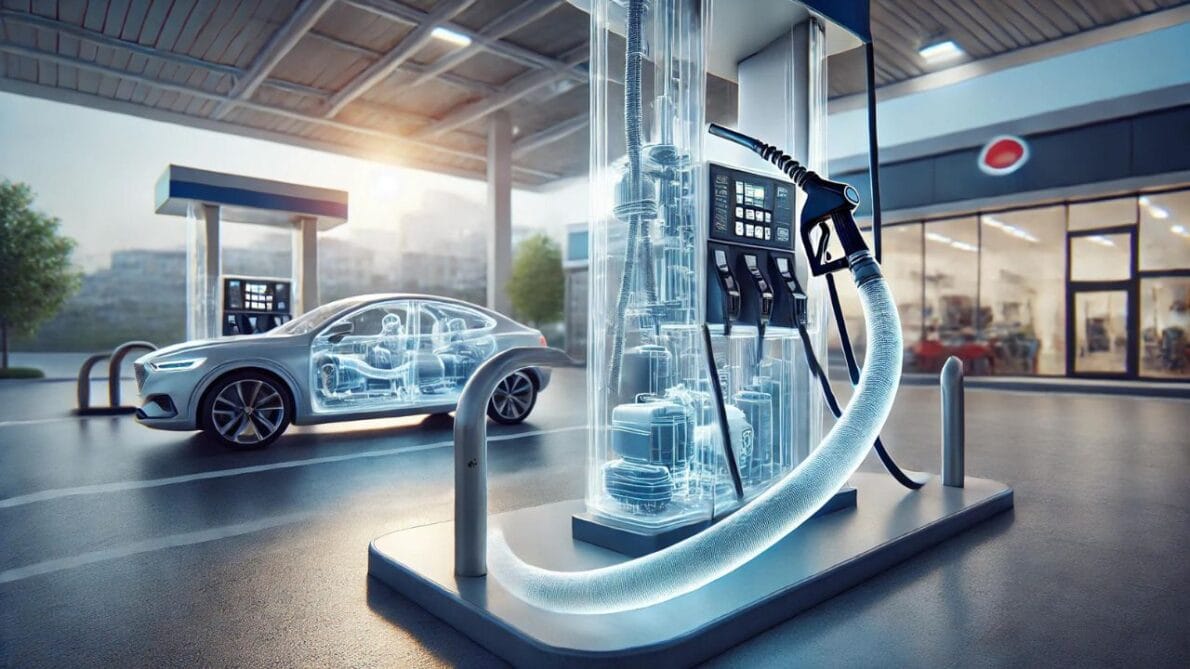

New Gas Station Law Promises To Cause Significant Changes At Ipiranga, BR, Shell, And More
A new law is coming into effect at gas stations and promises to change the lives of Brazilian drivers. Giants like Ipiranga, BR, Shell, and more are under scrutiny due to this prohibition aimed at bringing more transparency and safety when refueling. See all the details below.
At the end of 2023, a new law was announced, and it is already creating buzz among drivers and gas station owners. The new gas station law aims to implement a drastic change: the mandatory use of transparent hoses at fuel pumps. And the major players in the sector, such as Ipiranga, BR, Shell, and more, will have to adapt.
New Gas Station Law
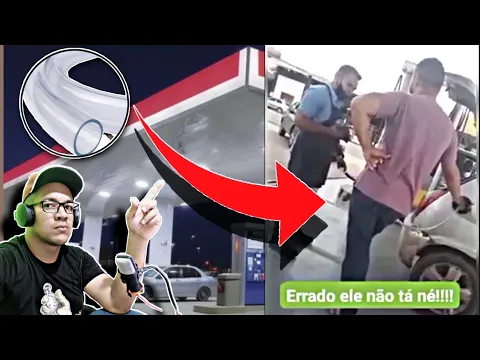

The idea behind this new gas station law is quite clear. According to Congressman Jeferson Rodrigues (Republicanos-GO), author of Bill 3325/23, the proposal seeks to allow consumers to clearly see the type and amount of fuel being pumped into their tanks. This aims to prevent fraud and ensure more honest and transparent service.
-
End of an era in Brazil: beloved sedan by Brazilians is discontinued despite having a 2.0 engine with 151 hp, CVT transmission, 466-liter trunk, and up to 650 km of range.

-
New Law Proposal in Brazil Could Heavily Penalize Drivers: Dangerous Overtaking May Become a Serious Offense with Fines Increased Tenfold and a 12-Month License Suspension; Update on 2026 Progress

-
Electric Revolution: Watts W125 Motorcycle Offers 160 km Range, 90 km/h Speed, and Affordable Price Starting at $3,000
-
General Motors Replaces Over a Thousand Workers with 50 Cobots at Electric Vehicle Plant, UAW Union Criticizes Move Amid Industry’s Automation Push


According to the proposal, if this new gas station law is approved, gas stations will have a period of 180 days to replace the current hoses with transparent versions. Those who do not comply may face hefty fines ranging from R$ 10,000 to R$ 100,000, and may even face suspension or revocation of their operating license.
Measure Is Being Analyzed
And it doesn’t stop there. This measure is being analyzed by the committees on Mines and Energy, Consumer Protection, and Constitution, Justice and Citizenship. In other words, there’s still a way to go before it actually becomes law. But many consumers are already eager to see this new gas station law in action, believing that it will bring more confidence when refueling their vehicles.
Ipiranga, BR, Shell, and other stations will need to prepare for this possible change. Transparency at pumps could be a significant victory for consumers but also represents a logistical and financial challenge for the stations.
While the new gas station law is still under review, the discussion is already heating up. Drivers and consumers hope that if approved, this law will bring more safety and transparency during refueling. Major players like Ipiranga, BR, Shell, and others need to stay alert and prepare for this potential revolution in gas stations.








Primeiro, essa mangueira ainda não existe com aprovação do Inmetro, segundo, uma mangueira transparente não atesta a qualidade muito menos a quantidade vendida, e terceiro e mais importante qualquer gasto extra, será repassado para o consumidor, ou se vai cair aqui na balela da Janja de que as empresas absorverão os custos de tal existência?
Você consegue saber se o volume que está passando nessa mangueira é menor ou igual ao medido na bomba? Eu não. Aquele densimetro que algumas bombas tem já deixa pelo menos uma desconfiança menor e poderia ser obrigatório em todas. Teoricamente você vê o que está sendo colocado no tanque no momento do abastecimento mas nem isso garante a qualidade.
Já sei, eles inventarão uma mangueira que só ficará transparente se o combustível for bom, caso contrário fica preta mesmo…kkkk
Amigo aquele densímetro só diz que o álcool estando dentro dos parâmetros sugeridos pelo visor ou seja as faixas vermelhas abaixo do liquido estão dentro das especificações da anp em inpm.
O ideal seria estar visível a quantidade exata que foi adequada pelo cliente ! Tipo um reservatório com as medidas exata. isso nós daria uma confiabilidade
Purz, vc descreveu as bombas manuais da década de 40/50…kkkk