





 Portuguese
  English
  Spanish
  4 min of reading
  0 comments


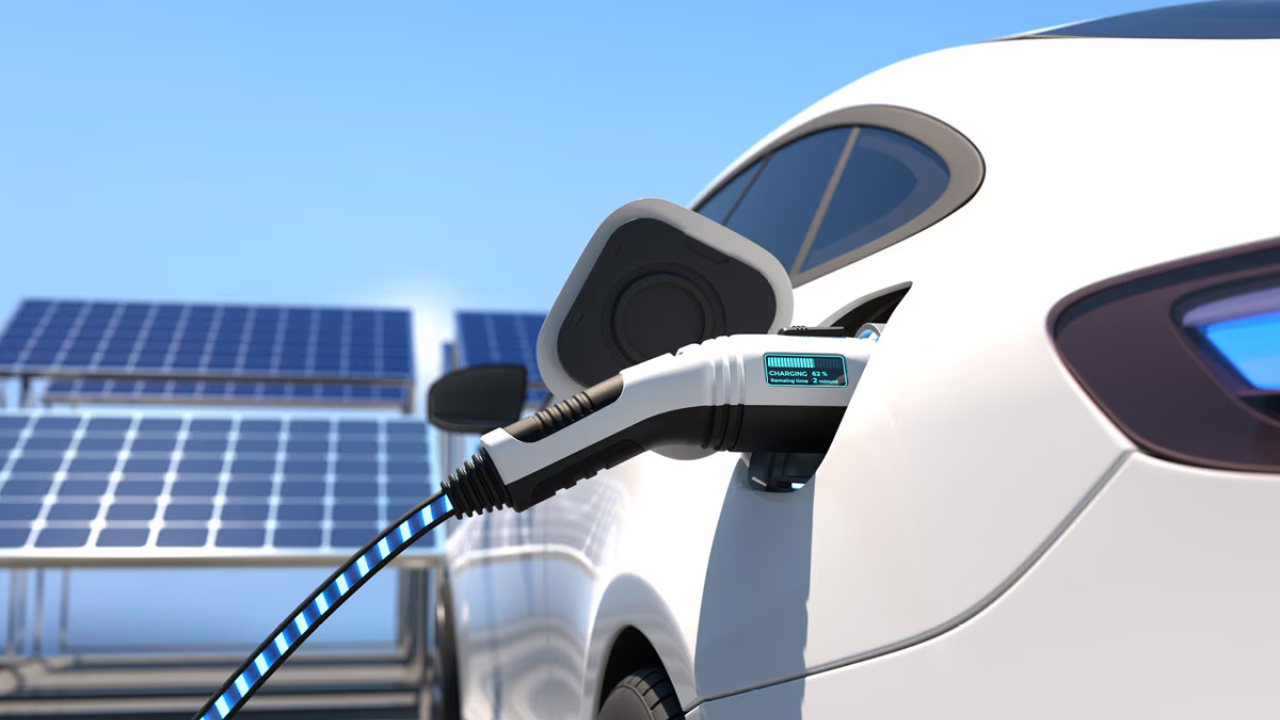
MP 1.300/2025 Can Increase the Cost of Solar Energy and Electric Vehicle Charging in Brazil, Affecting the Domestic Economy and Discouraging New Investments in the Sector.
Provisional Measure No. 1.300/2025, created with the aim of modernizing the Brazilian electric sector, has raised concerns among those investing in photovoltaic solar energy and electric mobility. Although the text brings advances by expanding the Social Tariff and revising the concession system, experts warn that the proposal may have negative impacts on the economy of residential and business consumers who generate their own energy.
The most controversial point lies in the changes related to Distributed Generation (GD), one of the pillars of clean energy in the country. The MP modifies provisions of the Legal Framework for Distributed Generation (Law No. 14.300/2022) and expands the power of the National Electric Energy Agency (Aneel) to establish fixed tariffs, creating fear of a new “Sun Tax.”
Understand the Threat Behind the “Sun Tax”
The measure proposes adjustments to the charging model for energy generated in homes, businesses, and condominiums with solar panels, directly interfering with the compensation of credits for energy injected into the electricity grid.
-
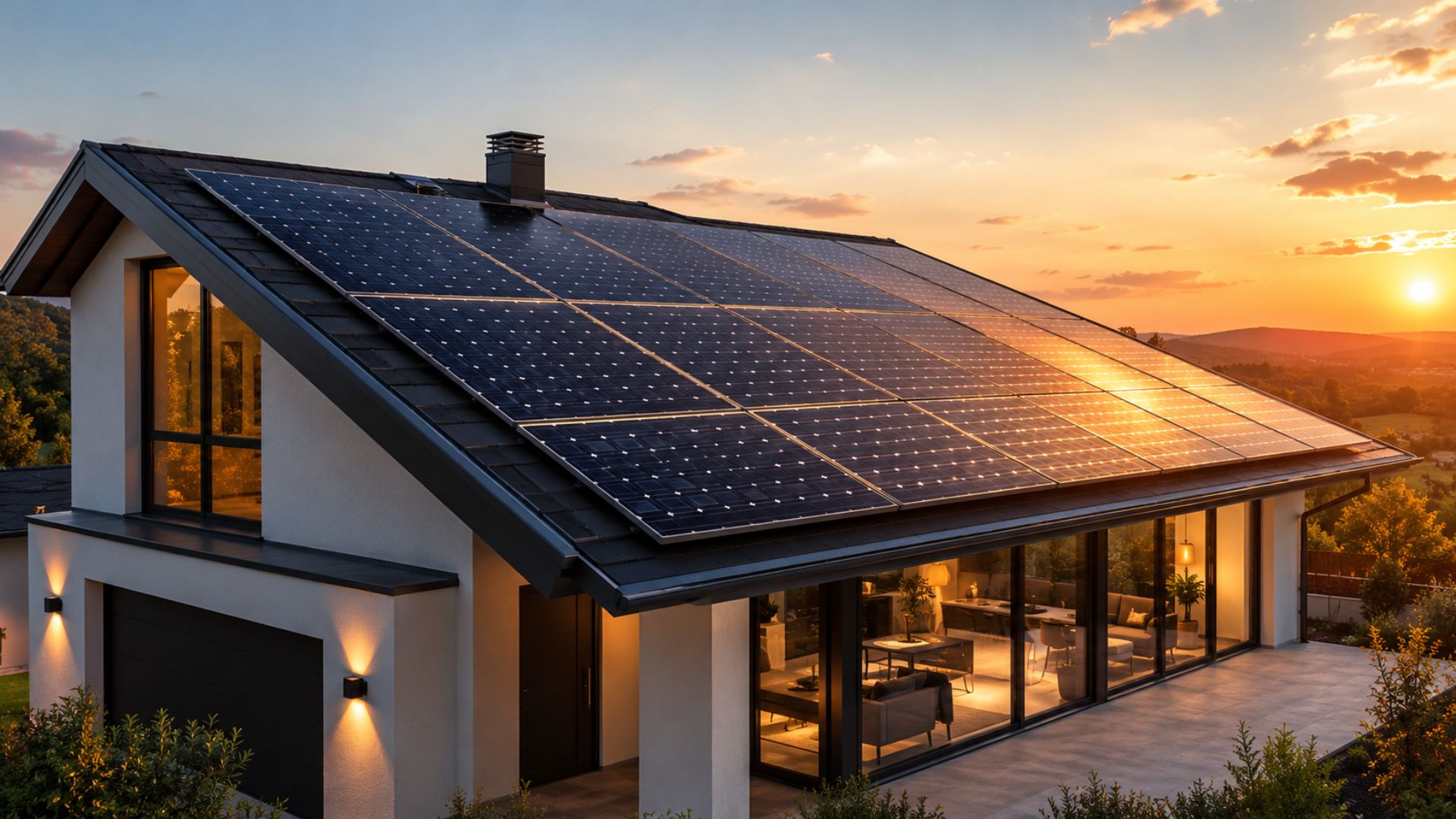
The era of solar panels attached to roofs is beginning to change with transparent glass that generates energy while keeping the view unobstructed, and perovskite photovoltaic windows already tested in offices in Japan promise to transform entire facades into invisible power plants without blocking light or altering the appearance of buildings.

-
The era of silicon alone in solar energy comes to an end with the arrival of perovskite, a material that captures a broader light spectrum, is applied as a thin film, and, together with silicon, reaches a theoretical limit of 45% efficiency in tandem modules.

-
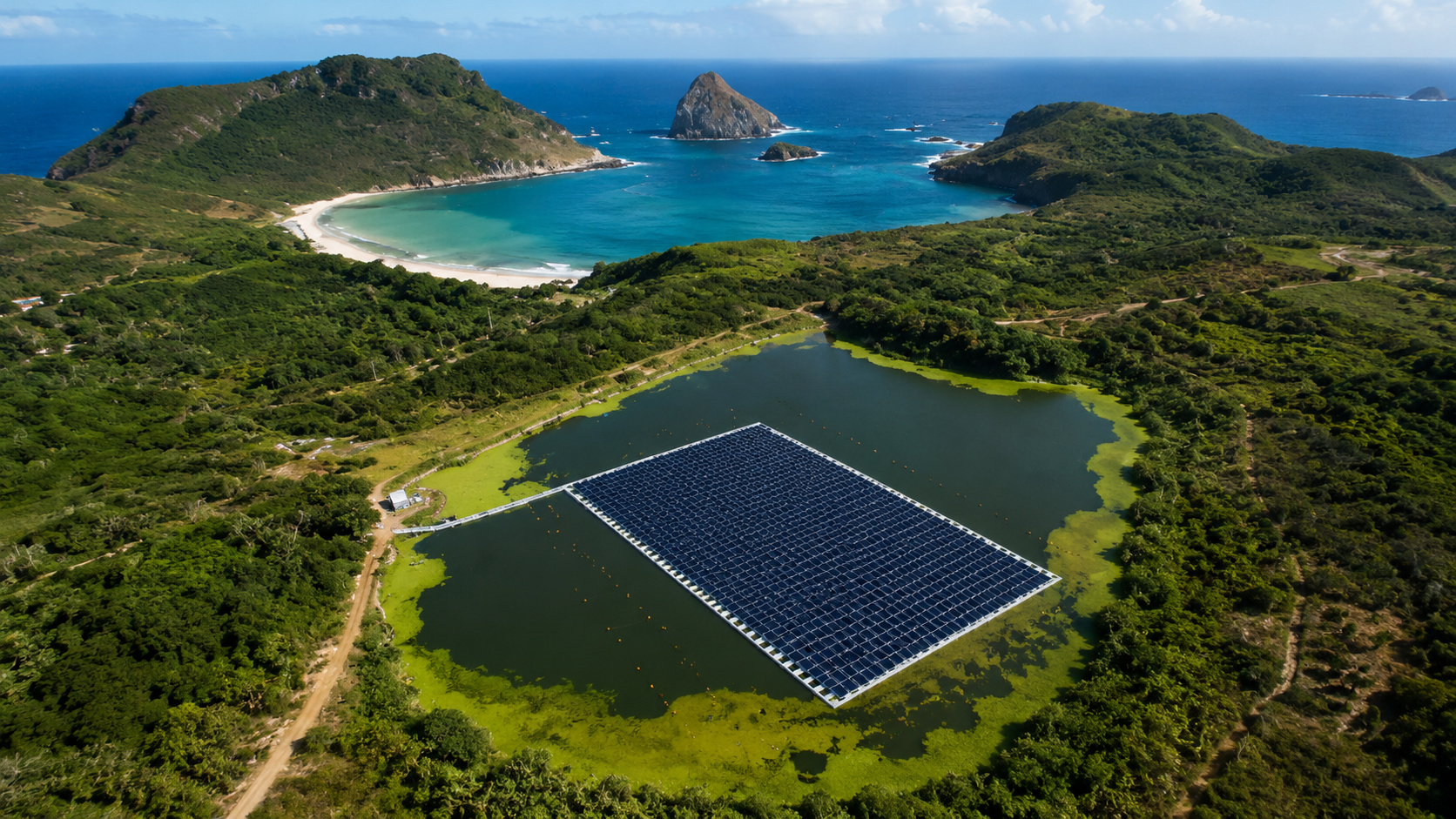
Fernando de Noronha begins unprecedented energy transformation with a R$ 350 million solar plant that promises to replace diesel generation and change the island’s sustainable future by 2027.
-
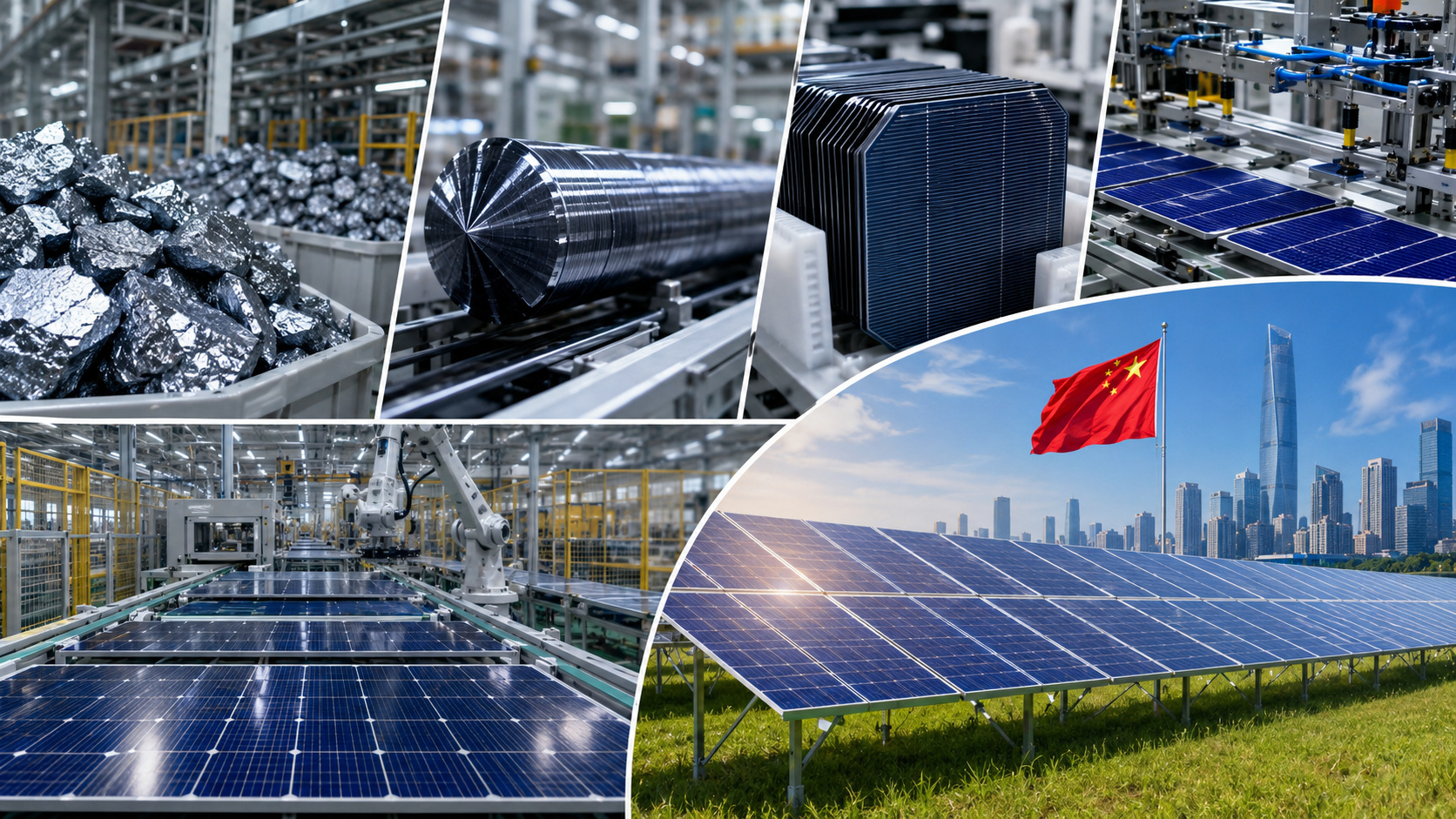
While Europe and the United States rush to save their own solar chains, China already dominates more than 80% of the global manufacturing of solar panels and has turned the sun into an industrial machine controlled by Beijing that is redefining the global energy transition.

In its initial version, the MP included the charging of Energy Development Account (CDE) Fees and the Distribution System Usage Tariff (TUSD) in full. Although part of these measures was removed after pressure from the sector, the approved text retains loopholes that allow Aneel to create new mandatory tariffs.
According to the Brazilian Association of Photovoltaic Solar Energy (Absolar), the risk is clear: if the agency has the autonomy to impose fixed charges, the consumer may lose the main benefit of self-generation, which is the reduction of the electricity bill.
Studies from sector entities indicate that if stricter rules were applied, consumer savings with solar energy could fall by up to 70%. This would extend the payback period for photovoltaic systems, discouraging new projects and stalling the growth of one of the most promising segments of the Brazilian energy transition.
Electric Vehicles May No Longer Be Advantageous with the New MP
MP 1.300/2025 also directly affects those who own electric cars and use solar energy to charge them at home. Currently, the main advantage of this model is the virtually free charging, as the electricity consumed is compensated by solar credits.
A popular electric vehicle consumes, on average, 200 to 450 kWh per month, depending on the mileage driven. Without solar energy, this usage would add R$ 170 to R$ 360 to the monthly electricity bill, considering an average tariff of R$ 0.80 to R$ 0.90 per kWh.
However, with the changes suggested by the MP, the scenario may change. If Aneel determines that the consumer must pay in full for the TUSD and the CDE even on compensated energy, the electric vehicle owner will end up paying twice: once for generating their own energy and once for using the electricity grid during charging.
This change would be enough to nullify the savings obtained from solar charging, making the investment less attractive.
Direct Impacts on Condominiums and Shared Enterprises
The impact of the MP also raises concerns for residential and commercial condominiums. Many of these enterprises invest in shared solar plants to reduce costs for common areas and to power charging stations for residents with electric vehicles.
If fixed tariffs are imposed or credit compensation undergoes changes, the maintenance cost of these systems could increase significantly. This would affect both the wallets of residents and the viability of collective projects, which have been gaining traction across the country.
The shared generation model is one of the major drivers of democratizing solar energy, allowing consumers who do not have suitable rooftops or live in apartments to enjoy the benefits of clean energy. However, the changes in the MP create legal uncertainty and discourage the sector.
The Escalation of the “Sun Tax” and the Risk of Setback
The current legislation already anticipated a gradual increase in the charging of credits from solar energy injected into the grid — a process known as the “Sun Tax” — which will reach 100% in 2029 for systems installed after 2023.
MP 1.300/2025, however, can expedite this process and include new taxes on produced energy, creating additional and unpredictable costs for consumers.
The result would be an environmental and economic setback at a time when the entire world is seeking to accelerate the transition to renewable sources.
Sector Reactions and Risk to Investor Confidence
Companies and entities related to solar energy warn that the new model brings regulatory insecurity, harming investor confidence and reducing the pace of sector expansion.
Absolar and other organizations advocate that legal stability is essential to maintain the growth of photovoltaic energy, which has already surpassed 40 gigawatts of installed capacity in Brazil, with over 2 million systems connected to the grid.
Moreover, the sector is responsible for employing more than 1 million Brazilians and moving billions in annual investments, contributing to sustainable development and the reduction of greenhouse gas emissions.
Although part of the most controversial proposals have been removed, MP 1.300/2025 still depends on regulation by Aneel, which keeps the atmosphere of apprehension. The final text approved by Congress must define the limits of the agency’s actions, especially regarding the creation of fixed tariffs and charges for those who generate their own energy.
While the solar energy and electric mobility sector awaits definitions, the debate remains intense. For specialists, the priority must be to ensure predictability, competitiveness, and legal security, without punishing those who invest in sustainable solutions that contribute to Brazil’s energy future.









-

1 person reacted to this.