






 Portuguese
  Spanish


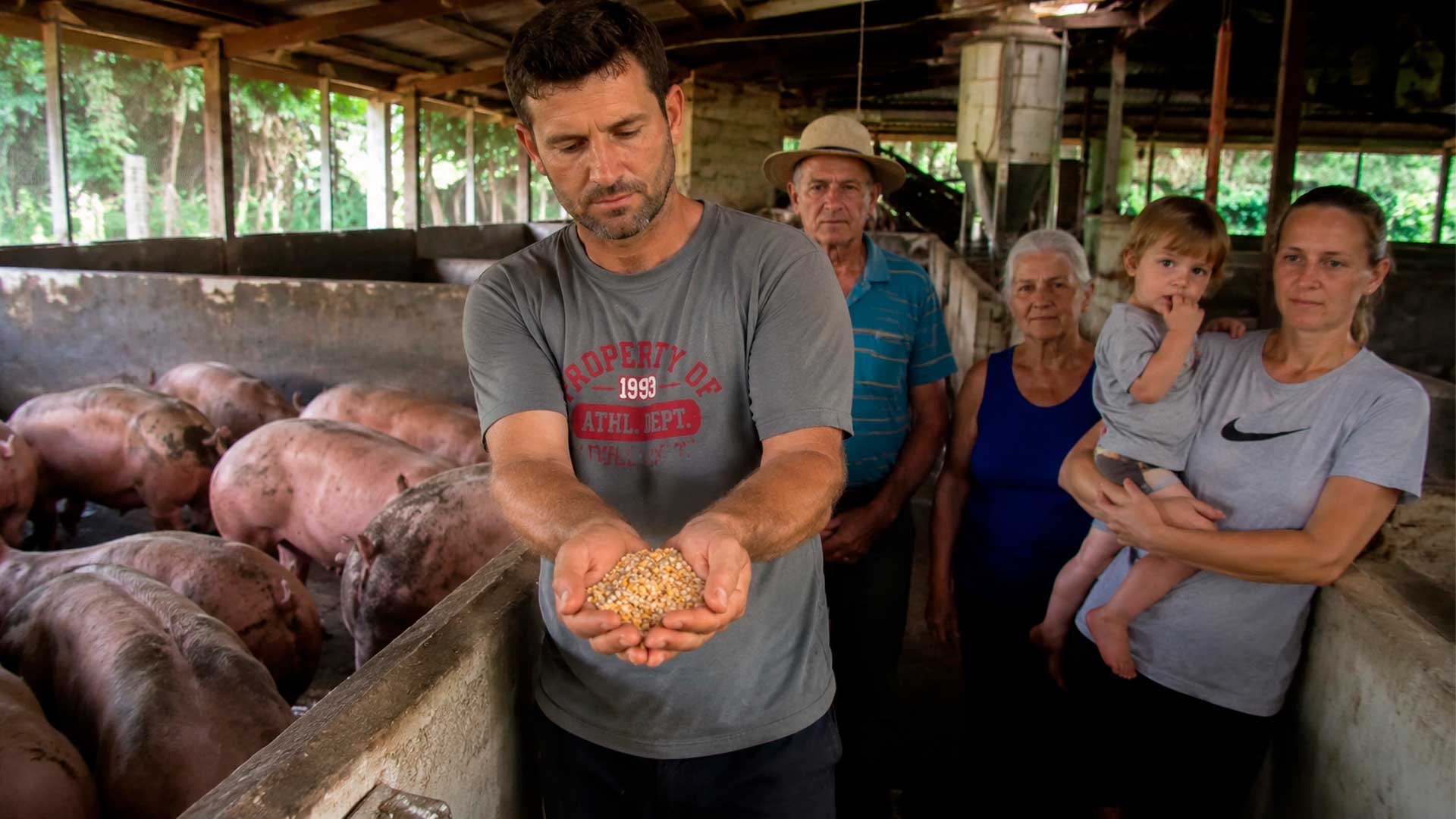


Dona Emma’s family shows how planning, rural credit, tobacco, pig farming, and family succession helped a small property grow in the interior of Santa Catarina
A rural property in the interior of Dona Emma, in Santa Catarina, became an example of family growth in the countryside by expanding from an initial base of only 7 hectares inherited to an area that now exceeds 50 hectares.
The journey is led by the Torrete family, with Mr. José, Mrs. Lorenza, children, son-in-law, daughter-in-law, and grandchildren involved in the property’s routine. The case draws attention because it goes against a common problem in the Brazilian rural environment: the departure of young people to the city.
The growth did not happen all at once. The family gradually expanded the area, bought parts from relatives and neighbors, modernized barns, invested in machinery, and diversified production with tobacco, corn, milk, and pig farming.
-
At 7 years old, boy swaps toy cars for raising bantams, dreams of becoming a veterinarian, and conquers the internet with his routine in the countryside of Santa Catarina; meet Luiz Miguel, the “Piá do Garnizé”

-
New York removed the tracks from over 2,500 subway cars and dumped everything at the bottom of the Atlantic, and what seemed like trash turned into an artificial reef teeming with fish and divers.

-
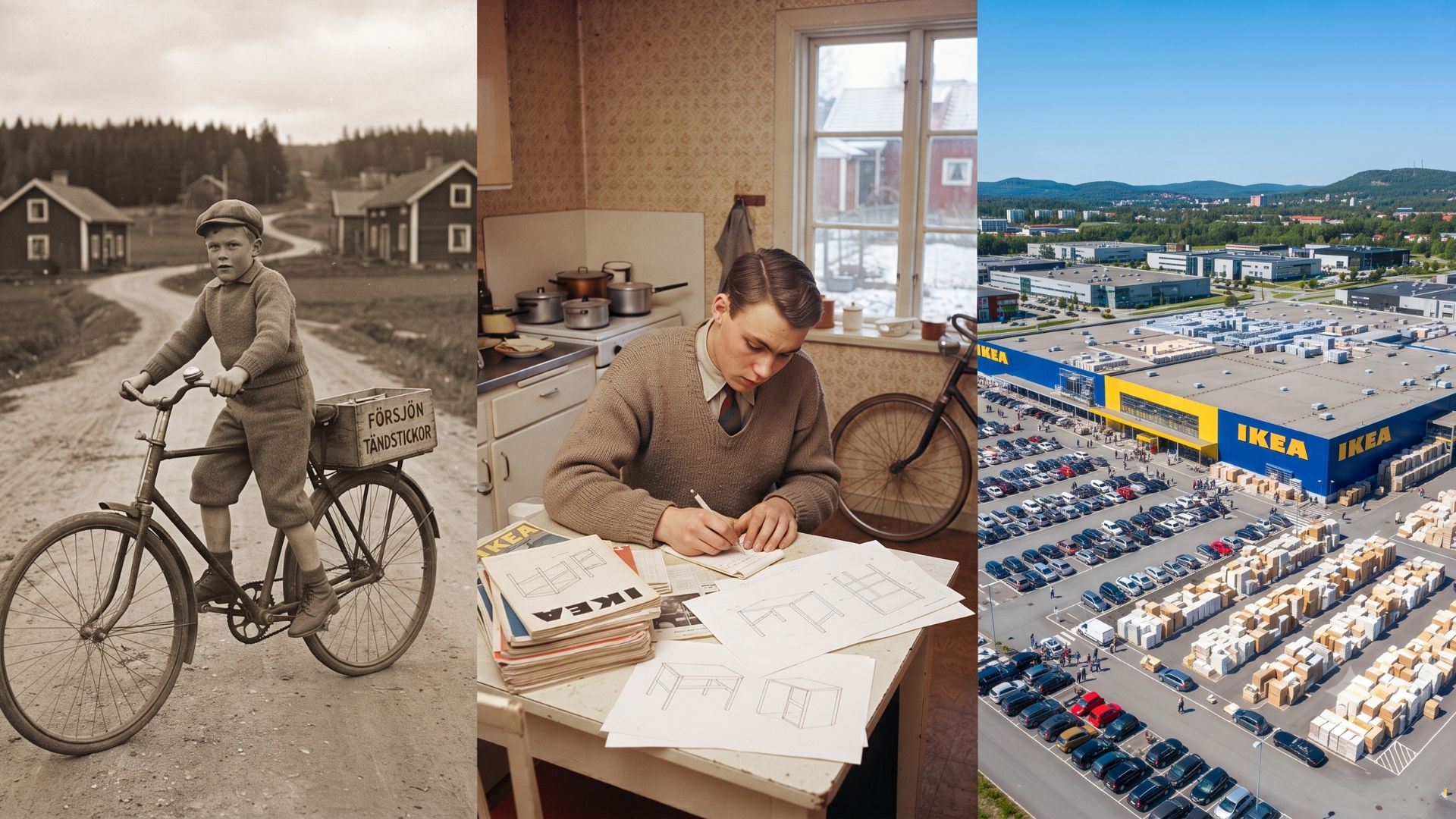
From matches sold by bicycle at age 5 to a global furniture empire: the lumberjack’s son founded IKEA at 17 in his uncle’s kitchen and transformed a small company into the largest furniture retailer on the planet.
-
The mansion in Flamengo, built in 1865 for the Baron of São Clemente and closed for 20 years, has become a spa, event hall, and gym for “Symphony,” a luxury condominium that sold 70% of its gross development value in the first month on the R$ 60 million land of the former Bennett College.



More than a story of area increase, the case shows how planning, rural credit, and family succession can transform a small property into a structured rural business, with different activities complementing each other in the same space.
From 7 hectares inherited to more than 50 hectares with area purchase and reinvestment


When he started managing the property, Mr. José worked in an area shared with his brother. The land came from the family, but the structure was simple, with a house, a basic barn, and old facilities for the cows.
Over time, the brother moved to the city, and José bought his part. Later, the family acquired neighboring lands and areas that belonged to relatives, expanding the property to over 50 hectares.
The expansion was accompanied by changes in the structure. Old facilities were dismantled, new spaces were built, and the routine, once based on simple tools and animal traction, began to include tractors, implements, and even drones for spraying.
This evolution shows a reality increasingly present in family agriculture: growing in the countryside does not only depend on increasing land but on better using the available area, integrating activities, and making investments that reduce daily bottlenecks.
Tobacco remains the main crop and supports an important part of the income
The main crop of the family is tobacco. At this time of year, land preparation and seedling care occupy a good part of the property’s routine, which keeps beds ready for planting.
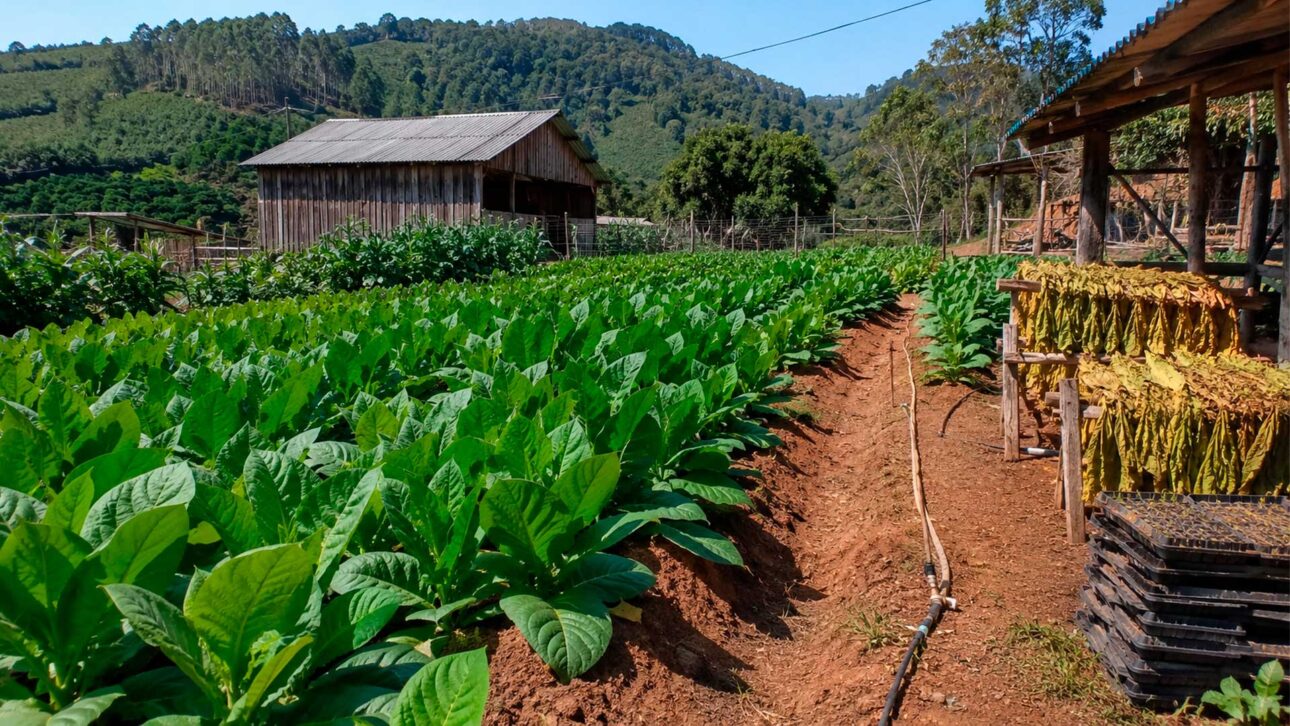
On the Torrete property, tobacco does not appear in isolation. It connects with other production fronts, such as corn and pig farming, creating a kind of internal mechanism where one activity supports another.
Despite its economic relevance, the crop also demands intense effort. The family itself recognizes that life in the countryside does not have a fixed weekend or holiday routine, as work follows the rhythm of the crops, the weather, and the animals.
Pig farming emerged as an alternative for the son and now helps fertilize the crops
The stay of the son João on the property found its own path. Since he did not have the same affinity for tobacco cultivation, he decided to invest in pig farms, expanding the diversification of the family income.
Today, there are three farms and about 3,330 pigs housed, according to data presented by the family itself. The activity has become a second economic base within the property.
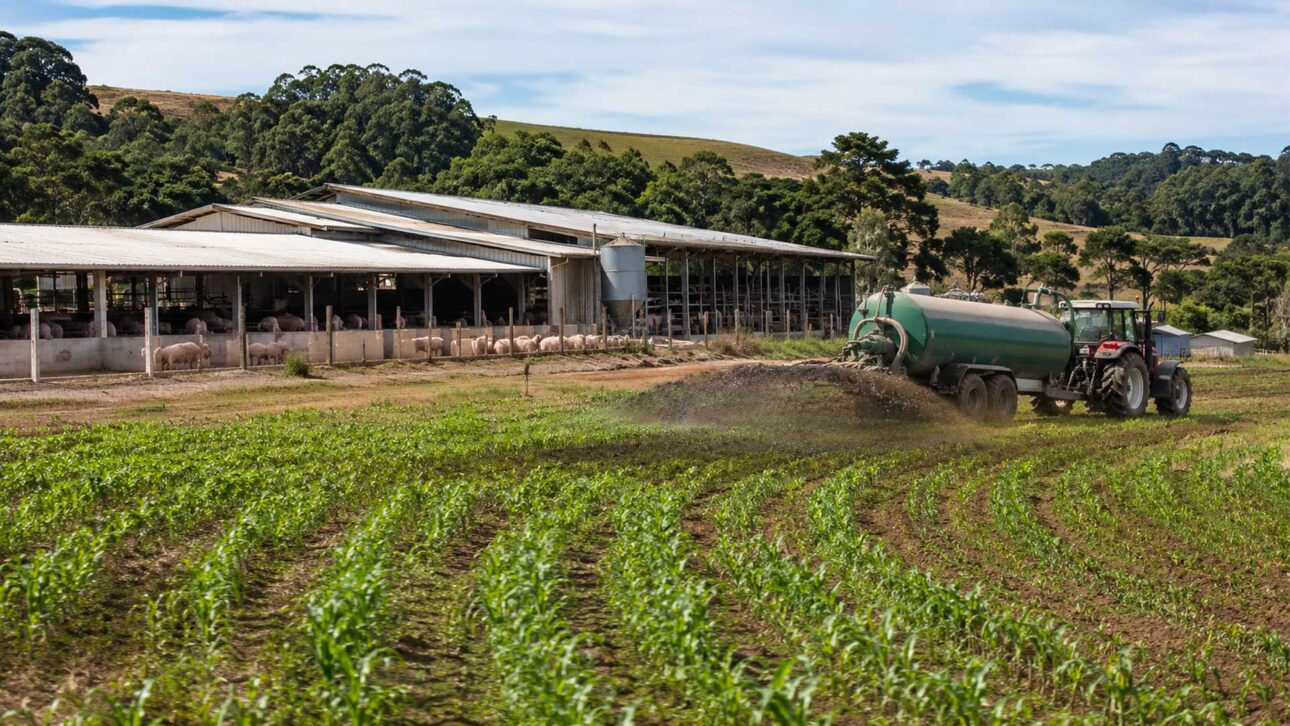
The most important point is the integration between sectors. Pig waste is used as fertilizer in tobacco and corn fields, reducing dependence on some mineral fertilizers and utilizing a waste that requires proper management.
Pig waste can generate economic gains when used appropriately in crop fertilization, but it requires a technical plan, composition analysis, soil attention, and good management practices to avoid environmental impacts.
Rural credit allowed the purchase of machines, construction of a shed, and accelerated modernization
One of the central points of the transformation was access to rural credit. The family financed implements such as a manure spreader, scarifier, harrow, lime spreader, and also a structure to store machines.
In practice, these equipments change productivity and work organization. What previously depended on manual effort or old equipment is now done faster, with better distribution of inputs and less physical wear.
The operations mentioned by the family were contracted under specific conditions of the time, with long terms and lower interest rates than those practiced in common credit. The shed, for example, was financed with a 10-year payment term, while implements had a 7-year term.
The Ministry of Finance classifies rural credit into modalities such as costing, investment, commercialization, and industrialization. In the case of properties like this, costing helps to fund the production cycle, while investment finances goods and structures used over several periods.
Technology in the field does not eliminate effort, but changes the way of working
The modernization of the property does not mean that the work has become easy. The family itself states that the farmer continues to face long hours, climate unpredictability, production costs, and difficulty in achieving better product valuation.
The difference is that today there is more control. With machines, planned credit, and technology, the producer can better calculate what to plant, how much needs to be harvested, which debts need to be paid, and where to invest.
The presence of three tractors and a spraying drone shows how the small rural property has changed in recent decades. What once started with an ox cart and a pair of oxen now includes equipment capable of increasing precision, reducing work time, and improving management.
At the same time, new requirements also appear. According to Cidasc, Santa Catarina published in 2025 biosecurity rules for technified farms, including access control, disinfection, and proper waste disposal, reinforcing that modern production needs to combine efficiency and sanitary responsibility.


