





 Portuguese
  English
  Spanish
 3 min of reading


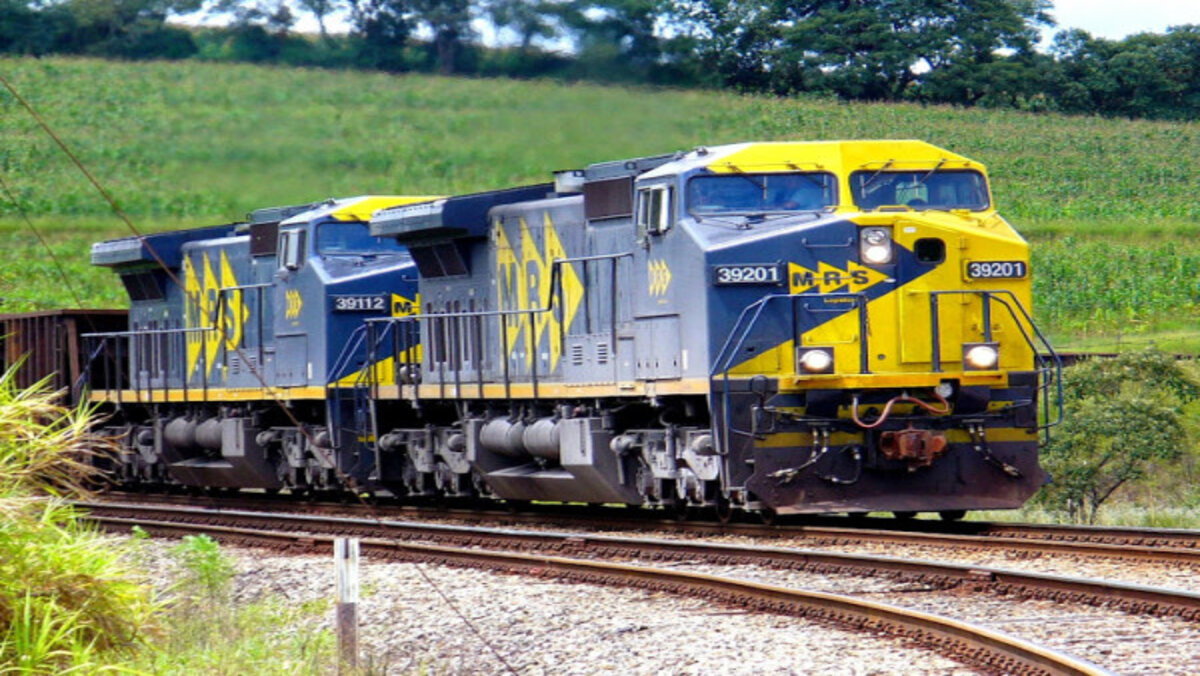
The TCU Granted Approval to the Government for the Early Renewal of the Administration Contract for the MG-RJ-SP Railway to MRS, and the Company Will Control the Network for the Next 30 Years, Focusing on Investments for Cargo Transportation
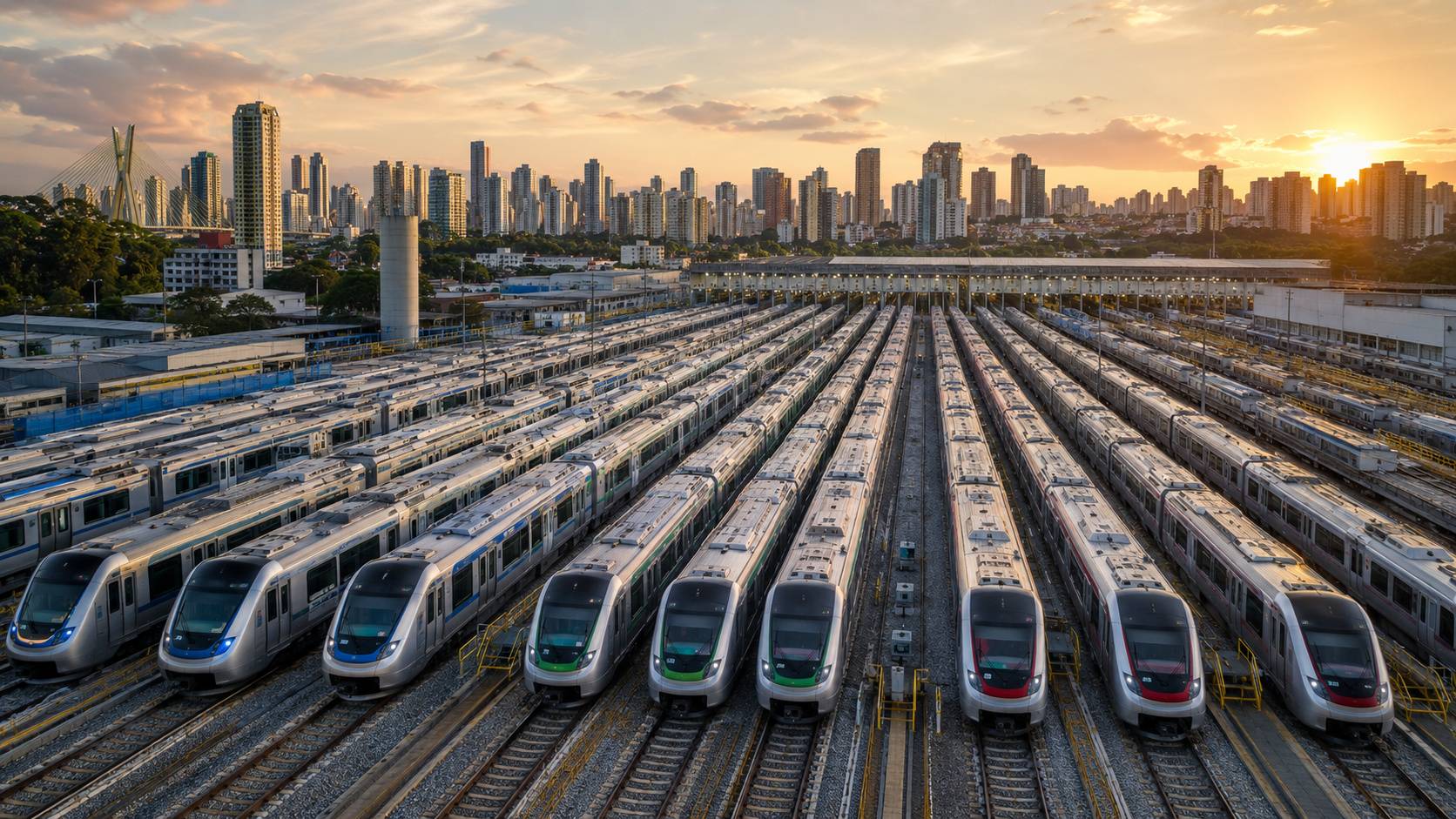
The Federal Court of Accounts (TCU) granted approval to MRS this Wednesday, (01/06), for the early renewal of the concession contract for the railway that crosses the states of Minas Gerais, Rio de Janeiro, and São Paulo. As a result, the company will manage the network for the next 30 years and invest a total of R$ 10 billion to improve infrastructure and ensure efficient cargo transportation.
TCU Approves Renewal of Concession Contract for Railway Crossing MG, RJ, and SP States to MRS Transportation Logistics Company
After a lengthy analysis of the case, the TCU finally granted the necessary approval for the government to early renew the concession contract for the 1,600 km railway network that crosses the states of Minas Gerais, Rio de Janeiro, and São Paulo, for MRS. This is one of Brazil’s main railways, as according to the logistics company itself, about 20% of the exported cargo in Brazil travels along its tracks.
With the concession contract renewal approved by the TCU, MRS will continue to manage the railway for the next 30 years. Thus, the company will embark on a long journey in the business, which started in 1996 and will last until 2056, as the contract was set to expire in 2026 but was renewed early.
-
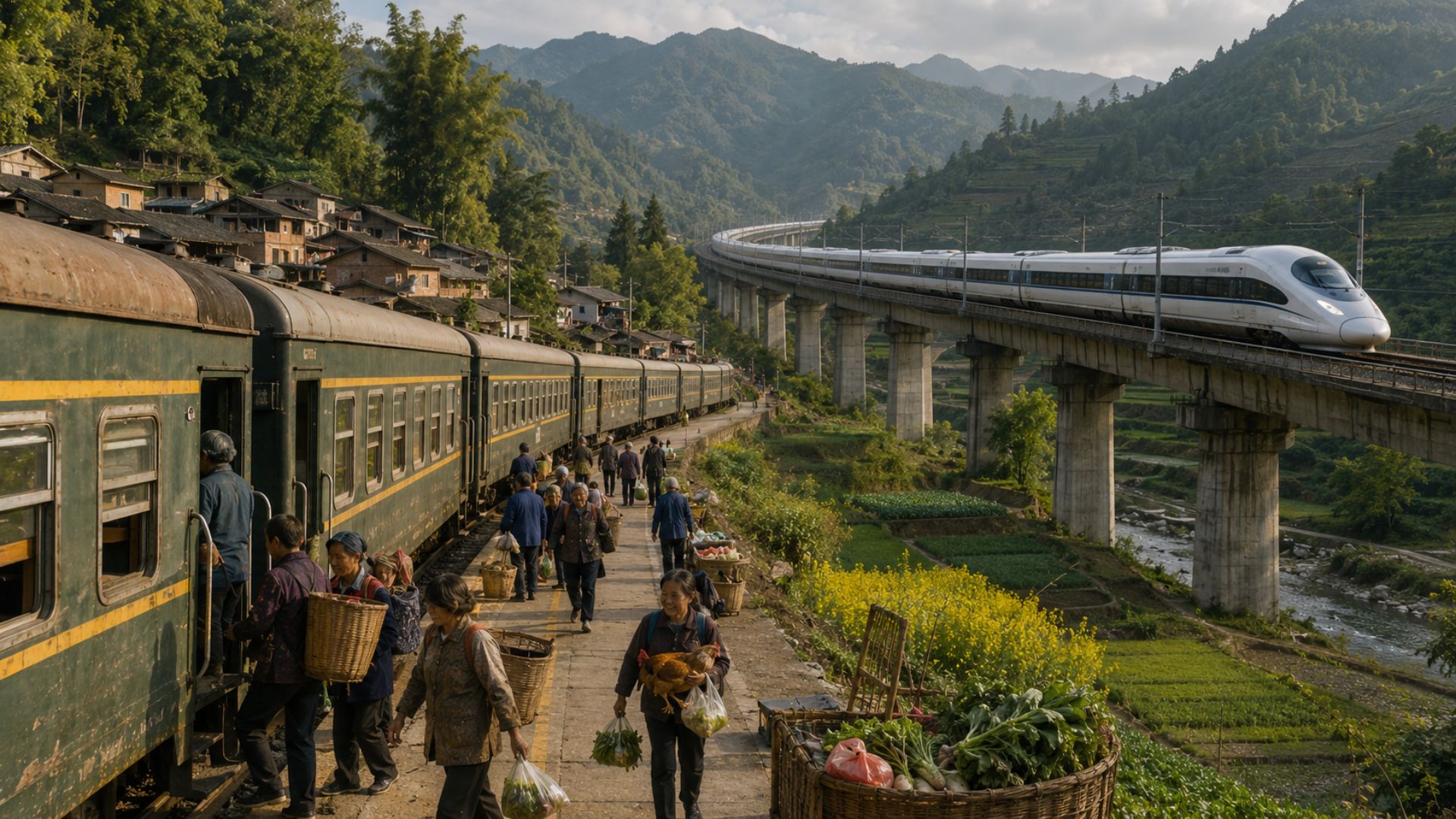
While showcasing bullet trains traveling at over 300 km/h, China maintains about 81 slow train lines that travel at 40 km/h, charge less than R$ 2 for a ticket, and cross remote villages carrying residents, students, and even chickens and vegetables to the market.

-
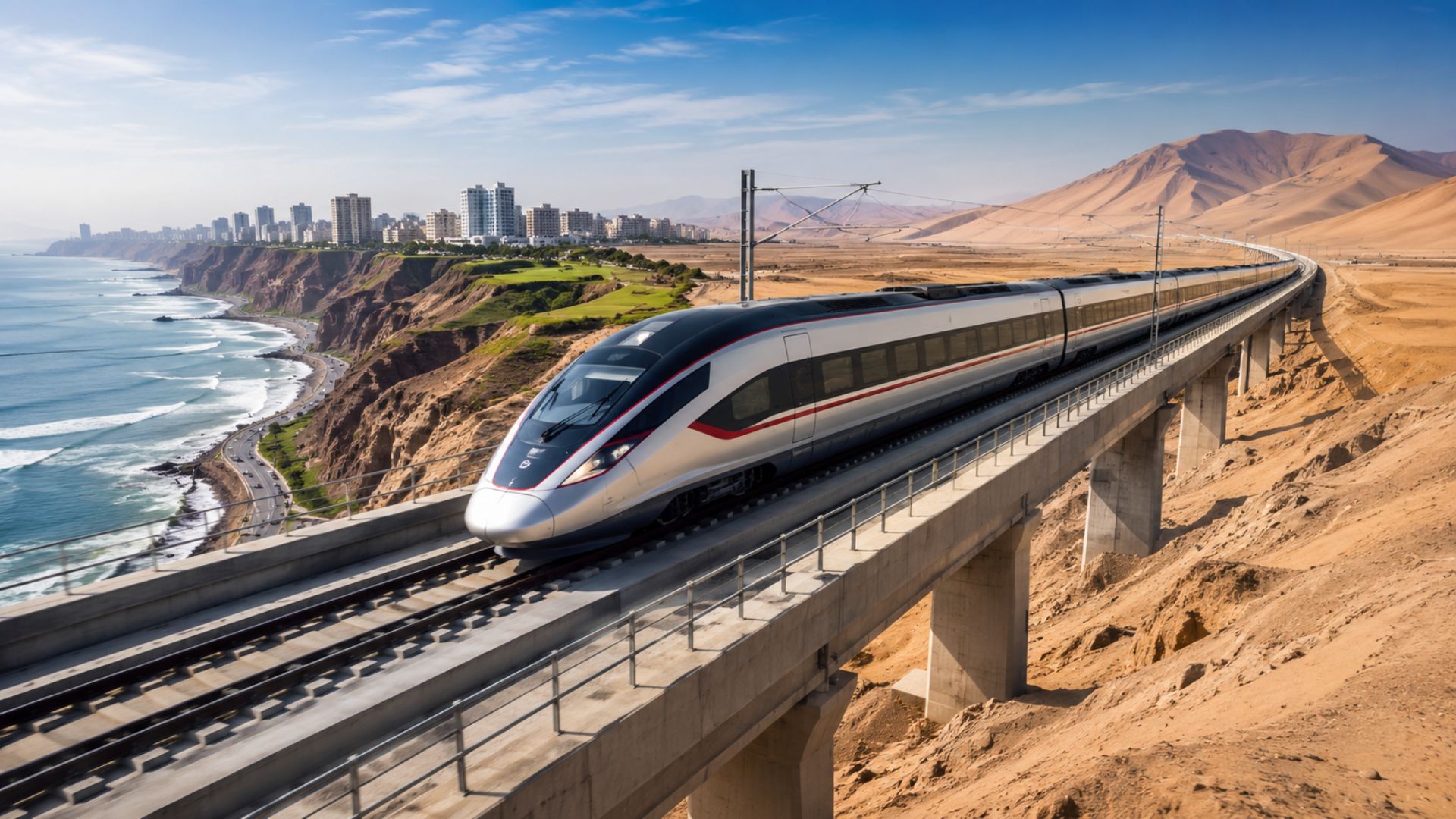
Peru plans to build, with Chinese technology and capital, what is intended to be the fastest train in South America, a high-speed line between Lima and Ica at up to 200 km/h, but the $6.5 billion project is only expected to be completed around 2032.
-
It is now official: Correios and AliExpress join forces to speed up deliveries throughout Brazil, enhance package tracking, and strengthen the digital logistics infrastructure that supports the rapid growth of e-commerce in 2026.

-
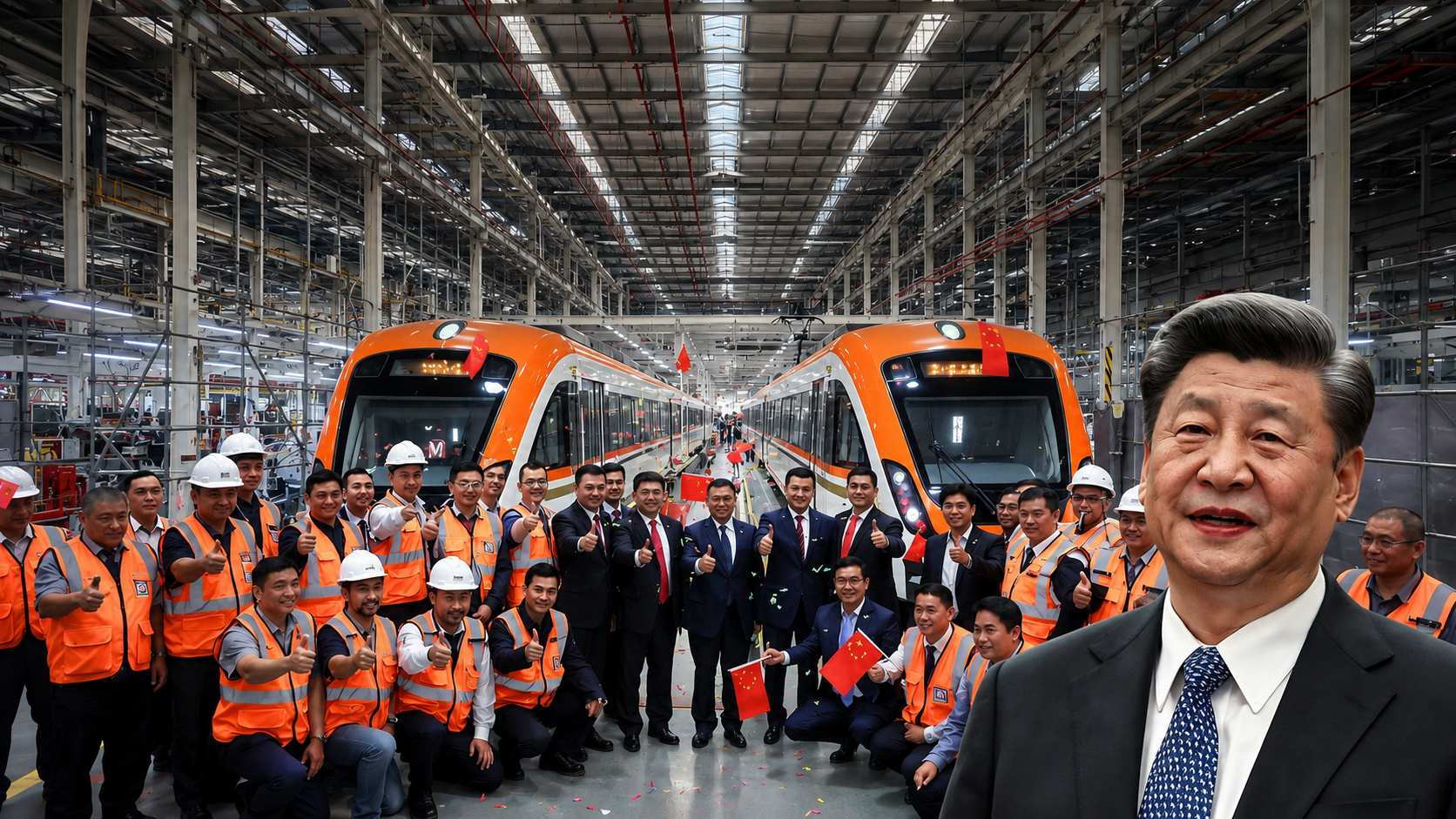
China modernizes the oldest metro line in Mexico City, taking on the renovation of 18.83 km, 20 stations, new trains, signaling, and maintenance for 19 years in one of the most crowded systems in Latin America.

The railway network is responsible for transporting cargo such as containers, steel products, cement, bauxite, agricultural goods, coke, coal, and iron ore, and is essential for the entire region among the three states.
Additionally, the renewal of the concession contract also gives MRS the responsibility to disburse a total of R$ 10 billion over the next 30 years to ensure investments in the infrastructure needed for the railway. This way, the governments of the states aim to attract even more improvements for cargo transportation in the region and relieve themselves of the responsibility for the investments that need to be made. MRS is aware of the amounts and confirmed its commitment to developing the railway network and the entire product distribution chain in the region.
With Contract Renewal, Company Will Disburse a Total of R$ 10 Billion for Infrastructure Improvements in Cargo Transport on the MG-RJ-SP Railway
The TCU case rapporteur, Minister Jorge Oliveira, highlighted that a significant portion of the R$ 10 billion investment that MRS will make in the railway will be applied to increasing the transport capacity in the region. Furthermore, works will be carried out to enhance the flow of products to the Port of Santos, one of the most important in the current port scenario, ensuring faster and more agile merchandise transport operations.
Moreover, the investment will also include a project to build 270 works distributed across 50 municipalities, to mitigate urban conflicts caused by railway traffic.
Finally, the rapporteur also made it clear that investment contributions in the railway will always be compensated through the right-of-way fee, whether upwards or downwards, as a tariff adjustment for the current project is foreseen.
Jorge Oliveira also concluded by stating that “The three concessionaires using the stretch will have to bear the necessary investments, in addition to those already included in the early renewal modeling,” regarding the infrastructure works and investments that the railway will require over the next 30 years.






Be the first to react!