






 Portuguese
  Spanish
  5 min of reading
  0 comments


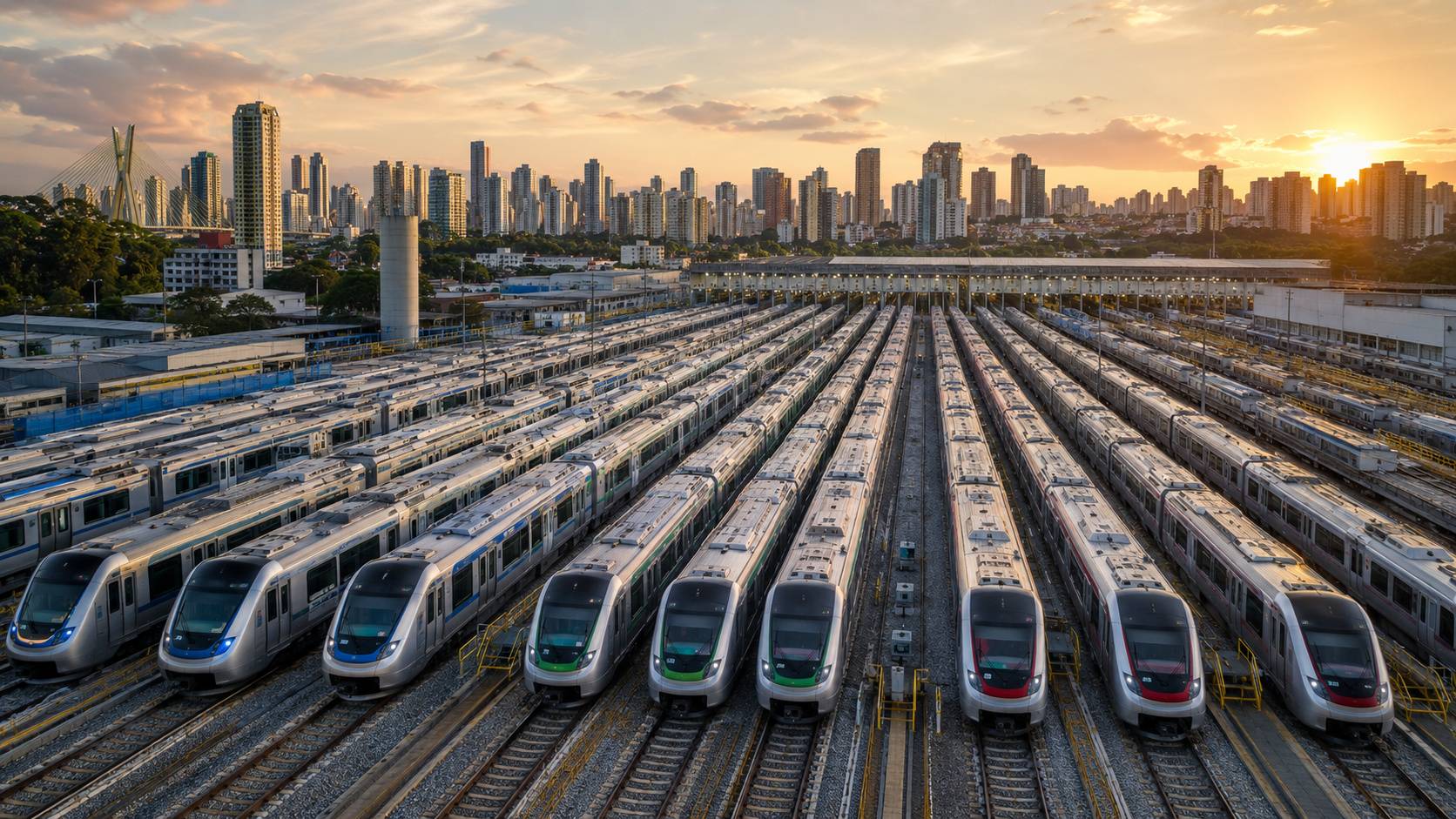
São Paulo bought 44 Chinese trains from CRRC for R$ 3.1 billion for Metro lines 1-Blue, 2-Green, and 3-Red.
São Paulo closed one of the largest recent railway renewal contracts in the country by purchasing 44 new trains for the Metro, with an investment of R$ 3.1 billion. The trains will be manufactured by the Chinese company CRRC, winner of the international bidding, and will serve the expansion of Line 2-Green, in addition to strengthening lines 1-Blue and 3-Red. The information is described on the abcdoabc portal as one of the largest investments of the century.
The central point is the strategic weight of the contract. The largest city in Brazil placed a Chinese giant at the center of the renewal of part of the country’s most important metro system, with new trains for lines that carry millions of passengers and support the daily mobility of the São Paulo capital.
São Paulo Metro bought 44 Chinese trains for R$ 3.1 billion to renew the fleet
The international contract was signed by the São Paulo Government for the supply of 44 new trains, which will be used in the expansion of Line 2-Green, from Vila Prudente to Penha, and also on lines 1-Blue and 3-Red.
-
Retired trains leave European tracks and become tons of steel, aluminum, and copper in dismantling yards where recycling exceeds 90%, but batteries, composites, and electronics create a new frontier of railway waste.

-
The strategic railway of Santa Catarina will receive R$ 608 million, will undergo historic modernization, and could transform logistics between Mafra and the Port of São Francisco do Sul.
-
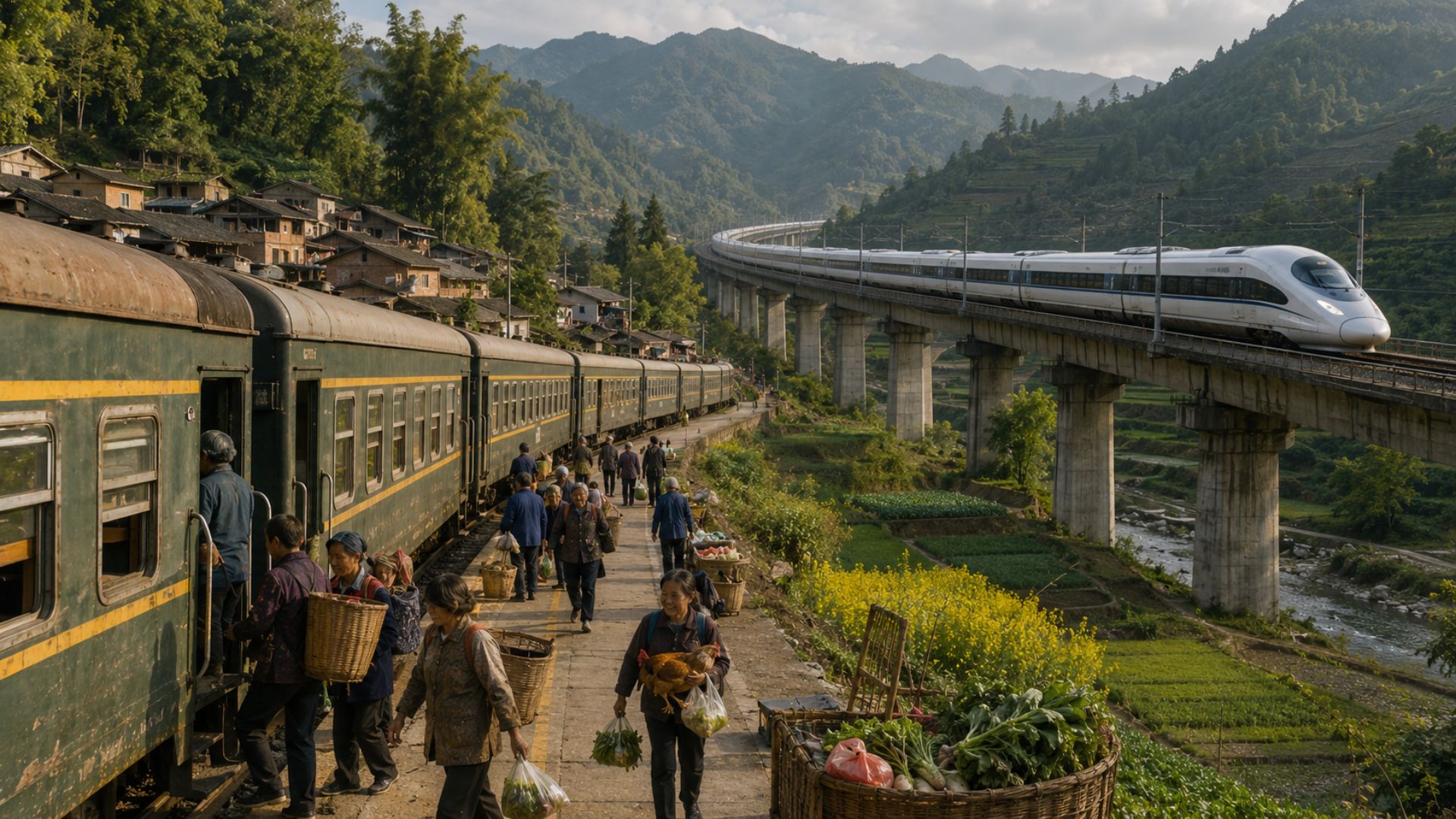
While showcasing bullet trains traveling at over 300 km/h, China maintains about 81 slow train lines that travel at 40 km/h, charge less than R$ 2 for a ticket, and cross remote villages carrying residents, students, and even chickens and vegetables to the market.

-
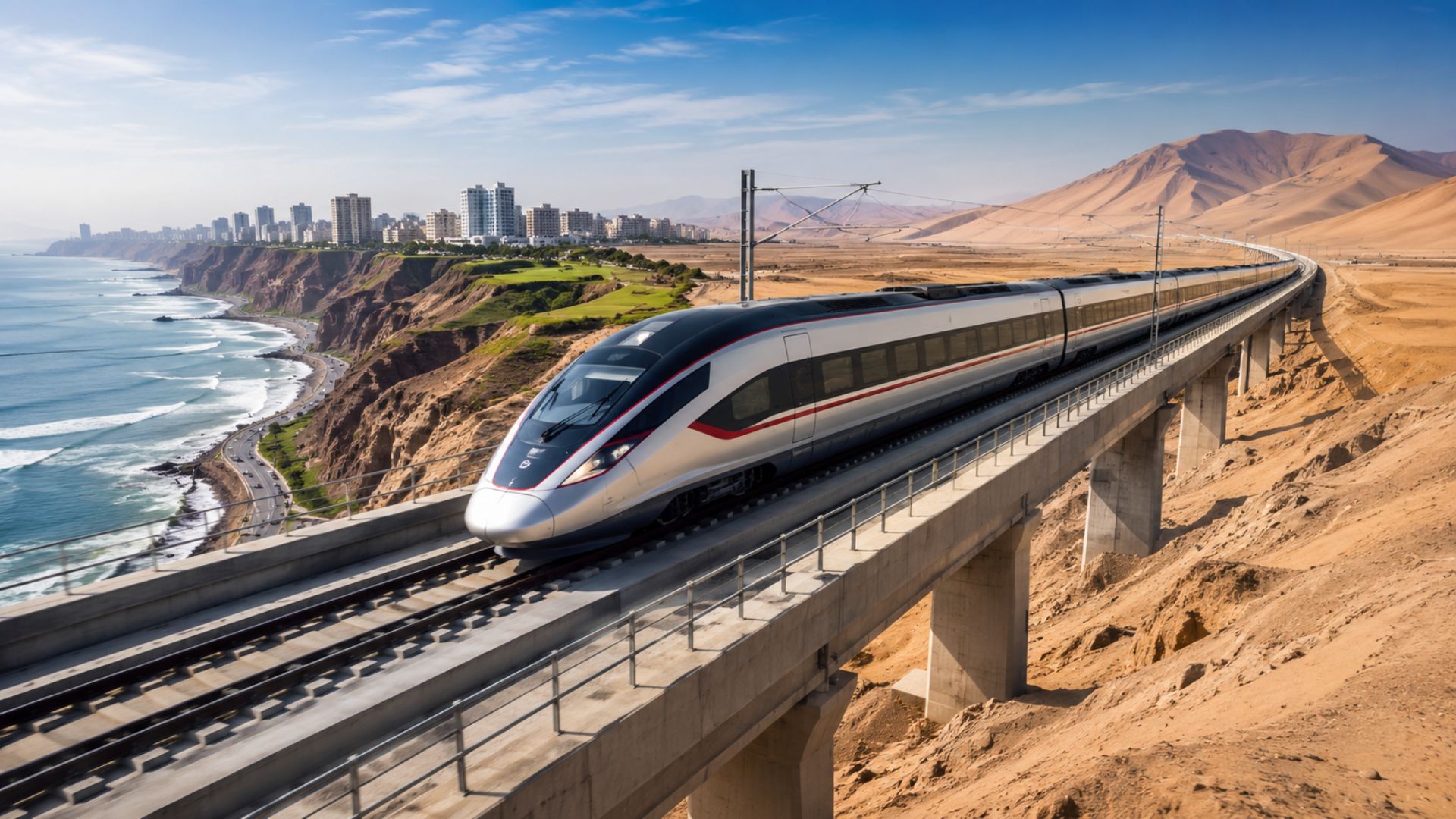
Peru plans to build, with Chinese technology and capital, what is intended to be the fastest train in South America, a high-speed line between Lima and Ica at up to 200 km/h, but the $6.5 billion project is only expected to be completed around 2032.


According to specialized coverage by MetrôCPTM, the consortium CRRC Sifang will be responsible for the new Fleet R, created to reinforce the three lines operated by the Metro. The contract value is R$ 3.1 billion.
The delivery did not happen all at once. Information from Agencia SP indicates that the first train is expected to be delivered in 21 months, while the project advances through stages of manufacturing, testing, and implementation.
Line 2-Green depends on the new trains to advance to Penha and increase capacity
Line 2-Green is the most strategic axis of the contract because it is under expansion. The new Chinese trains were purchased to precisely meet this operational growth, especially in the section between Vila Prudente and Penha.

The logic is simple: it’s not enough to build a station, tunnel, and permanent way. An expanded line needs more trains to maintain interval, capacity, and frequency without overloading the current fleet.
Therefore, the 44 trains do not just represent a visual renewal. They are part of the necessary infrastructure to accommodate more passengers within the system without disrupting the operation of the already saturated lines.
Lines 1-Blue and 3-Red will also be reinforced with the new trains
In addition to Line 2-Green, the new trains will also serve lines 1-Blue and 3-Red, two of the most traditional and important in the São Paulo metro network.
Line 1-Blue connects strategic areas of the city on the north-south axis, while Line 3-Red is one of the busiest connections in the capital, linking the east zone to the center and west zone.
By reinforcing these lines, São Paulo attempts to tackle a structural problem: an aging fleet, high demand, and the need for greater operational reliability.
Trains will have six cars and preparation for automatic operation
Revista Ferroviária reported that each new train will have six metro cars. The tender also includes trains prepared for fully automatic operation without an operator, as well as USB ports and free circulation between cars.
This detail changes the technological level of the contract. It’s not just about buying new trains, but preparing part of the fleet for a more modern standard of metro operation.
Automation does not necessarily mean the immediate removal of operators on all lines. But it shows that the new trains are already designed for a future where control, signaling, and digital operation gain more importance.
Production will have a stage in China and manufacturing in Araraquara
In March 2026, the Government of São Paulo reported that the trains were in the project design phase in China, with the presentation of the internal and external design for client approval before production begins. Manufacturing will be carried out in Araraquara, in the interior of São Paulo.


This point is important because it brings the contract closer to the railway industry established in Brazil. CRRC provides technology and supply, but part of the production takes place in São Paulo territory.
In practice, the project mixes Chinese engineering, Brazilian public contract, and local manufacturing in a railway chain that can gain relevance as the country resumes urban and regional train projects.
CRRC expands presence in São Paulo and gains strength in Brazilian railway transportation
CRRC does not enter São Paulo just as an occasional supplier. The Chinese company also participates in other railway projects in the state, including the São Paulo-Campinas Intercity Train, won by a consortium with participation from the Chinese company. The concession will last 30 years and the total investment is estimated at around R$ 14 billion, according to Reuters.
This context makes the contract for the 44 trains even more relevant. CRRC starts appearing in metro, regional train, and railway renewal projects, expanding its presence in one of the largest rail transport markets in Latin America.
For São Paulo, this represents access to one of the largest railway manufacturers in the world. For China, it means occupying space in an urban system of enormous visibility.
Railway renewal places Chinese technology at the center of Brazil’s most important metro
The contract of R$ 3.1 billion shows how the competition for urban infrastructure is no longer just local. Metros, trains, and signaling systems have become showcases of technology, industrial influence, and execution capability.
São Paulo chose a Chinese manufacturer to supply 44 trains that will run precisely on the Blue, Green, and Red lines, three fundamental axes of São Paulo’s mobility.
The project still depends on delivery, testing, and effective operation. But the decision has already been made: the next phase of São Paulo’s metro will have a Chinese brand on the tracks.






Be the first to react!