






 Portuguese
  Spanish


To Become A Leader In The Electric Vehicle Sector, Multinational Toyota Will Invest US$ 13 Billion To Build An Electric Car Battery With 30% More Efficiency
The competition for the electric vehicle market has led Toyota Motor Corporation to announce an investment of US$ 13.5 billion in the creation of batteries and auxiliary charging systems for electric cars by 2030. The multinational’s strategy is to attempt to take the lead in the zero-emission vehicle sector, which is also contested by Tesla and Volkswagen. With the investment of more resources, Toyota aims for a 30% reduction in battery costs.
Read Also
Toyota Plans To Restructure The Battery Cell Structure
The world’s largest automaker by production volume, Toyota, announced on Tuesday (7) to the automotive market that it aims to cut the price of its electric car batteries by 30%.
To achieve this goal, the company plans to reorganize the battery cell structure and the materials used in the production line. It is worth noting that the automaker was the first to offer a hybrid car that uses gasoline and electricity in 1997, with the launch of the Prius model.
-
Iconic Orange Double-Decker Bus, a Dutch Fan Favorite for Over 20 Years, Arrives in Texas for the World Cup After Touring Brazil, England, Qatar, and More

-
$100 Million Hypercar Collection, Including Ferrari LaFerrari and McLaren Speedtail, Found Abandoned at Los Angeles Airport
-
Hyundai ix35 2019: A Forgotten SUV with 2.0 Engine and 650 km Range Costs Less Than a New Kwid in Brazil
-
Harley-Davidson Enters Urban Electric Era with LiveWire S4 Honcho Minibikes: Lightweight, Affordable, 85 km Range, Priced Around $5,000


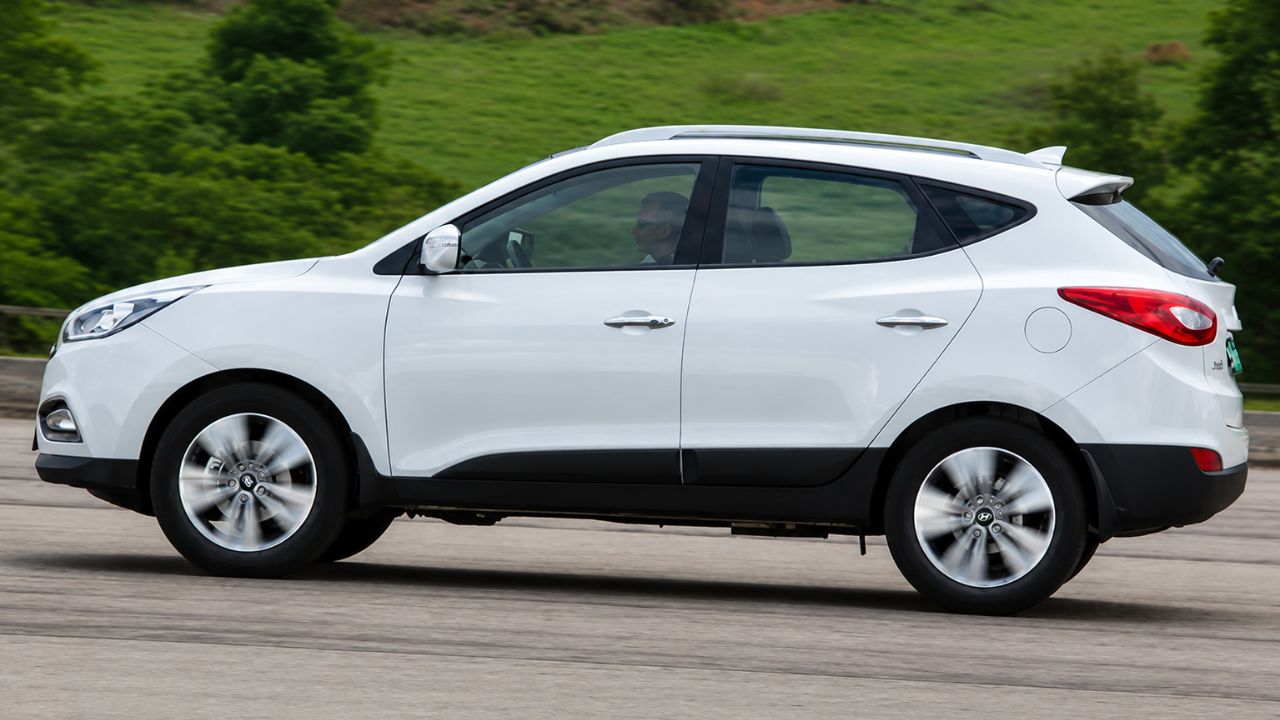

In a press conference, the multinational’s Chief Technology Officer, Masahiko Maeda, stated that the Toyota bZ4X, an electric car expected to be launched by 2025, will be the first Toyota model to feature a 30% reduction in energy consumption per kilometer, due to the new battery the company intends to produce.
To lead the electric vehicle sector, the multinational aims to mass-manufacture solid-state batteries. The product functions differently from conventional lithium-ion batteries.
Toyota’s Strategy Could Change The Automotive Industry’s Course In The Electric Vehicle Market
If Toyota’s strategy regarding electric car batteries is successful, it could mean a drastic change for automakers. Solid-state batteries possess a higher energy storage capacity and a lower chance of catching fire, as well as being charged more quickly.
The product tends to crack while being contracted and expanded during usage tests and is also expensive to manufacture. Despite the hurdles in producing the item for electric cars, the multinational has not changed its forecast that it would be able to set up production lines for electric car batteries in the second half of 2021, which has yet to happen.
A Toyota executive states that the company seeks to find the best materials for production. Toyota has also stated that it plans to use solid-state batteries in its hybrid vehicles, such as the Prius.
Volkswagen Will Invest US$ 178 Billion In Its Electric Fleet
On Tuesday (7), Volkswagen, one of Japan’s main competitors and the second-largest automaker in the world, commented on the possibility of spending more to promote the transformation of its fleet to be powered by electricity or be autonomous.
The German multinational projects an investment of US$ 178 billion in its transition plan to electric cars by 2025 and has repeatedly stated that it could move to the next phase simply by burning through its own cash flow.


