





 Portuguese
  English
  Spanish
 2 min of reading
  0 comments


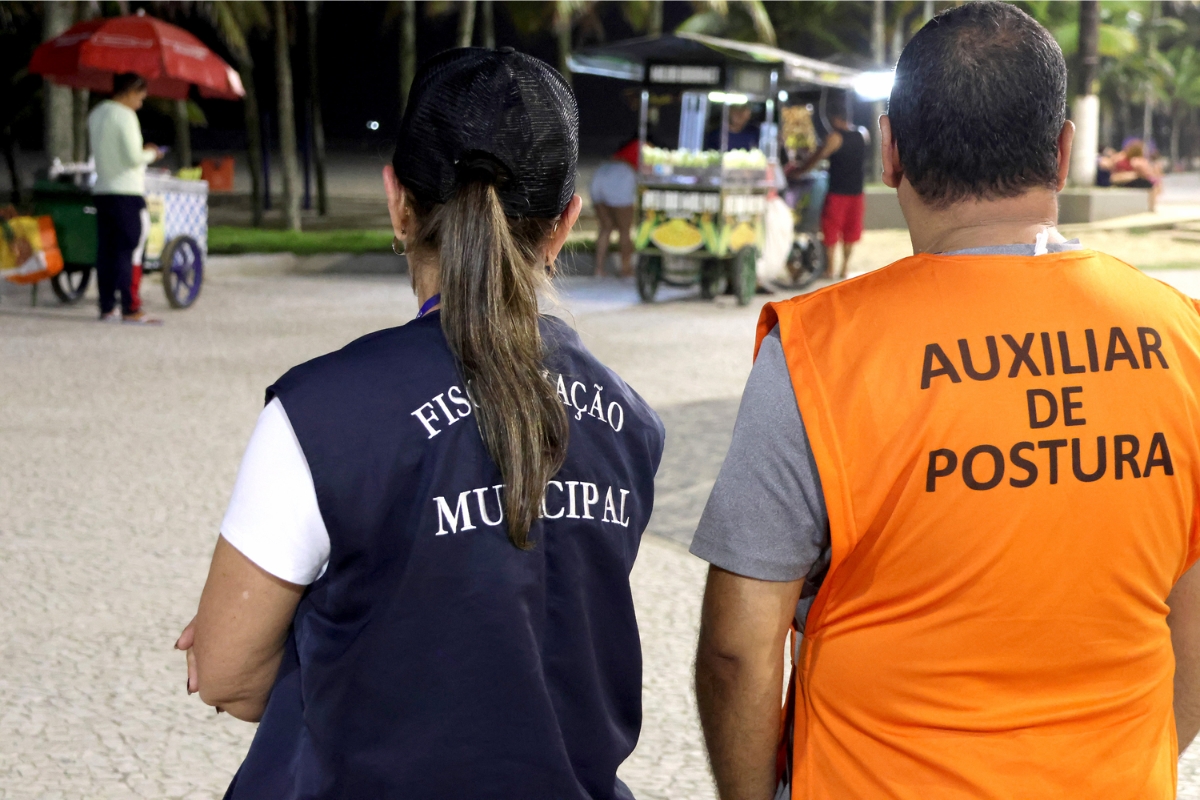
Enhanced Oversight on the Waterfront Involves 50 Officials, Rules for Street Vendors, and Direct Guidance to Consumers.
Praia Grande has initiated the Summer Oversight Operation, increasing control over street vendors and carts operating on the beach.
The action takes place during the high season and continues until Carnival, focusing on organization, safety, and compliance with municipal regulations.
Key points include the requirement for a visible license, the prohibition of certain products, and the possibility of fines and confiscation.
-
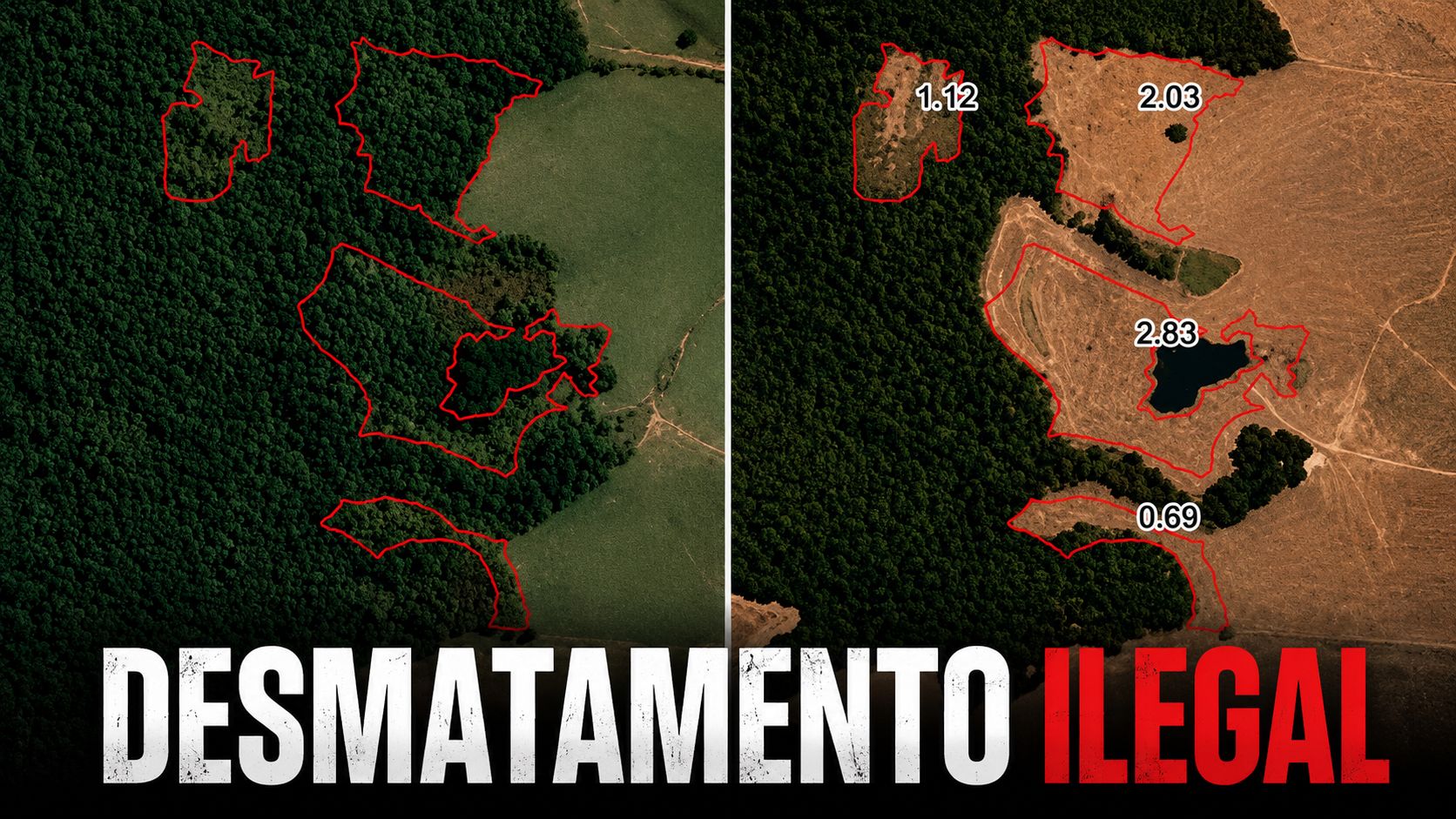
Satellite images reveal illegal deforestation in Paraná, showing more than 10.3 hectares of native forest destroyed in Lapa, resulting in the owner receiving a fine of R$ 109,000.

-
State government launches an unprecedented plan against marine litter with 45 goals, actions for 10 years, and a priority to reduce plastics that already appear on 100% of the beaches analyzed on the Brazilian coast.
-
Correios prepare a new layoff plan for up to 7,000 employees amid the crisis: the plan is expected to target employees from units that will be closed during the company’s restructuring.

-
Retirement no longer covers the bills for millions in Brazil: the number of elderly people working has increased by 53% in ten years, exposing the harsh reality of those who need to remain active after 60.



What Happened and Why It Attracted Attention

The operation mobilizes 50 officials for regular inspections of beach carts and street vendors.
The goal is to verify authorizations, types of products sold, and the proper use of equipment on the sand.
The initiative stands out as it occurs during the peak tourist season at the coast.
Which Products Are Prohibited
Some items did not obtain municipal licenses and became prohibited for sale.
Among them are coalho cheese, barbecue, and sunglasses.
The sale of these products may result in confiscation of goods and penalties.
Visible License Becomes Mandatory
The guidance to street vendors is to keep their product licenses visible.
This facilitates oversight work and allows consumers to identify whether the vendor is compliant.
The absence of an displayed license may lead to fines.
Minimum Consumption and Action by Procon
The city hall does not intervene in cases of minimum consumption, understanding that the issue is already covered by the Consumer Protection Code.
The practice has been prohibited in Brazil since 1991, as it is considered tied selling.
The oversight of such situations is assigned to Procon.
How to Report Irregularities
Those who feel harmed can contact the Procon at rua Jaú, 880, sala 72, bairro do Boqueirão.
It is also possible to call (13) 3473 6810, Monday to Friday, from 9 AM to 4:30 PM.
The Summer Operation reinforces that clearer rules help organize the beach and protect the consumer.
During the summer, increased attention prevents losses for both street vendors and those who visit the waterfront.





Be the first to react!