






 Portuguese
  Spanish





Spain Sold Repossessed Houses to Funds; Tourism of €249 Billion Raised Rents by Up to 36% in 2025; Barcelona Cancels 10 Thousand Licenses.
The Spain is experiencing one of the most tense real estate scenarios in Europe. According to Canal Elementar, after the 2008 crisis, thousands of repossessed properties were sold en masse to international funds, which became the largest property owners in the country. Combined with the explosive growth of tourism that generated €249 billion in 2024, rents rose by up to 36% in cities such as Bilbao, Alicante, Barcelona, and Madrid in 2025.
The state, which previously supported the boom with easy credit, is now trying to contain the effects of the crisis with fragmented measures.
Still, families continue to commit 42% to 57% of their income just to pay rent, well above the 30% considered sustainable.
-
Former Atacadão Employee Turns Online Cake-Baking Lessons into a Confectionery Brand with Factory, Store, Delivery, and Nearly $400,000 in Revenue

-
Brazilian Startup Sells Nearly 9 Million Surprise Bags of Near-Expiry Food, Prevents Thousands of Tons of Waste, Aiming for $42 Million Revenue by 2026
-
How to Prevent Brown Recluse Spider Bites: Common Hiding Spots and Free Tips to Reduce Risks

-
Natto: The Unusual Japanese Superfood Gaining Popularity on Social Media and Driving Record Exports




Who Sustained the Bubble and Who Paid the Bill
Between 2000 and 2007, Spain experienced the “urban tsunami”: abundant credit, mortgages of up to 50 years, and financing that reached 120% of the property value.
When the bubble burst in 2008, unemployment reached 26% of the active population. Even after handing over the property, the debt was not paid off, leaving families trapped in unpayable contracts.
The rescue of banks consumed resources equivalent to 25% of Spain’s GDP.
The state socialized the losses of the financial system and, years later, sold the repossessed properties to international funds, which profited from converting housing into speculative assets.
How Much Tourism Influences Prices
From 2010 to 2018, tourist accommodations grew by 17.5% per year. In 2024, the sector accounted for over 15% of the Spanish economy and employed 3 million people.
In neighborhoods with more than 10% of properties converted for tourism, rents increased by an average of 31% to 33%.
Barcelona registered more than 10 thousand licensed tourist properties, while the central government ordered the removal of 66 thousand illegal ads on Airbnb.
In practice, tourism has driven the financialization of housing, making it increasingly difficult for local residents to remain in central areas.
Where Rents Exploded in 2025
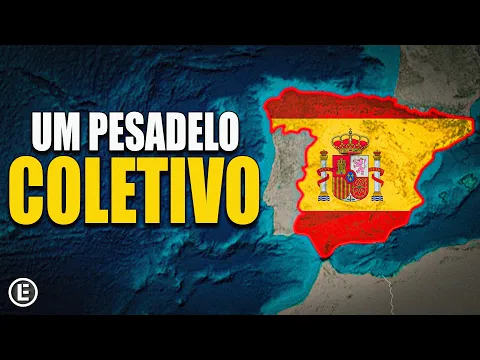

According to Canal Elementar, the most significant increases occurred in the first quarter of 2025: Bilbao recorded an increase of 36%, Alicante 33%, Barcelona 29%, and Madrid 23%.
In the same period, temporary contracts (less than a year) represented 14% of the market, a jump of 25% compared to the previous year.
With an average salary of €2,642 gross, an 80 m² apartment costs €1,100 in the country, reaching €1,500 in Madrid or Barcelona.
This means that young people and families spend nearly half of their budget just on housing.
Why the State Was Slow to React
In 2023, the Housing Law brought limits for strained areas and expanded the supply of social housing.
The SAREB, a “bad bank” created to concentrate bad assets, promised to allocate 40 thousand properties for public housing.
However, the fragmentation between the central government, autonomous communities, and municipalities delayed concrete results.
Barcelona announced the cancellation of 10 thousand tourist rental licenses by 2028, while Madrid still resists implementing controls.
The contrast shows that without coordinated measures, the crisis continues to push residents out of urban centers.
Is It Worth Waiting for a Correction?
Experts project that housing prices in Spain could still rise by 20% until they approach the levels of 2007.
The government insists there is no bubble, but in practice, the absence of correction indicates the persistence of the problem.
As funds and digital platforms continue to dominate the supply, housing is becoming an unattainable luxury for a large part of the population.
In two decades, Spain has built, rescued banks, sold stocks to funds, and is now trying to regulate rents, but prices continue to rise.
Families commit more than half of their salary to rent, while neighborhoods turn into tourist showcases.
And what do you think, should Spain impose stricter rules against funds and limit tourism to protect residents, or can the country not forgo the billion-dollar revenue that the sector generates?
Leave your opinion in the comments — we want to hear from those who live or closely follow this reality.








O maior motivo dessa dificuldade de aluga lr é a lei que protege os ocupas. Todos tem medo de alugar suas casas e perde-las. Por isso o valor alto e a burocracia
Não é só isso, alugar um imóvel na Espanha é terrível para o dono, não existe despejo fácil, um monte de regras do estado no contrato e limites para ajustar o valor de um ano para outro normalmente menos que a inflação. O estímulo é alugar para turistas por temporada curta e não construir imóveis para alugar com isso a moradia fica cara e escassa. Solução mais fácil seria o estado não se meter nos contratos de aluguel, aumentar empréstimo para construtoras e pessoas para ter a casa própria e favorecer o despejo dos inadimplentes, aí sim teria estímulo para ter mais imóveis para alugar e mais baratos.