






 Portuguese
  Spanish





Expensive SUVs May Hide Combination of High Weight, Small Engine, and Sensitive Transmissions, Increasing Consumption and Repair Costs After Warranty.
Buying an expensive SUV without looking beyond the design can turn the promise of comfort into recurring expenses, especially when the mechanical set operates at its limits, the price approaches larger models, and the automated transmission bill appears after the warranty ends.
Among the cases that require the most attention are a utility weighing 1,700 kg with 185 hp and a 1.3 turbo engine, an SUV costing R$ 182,000 with a 1.0 turbo of 120 hp, and versions with a dual-clutch transmission known for sensitivity to usage and maintenance.
Jeep Commander 1.3 Turbo and the Weight-Power Ratio
In the Jeep Commander 1.3 turbo, the central point is not a lack of equipment, but the relationship between mass and power, since the model can exceed 1,715 kg and uses the T270 with 185 hp and 27.5 kgfm with a six-speed automatic transmission.
-
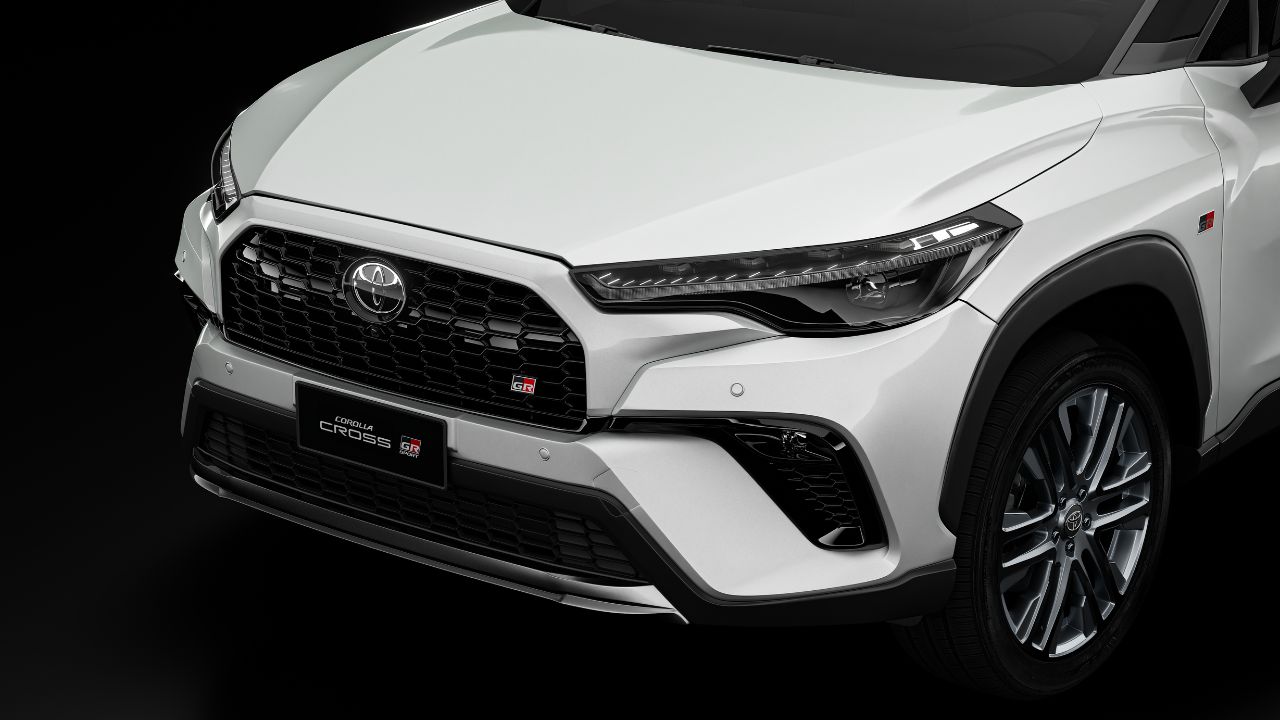
2027 Toyota Corolla Cross Unveiled: New Design, Enhanced Fuel Efficiency, Reduced Maintenance Costs, Advanced Technology, Connected Services, and Up to 10-Year Warranty

-
Fiat Cronos Precision 2018: Affordable Sedan with Spacious Trunk and Reliable Maintenance
-
Volkswagen to Cut Production by 1 Million Cars by 2030, Reducing Jobs and Platforms, Focusing on More Profitable Models

-
Toyota Launches First 100% Electric Car in Brazil: bZ4X with 343 HP, All-Wheel Drive, 361 km Range, Priced at $419,990 BRL, Limited to 99 Units



With the car loaded, air conditioning on, and hilly stretches, the set tends to raise RPM and multiply gear changes to maintain pace, which affects consumption and the feeling of power during accelerations, especially in shorter overtakes.
Beyond the behavior in real use, the cost of maintaining a large SUV with a powertrain that works with greater thermal and mechanical effort is considerable, because the design prioritizes space and size while the engine needs to handle constant loads under varying conditions.
Volkswagen Nivus GTS and Cost-Benefit in the Segment
The Volkswagen Nivus GTS uses a 1.4 TSI engine with 150 hp and 25.5 kgfm with a six-speed automatic transmission, a combination that delivers quick responses and strong acceleration for the proposal, including figures close to 0 to 100 km/h in around eight seconds.
The problem arises when the price rises to the level of a more complete SUV and the consumer begins to demand a more elaborate cabin, superior materials, and the feeling of a “larger” car, but finds an elevated compact base with rear space and finishes consistent with the project’s origins.
In practice, the cost-benefit depends less on the engine and more on how much the buyer is willing to pay for a sporty signature in a model that remains compact inside, since part of the value lies in positioning, visual package, and the appeal of the badge.
Renault Boreal, DCT Transmission, and Cost Outside Warranty
In the Renault Boreal, the alert focuses on the set with a wet dual-clutch automated transmission of six speeds, associated with the 1.3 turbo flex engine that can reach 163 hp, a modern solution but known to require maintenance and careful use.
Concerns grow when considering the history of reports of judders, hesitations, and failures in similar transmissions in recent applications of the group, because outside the warranty, repairs often involve modules, clutches, and specialized labor, quickly elevating the repair costs.
Even without asserting an inevitable defect, financial risk exists when the owner ignores maintenance, drives in heavy traffic with severe use, and adopts habits that increase temperature and wear since dual-clutch systems tend to be less tolerant of abuse.
Toyota Yaris Cross Hybrid e-CVT and Focus on Economy
The Toyota Yaris Cross hybrid flex was introduced in Brazil as a compact SUV focused on efficiency, using a combustion engine combined with an electric motor and an e-CVT transmission, an architecture designed to reduce consumption and emissions, not to deliver immediate responses.
During stronger accelerations, the typical effect of this system is to raise engine RPM to maintain speed, which may create a sense of “effort” and reduce driving pleasure, although the set prioritizes smoothness and the logic of saving fuel.
Here, the decision is based on profile: those who value silence, constancy, and urban use tend to see an advantage, while those seeking quick responses and a feeling of power may be bothered, since the design delivers efficiency before excitement, even with the reputation for reliability.
Nissan Kicks 1.0 Turbo and Performance with a Larger Car
In the Nissan Kicks 1.0 turbo, the brand began offering a three-cylinder engine with up to 125 hp and 22.4 kgfm (220 Nm) and a six-speed DCT transmission, a modern combination that, in theory, corrects the old criticism of the model’s performance.
The point is that the latest generation has gained dimensions and mass, and specialized evaluations have noted that the gain in power does not always translate into a sporty feeling, since the increased weight demands more from the set, especially in climbs, accelerations, and when loaded.
Additionally, since it adopts a dual-clutch transmission, the same cost caution applies: timely maintenance, correct fluid, and consistent driving make a difference, since eventual intervention outside the warranty can lead to high expenses, depending on the affected component.


Hyundai Creta N Line 1.0 Turbo and Expectation for the Price
The Hyundai Creta N Line 1.0 turbo enters the discussion by combining a more aggressive appearance and style package with a 1.0 TGDI engine with 120 hp and 17.5 kgfm, a suitable set for the city, but limited when the use involves highways, overtakes, and loaded driving.
As the price may range from R$ 182,000 to R$ 187,000 on the table and offer variations, the buyer’s expectations rise along with it, and part of the audience starts to compare performance with more powerful versions, which exposes the difference in power at speed.
In this scenario, the risk is not “breaking because it’s 1.0”, but rather paying as if it were an SUV with a larger engine and receiving a performance that requires planning during accelerations, making the package more rational for those prioritizing style and urban use, with strictly followed maintenance.






