Portuguese
  Spanish


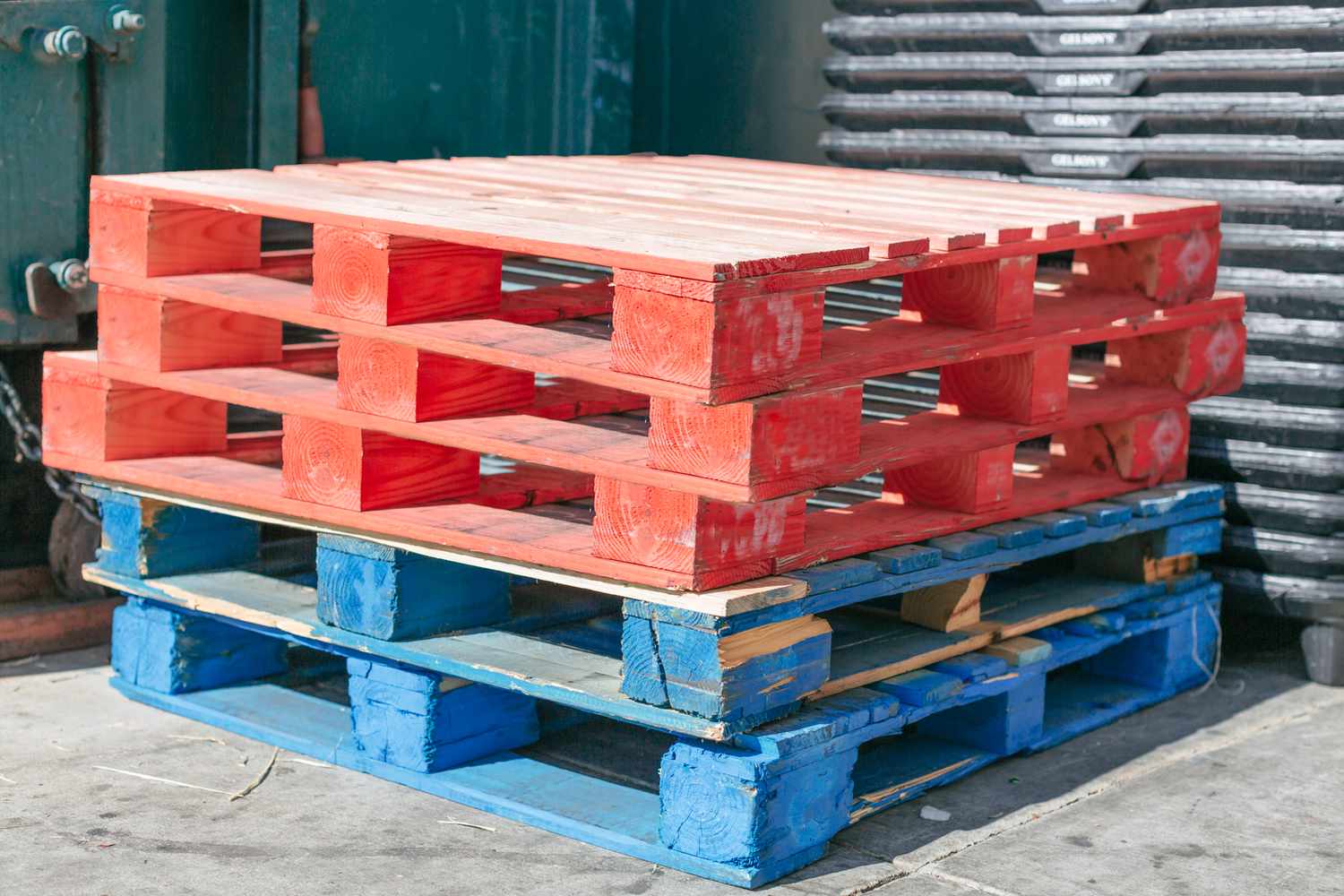


The Ashes From Wood Pellets, Often Discarded, Have Surprising Value And Amazing Uses. Discover How To Make The Most Of This Undervalued Resource.
The ashes generated from burning wooden pallets are often seen as disposable waste. However, this waste can be transformed into valuable resources when used consciously.
Whether as a natural fertilizer, pest repellent, or even a boost in organic compost, the ashes have diverse functions and practices.
What Makes Wood Pellet Ashes Unique?
Wood pallet ashes are composed of essential minerals such as potassium, phosphorus, calcium, magnesium, and silica.
-
Miniature Nuclear Reactor to Be Installed in South Wales, Powering 20,000 Homes and Reviving UK’s Nuclear Industry After Nearly 50 Years

-
San Andreas Fault Reaches “Highest Tension in 1,000 Years,” Raising Fears of the “Big One,” but New Study Identifies Key Zone Near Los Angeles Influencing Earthquake Impact

-
French Scientists Set Sail on Ice-Trapped Ship for 18-Month Arctic Climate Study
-
Dyson Introduces WashG1: A Revolutionary Floor Cleaner with Motorized Rollers and Self-Cleaning Technology



These elements are fundamental for soil nutrition, promoting healthy plant growth.
However, it is important to ensure that the burned wood is free from chemical treatments, varnishes, or paints, to avoid soil contamination.
For pellets, choosing brands that use pure wood, without additives, is essential. If the pallets have been used to transport goods, it is advisable to remove nails or staples from the ashes before using them.

Using In The Garden: A Natural Fertilizer
The ashes can be used directly in the soil as a natural fertilizer. The high concentration of potassium helps to enhance flower colors and sweeten fruits.
Additionally, the ashes act as a barrier against pests, such as slugs and snails, preventing them from smooth surfaces.
Diluted in water and applied to the leaves, the ashes also provide protection against aphids, acting as a natural shield against these insects.
Care In Application
Although ashes are extremely useful, it is essential to know how and where to apply them. Plants that prefer acidic soils, such as azaleas, camellias, and rhododendrons, do not tolerate the alkalinity of ashes well. Therefore, avoid using them in these cases.
For effective application, sift the ashes to remove any solid residue, such as staples or pieces of wood that are not completely burned.
The ideal dosage is about 100 grams per square meter, equivalent to two large handfuls.

When To Use Wood Pallet Ashes?
The most suitable time to spread the ashes in the garden is at the end of winter, before the start of spring.
However, if storing dry ashes is not feasible, they can be applied throughout the burning season, as long as they are protected from moisture.
Additionally, the ashes can be incorporated into organic compost, enriching the material with minerals and accelerating the decomposition process.
A Sustainable And Economic Resource
Reusing wood pallet ashes is a sustainable practice that reduces waste and values a material often overlooked.
In Brazil, where burning wood is still common in rural and industrial areas, this practice can be integrated as part of a broader environmental strategy.
So, instead of discarding the ashes, take advantage of this natural resource to nourish the soil, protect your plants, and, in addition, save on the use of chemical products.