Portuguese
  Spanish


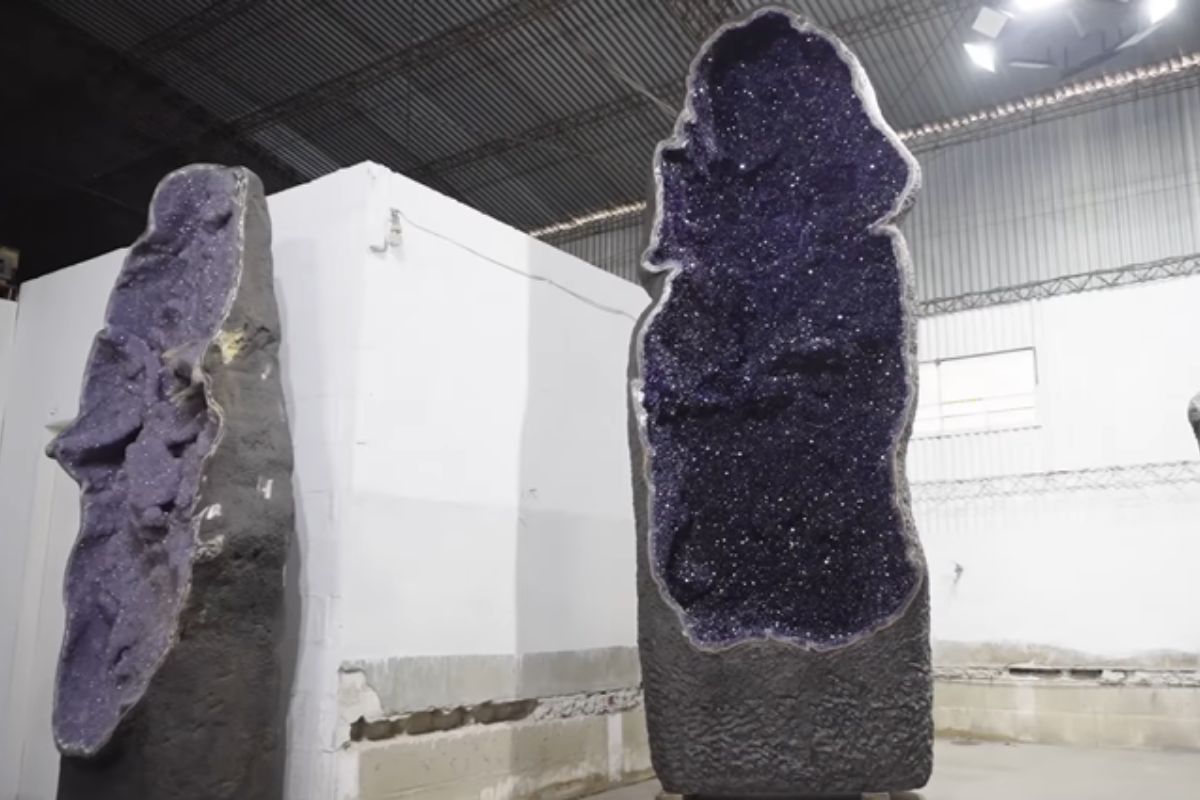


In The North Of The Country, The Amethyst Geodes From The Las Torres Mine In Artigas Reach Up To 26 Tons The Equivalent Of Four Elephants And Are Among The Largest And Most Valuable In The World
Among The Volcanic Rocks In The North Of Uruguay, Miners Have Been Working For Decades In The Extraction Of Amethyst Geodes, Giant Formations Of Purple Quartz That Combine Natural Beauty And Geological Complexity. Some Samples Found In Artigas, At The Las Torres Mine, Weigh Up To 26 Tons And Can Reach Values Close To US$ 1 Million In The International Market.
These Structures Are The Result Of Processes That Took Millions Of Years: Ancient Gas Bubbles Formed In Lava Flows Gradually Transformed Into Cavities Filled With Crystals. The Manual Labor Of The Miners And The Aesthetic Value Of The Pieces Turn The Extraction Into A Delicate And High-Risk Business, Where A Crack Can Reduce The Final Price By Tens Of Thousands Of Dollars.
The Geology That Creates Uruguayan Amethysts
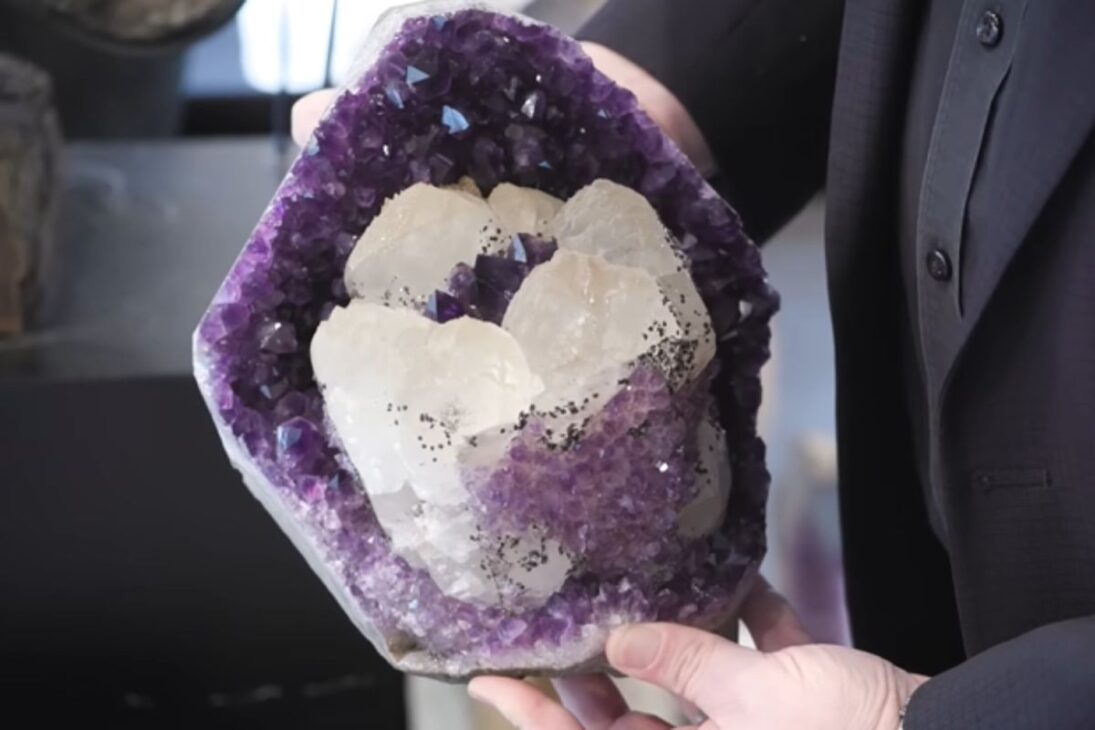
The Amethyst Geodes Form In Basaltic Rocks, Old Layers Of Lava That Solidified After Eruptions. When The Magma Cooled, Gas Bubbles Became Trapped, And Over Millions Of Years, Liquids Rich In Silica And Iron Infiltrated These Spaces.
-
Neon Blue Glow in Brazilian Waters Captivates Locals and Goes Viral, Unveiling Rare “Sea Fire” Phenomenon

-
Forgotten Map Leads Diver to Shipwreck with Gold, Rare Jewels, and Secrets Hidden for Nearly 350 Years
-
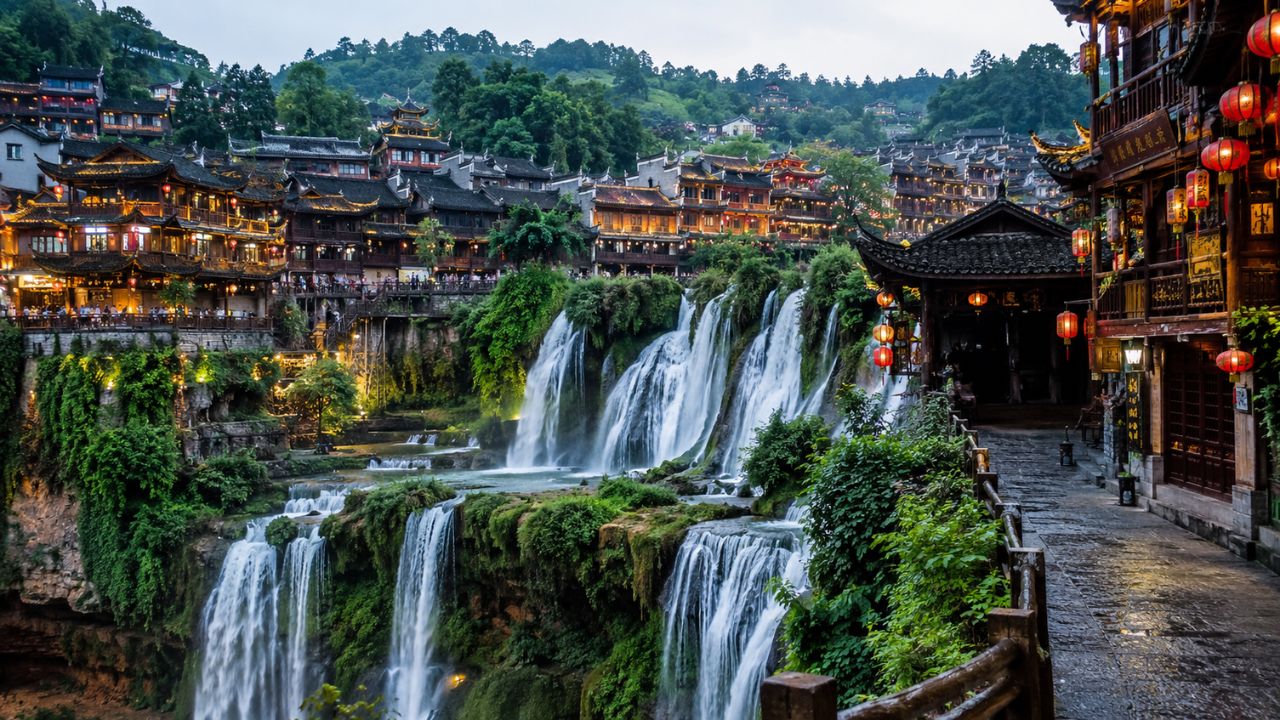
Furong: The 2,000-Year-Old Chinese City Built on a 60-Meter Waterfall Becomes a Global Tourist Phenomenon

-
YouTube Inventor Dubbed “Real-Life Tony Stark” Builds Robotic Legs for Father’s Day, Creating a Wheelchair That Conquers Stairs and Rough Terrain



The Contact With Natural Radiation Altered The Iron Atoms Inside The Quartz, Giving Rise To The Characteristic Violet Hue Of The Stone.
The Intensity Of The Color Depends On The Concentration Of Iron And The Dose Of Radiation Absorbed. Deeper Tones Indicate Greater Presence Of These Elements, Raising The Commercial Value.
Therefore, Each Geode Is Unique: The Variations In Color And Brightness Are Marks Of An Irrepeatable Geological Process.
Mining In Artigas: Among Explosions And Microscopic Precision
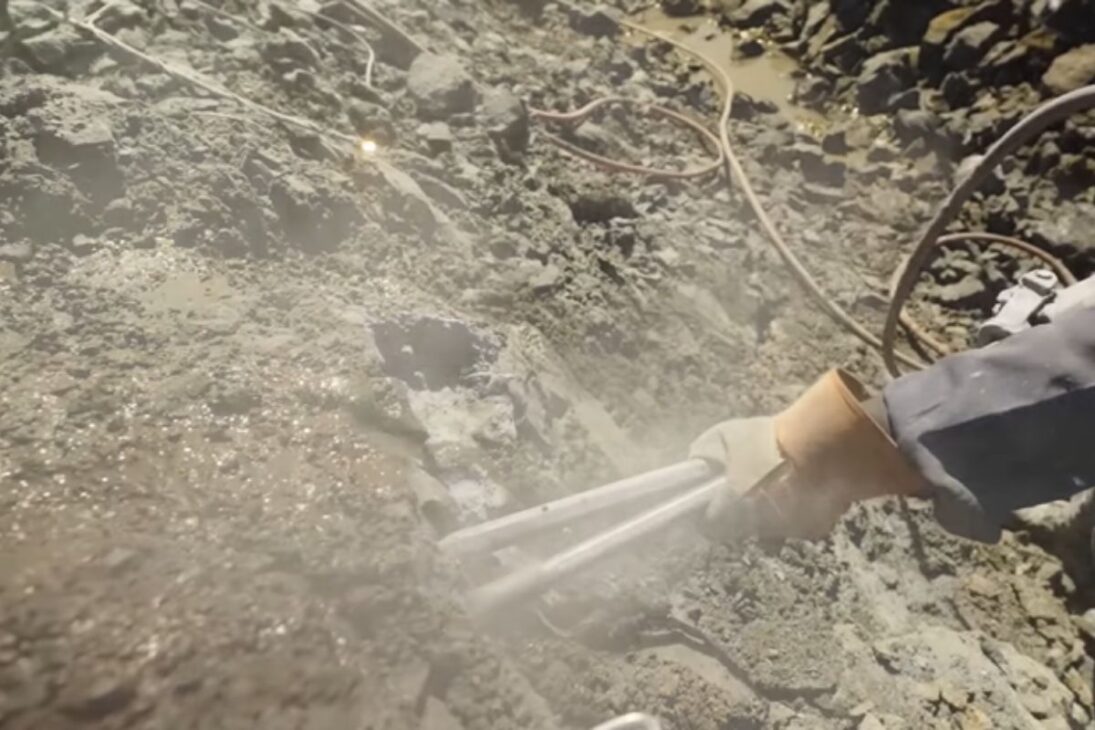
The Las Torres Mine, Located In Artigas, Is The Epicenter Of Exploration. The Extraction Combines Rough Force And Refined Technique.
Controlled Explosions Open The Way Through The Basalt Layers, And The Miners Identify Small Cracks That Indicate The Presence Of A Cavity With Crystals.
When They Find A Geode, The Process Requires Extreme Caution. Iron Bars Are Positioned Around The Formation To Guide The Cuts And Prevent Fractures.
The Transport To The Surface Can Take Days And Requires Cranes And Reinforced Structures. A Calculation Error Can Turn A Million-Dollar Piece Into Fragments With No Commercial Use.
From Rock To Shine: The Work Of Artisans
After Extraction, The Geodes Are Washed And Classified According To Size, Purity And Coloration. Small Pieces Go To Cutting And Polishing In Specialized Workshops, While The Giant Samples Undergo Months Of Preparation.
Artisans Use Diamond Discs To Open The Formations And Enhance The Shine Of The Internal Crystals, Preserving The Natural Shape Of The Cavity.
Any Visible Imperfection Can Dramatically Reduce The Final Price. In Contrast, Intact Formations, With Well-Defined Crystals And Homogeneous Tones, Are Rarer And Highly Valued By Collectors And International Museums.
The Trade Of The Crystal Giants
The Commercialization Of Amethyst Geodes Follows A Global Flow. Exporting Companies From Artigas, Such As Le Stage Minerals, Keep Samples Weighing Dozens Of Tons In Their Warehouses.
The Transport And Installation Of A Single Piece Can Take Months, And Finding Buyers For Such Large Geodes Is A Logistical And Financial Challenge.
Often, These Formations Remain On Display For Years Before Being Sold. The Smaller Ones, However, Ensure A Continuous Flow Of Exports.
Different Combinations Of Minerals And Crystalization Patterns Also Influence The Price, Which Can Vary From Hundreds To Hundreds Of Thousands Of Dollars.
Market And Contemporary Symbolism
In Recent Years, Global Interest In Crystals Has Increased. While The Demand For Diamonds Fell During The Pandemic, The Semi-Precious Stone Sector Grew Above US$ 1 Billion In 2020, Driven By Trends Related To Decoration, Collecting And Spiritual Beliefs.
Although There Is No Scientific Evidence Of Energetic Properties, The Aesthetic And Symbolic Appeal Keeps The Sector Expanding.
For The Miners And Artisans Of Artigas, Extraction Remains A Central Activity Of The Local Economy.
The Mines Continue To Reveal New Geodes And Preserve A Craft That Combines Tradition, Science And Patience, Transforming Ancient Volcanic Rocks Into Objects Of Contemplation And Luxury.
The Extraction Of Amethyst Geodes In Uruguay Unites Science, Risk, And Art In A Single Craft. Do You Think These Formations Should Be Commercially Exploited Or Preserved As Natural Heritage?