






 Portuguese
  Spanish
  2 min of reading
  0 comments


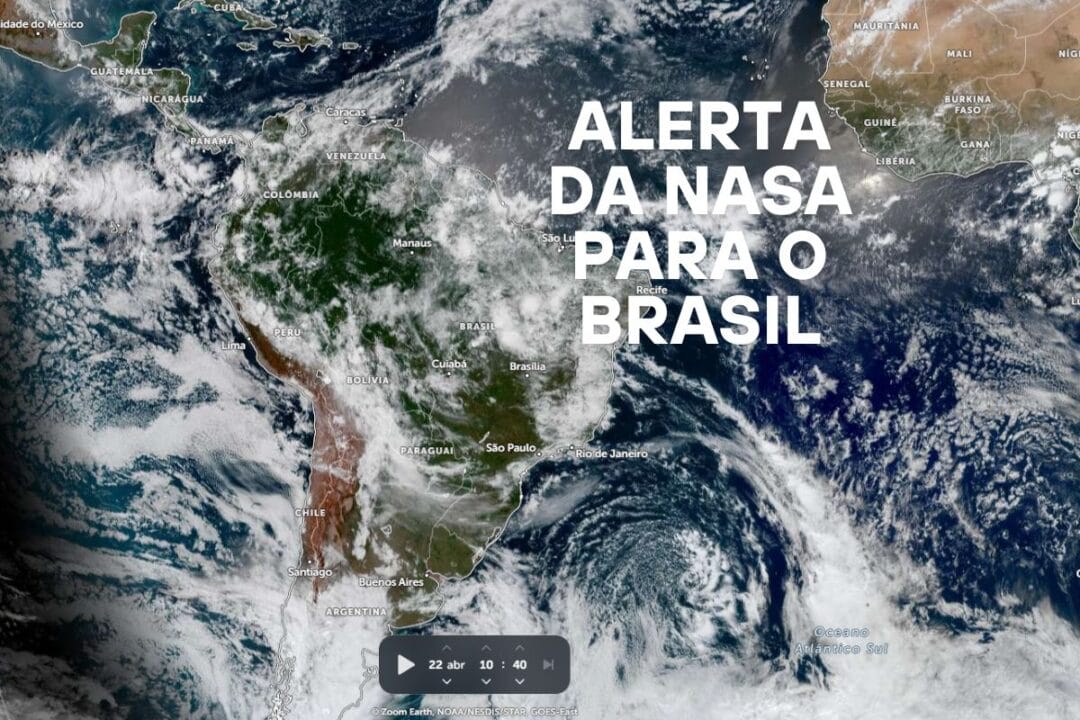
Midwest, Northeast, North, and Southeast Are Among the Most Vulnerable Regions; Understand the Criteria and Health Risks.
A NASA study revealed that parts of Brazil may become uninhabitable by 2073 due to extreme heat. Combining temperature and humidity, regions such as Midwest and Northeast will face risks of thermal collapse. Learn which areas are threatened and how heat can affect human health.
The NASA research points out that areas in the Midwest, Northeast, North, and Southeast of Brazil are vulnerable to uninhabitable conditions in the next 50 years. The criterion used goes beyond temperature: it considers the combination of heat and humidity, called wet-bulb temperature, which amplifies the effects on the human body.
Understand the Wet-Bulb Temperature Criterion
The wet-bulb temperature is measured with a thermometer covered by a wet cloth. Values above 35°C make survival practically impossible. In Brazil, regions with high humidity and heat above 37°C (with 70% humidity) may reach this threshold, posing a risk of death even in the shade.
-
Research reveals evidence that autism may represent several different conditions instead of a single disorder, transforming medical strategies, accelerating advances in neuroscience, and increasing the precision of interventions for millions of people.

-
Neanderthal genes still live in you and may influence the viral load of common infections, reveals genetic study on human immunity.
-
Technology using saliva: A new method based on biomarkers present in saliva can raise safety standards in traffic and at work, helping to recognize signs of fatigue and drowsiness with the potential to prevent accidents before they happen.
-
First vaccine created by artificial intelligence is tested on humans and opens a new era in medicine





Diseases and Risk of Organ Failure
Extreme heat is linked to 27 lethal disorders, including:
- Organ failure (when body temperature exceeds 42°C);
- Worsening of cardiovascular and respiratory diseases;
- Brain damage.
Between 2000 and 2019, heat caused 489,000 deaths/year worldwide, according to WHO and WMO – an underreported number.
Beyond Brazil
The study highlights that South Asia, the Persian Gulf, parts of China, and Southeast Asia may also become uninhabitable. The wet-bulb temperature criterion was applied globally, using satellite images and climate projections.
How to Mitigate the Effects? Urgent Measures Highlighted by the NASA Study
To avoid this scenario, NASA recommends:
- Reducing greenhouse gas emissions;
- Combating deforestation and wildfires;
- Implementing early warning systems for heatwaves;
- Promoting sustainable consumption of natural resources.
The NASA study is a warning for immediate actions. Extreme heat is not just an environmental crisis but a public health threat. Without global measures, entire regions of Brazil and the world may become inhospitable in decades.








Be the first to react!