






 Portuguese
  Spanish
  3 min of reading
  0 comments


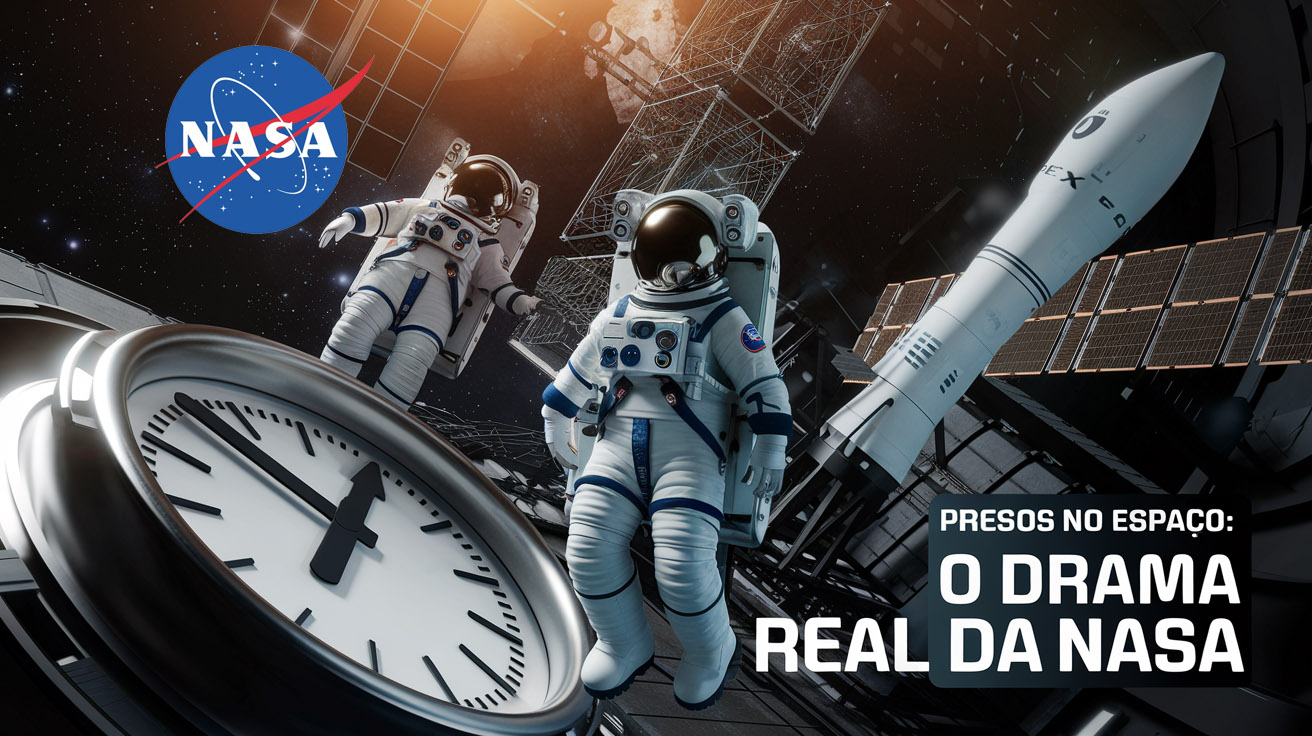
Two NASA Astronauts Extend Their Mission on the ISS Until March 2025 Due to Issues With the Boeing Starliner Spacecraft. NASA Relies on SpaceX to Ensure the Crew’s Safe Return. The Situation, Full of Technical Challenges, Reminds Us of the Drama of
Imagine being trapped in space, far from home, with no immediate return in sight, while technological challenges and critical decisions define your future.
This is the drama experienced by two NASA astronauts, in a situation that seems straight out of a movie script like the thrilling Interstellar.
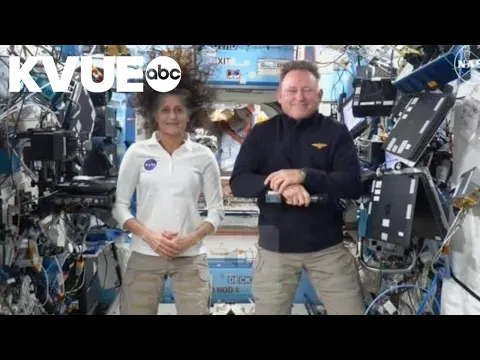
But reality surpasses fiction: Butch Wilmore and Suni Williams will stay months longer at the International Space Station (ISS) while safe solutions are sought to bring them back to Earth.
-
In the Atacama Desert, a Tropical Oasis with Pool and Palm Trees Hosts Astronomers Studying the Universe

-
São Paulo Unveils 500 Electric Buses with $1.3 Billion Investment, Aiming to Cut 20 Million Liters of Diesel Annually and Showcase Clean Mobility

-
Robot Works 900 Hours to Build World’s Tallest 3D-Printed Concrete Tower, 30 Meters High, in Swiss Village of 12 Residents
-
Brazilian Nuclear Science Uses Advanced Techniques to Combat Microplastics in Waterways and Food, Paving the Way for Innovative Environmental Solutions




What Happened to the Astronauts?
NASA announced on Tuesday (17) that the launch of the Crew-10 mission, essential for the astronauts’ return, has been postponed until the end of March 2025.
Initially, the Boeing Starliner spacecraft, responsible for transporting Wilmore and Williams, was supposed to be used to bring them back to Earth.
However, safety issues forced NASA to reconsider, opting for an alternative solution with SpaceX.
The two astronauts launched on June 5, 2024, with a mission planned to last only a week.
However, the determination that the Starliner was not safe resulted in an unexpected and challenging extension for the crew. Now, they are not expected to return until the end of March 2025.
Decision Based on Safety and Technology
According to NASA, the delay was inevitable.
“We evaluated various options to manage the next crewed delivery, including the use of another Dragon spacecraft.
After careful analysis, we determined that launching Crew-10 at the end of March was the best solution to meet our objectives through 2025,” the agency explained in a statement.
The extra time will allow SpaceX to complete the processing of a new Dragon spacecraft for the mission.
This measure aims to ensure the total safety of the astronauts and the success of the established goals for the ISS.
Parallel With Interstellar: Fiction or Reality?
For science fiction fans, the situation recalls the tension of the film Interstellar.
In the plot, astronauts face uncertainties in space, with time and technological decisions playing crucial roles.
While there are no black holes or time travel on the ISS, the dilemma of prolonged space time highlights the fragility of human missions outside Earth.
Just like in the movie, the ability to adapt and trust in science are essential to overcome challenges in an environment as hostile and unpredictable as space.

Impact on the Crew
A prolonged stay in space is not just a logistical issue. The effects on the astronauts’ health are significant, including losses of muscle and bone mass, as well as changes to the immune system.
Thus, the mission extension requires strict monitoring protocols and additional care for the astronauts’ well-being.
Despite the difficulties, Wilmore and Williams show resilience and commitment, maintaining their activities on the ISS and contributing to essential scientific experiments for the future of space exploration.
A Safe Future for Space Travel
The situation also highlights the complexity of space travel and the challenges faced by companies like Boeing and SpaceX.
While the Starliner faces problems that have delayed its debut as a reliable option, SpaceX reinforces its position as a leader in the sector, providing immediate solutions.
NASA remains committed to ensuring the safety of its astronauts and advancing its exploration goals.
This situation reflects the importance of public-private partnerships and the constant technological development.

What to Expect Until the Return?
With the arrival of Crew-10 expected at the end of March, the hope is that Wilmore and Williams can finally return to Earth safely.
Until then, the duo will continue their mission with dedication, facing challenges in space and contributing to advancements that will benefit future generations of space explorers.
And you? Do you believe that the future of space exploration will be safer with so many lessons learned? Leave your opinion in the comments!


-

-

-

8 people reacted to this.