






 Portuguese
  Spanish


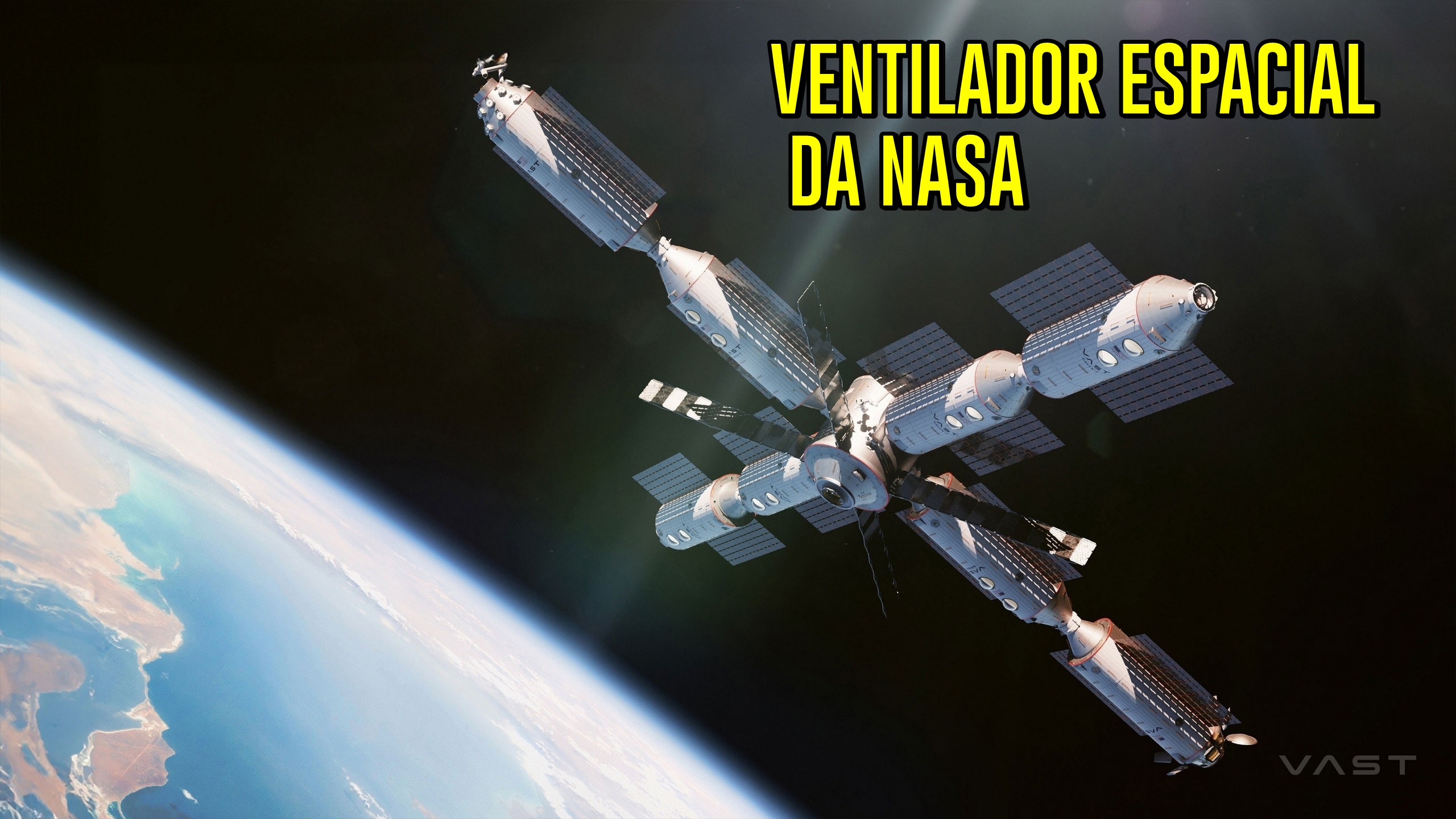

NASA Space Fan Aims to Solve a Little-Known Problem Affecting Outer Space Environments
When we think of space, we imagine a silent, vast environment, devoid of life or sound. However, surprisingly, for astronauts in spacecraft, space can be quite noisy. This noise doesn’t come from roaring engines or explosions, but from something seemingly mundane: fans.
In spacecraft and orbital stations, these fans are essential for regulating temperature and air circulation.
They are part of the Environmental Control and Life Support System, which keeps astronauts alive and safe. However, this vital necessity results in an uncomfortable side effect – a constant noise that can affect sleep, communication, and even the hearing health of the crew.
-
Scientists Develop Battery Using Mineral Found in Bones and Chalk, Surviving 1,000 Charges While Retaining 75% Capacity, Paving the Way for a Lithium-Free Future

-
Super-Earth Twice the Size of Our Planet Discovered Nearby, Offering Clues About Life Beyond the Solar System
-
Teen Invents Promising AI Device to Detect Eye Misalignment Using 3D-Printed Visor and Small Cameras for $300

-
Bosch Unveils Series 8 Dishwasher with Zeolith Drying, Voice Control, and Energy-Efficient Features



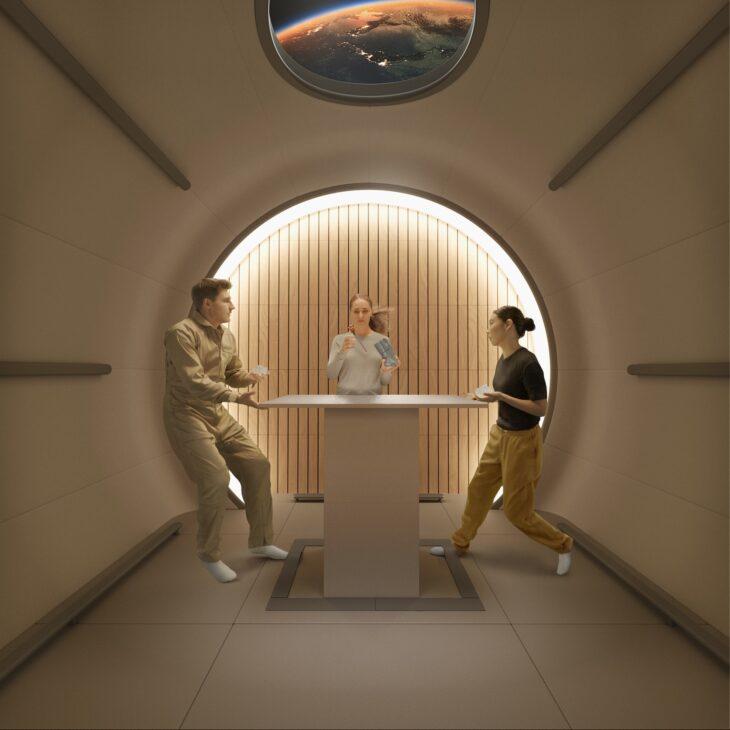
The impact of this noise is not trivial. Imagine trying to sleep with the sound of fans so loud they could even drown out some emergency alarms!
And this is not a recent problem. Since humans have ventured into space, noise has been a concern, with NASA constantly seeking solutions to make the environment more livable. Now, with the development of new private space stations and advancements in research, the need for a solution has become even more urgent.
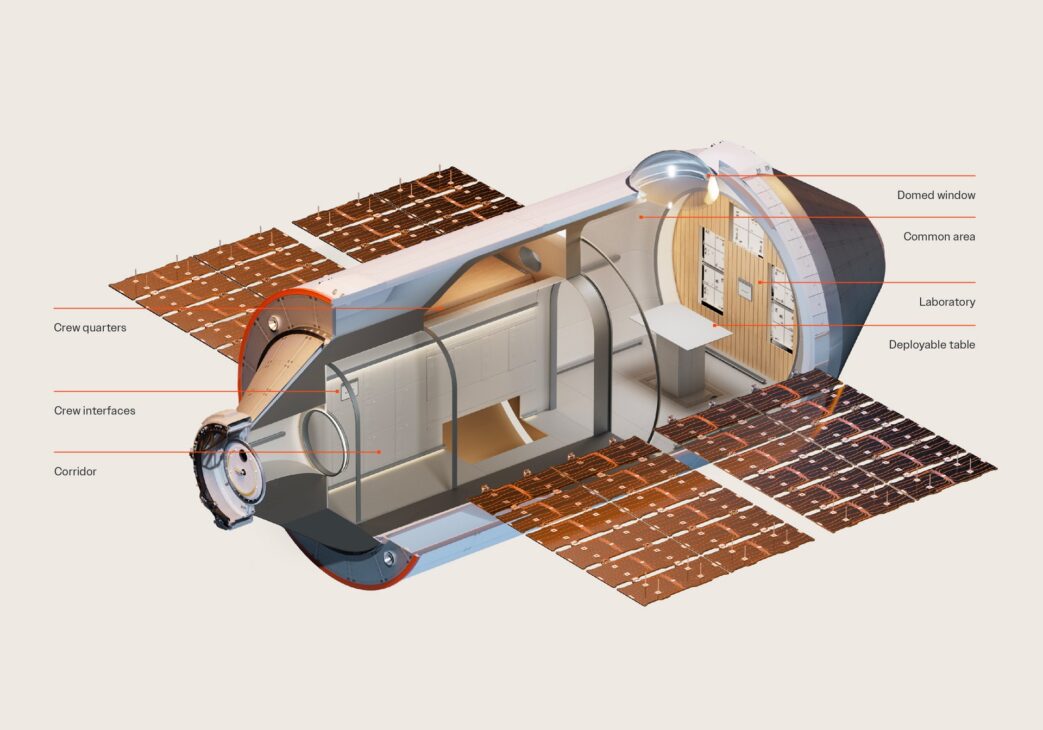
Quiet Space: A Solution for Acoustic Comfort in Space
NASA recently introduced an innovation that promises to make space quieter for its occupants: the Quiet Space Fan. This fan has its roots in technology developed in 2009 at the Glenn Research Center in Cleveland, Ohio.
Originally conceived for aircraft engines, the design was adapted for the space environment. The first prototype reduces sound by up to ten decibels compared to regular fans, generating an airflow capable of cooling an area the size of a van.
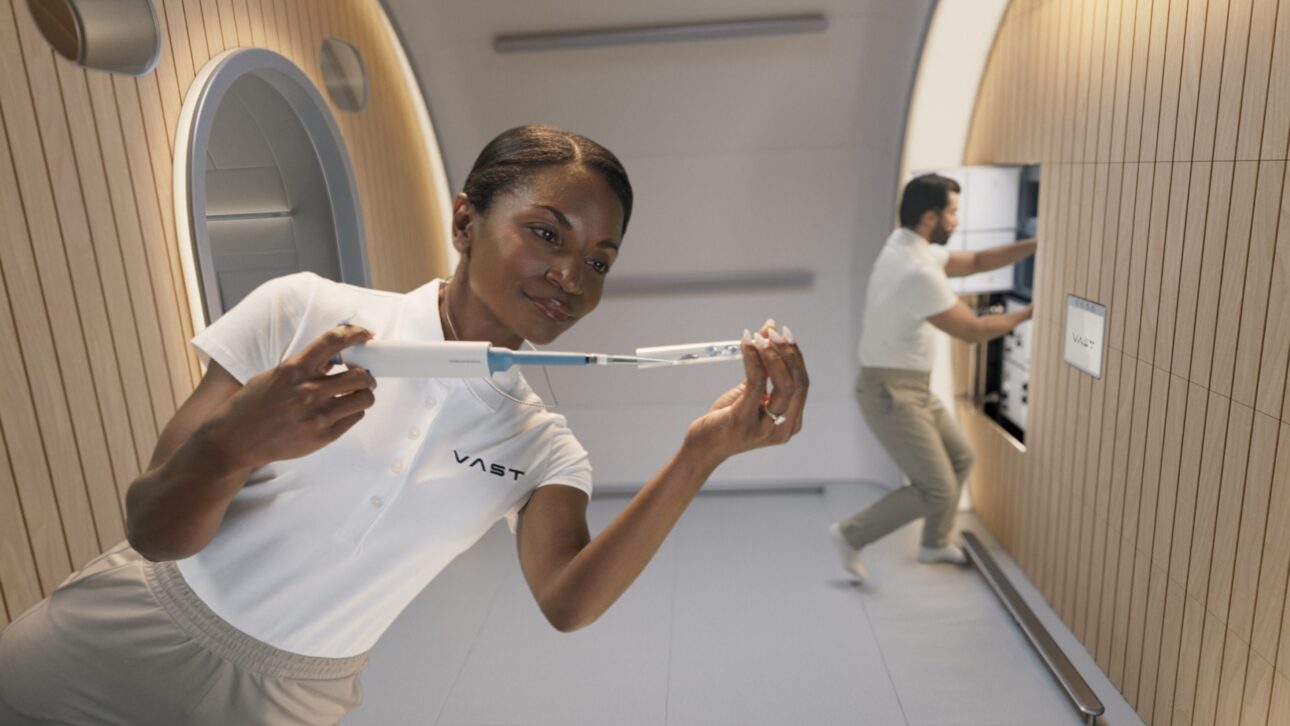
The latest model of this fan has been enhanced to double the airflow and pressure, suited for larger spaces, such as future private space stations that are being designed. These improvements are promising for creating a much more pleasant environment for astronauts and space tourists.
But why is noise such a critical problem? Think about how constant noise can impact a person’s mental health and physics . In longer missions, astronauts need an environment that promotes rest and concentration. The impact of a quiet environment is immeasurable: it improves sleep quality, facilitates communication, and reduces the risks of hearing loss.
NASA is now seeking partners in the private space industry to share and refine this technology. Imagine a future where space habitats provide the same level of acoustic comfort as a home on Earth. This is not just a matter of technology but also quality of life for those venturing beyond our planet.
The Quiet Space Fan represents an important step toward making the space environment more welcoming, proving that even in the silence of the cosmos, the details of our comfort and well-being remain a priority for human exploration.


Amei! Ideia Fantástica!