Portuguese
  Spanish


Researchers propose that NASA include a biocontainment facility in a future lunar base to analyze samples from Mars, the Moon, and other destinations before any return to Earth, reducing risks of human exposure, accidents, and possible ecological impacts
The proposal to create a biocontainment facility on the Moon gained traction in an article published in the journal Ambio. The idea is to use the satellite as a quarantine for extraterrestrial samples before sending them to Earth.
Lunar biocontainment as a barrier
Frederick I. Moxley and Anthony Ricciardi argue that materials collected on the Moon, Mars, or other destinations should undergo lunar quarantine.
The facility would function as a barrier between the planet and possible biotic contaminants brought by future missions. According to the authors, planetary protection has not kept pace with space exploration.
-
In Andradina, in the interior of SP, a tannery transformed tilapia skin that slaughterhouses used to throw away into exotic leather for bags, shoes, and even wedding dresses, producing about 2,000 pieces per month and exporting to seven countries, proving that fish waste has become high-value fashion.

-
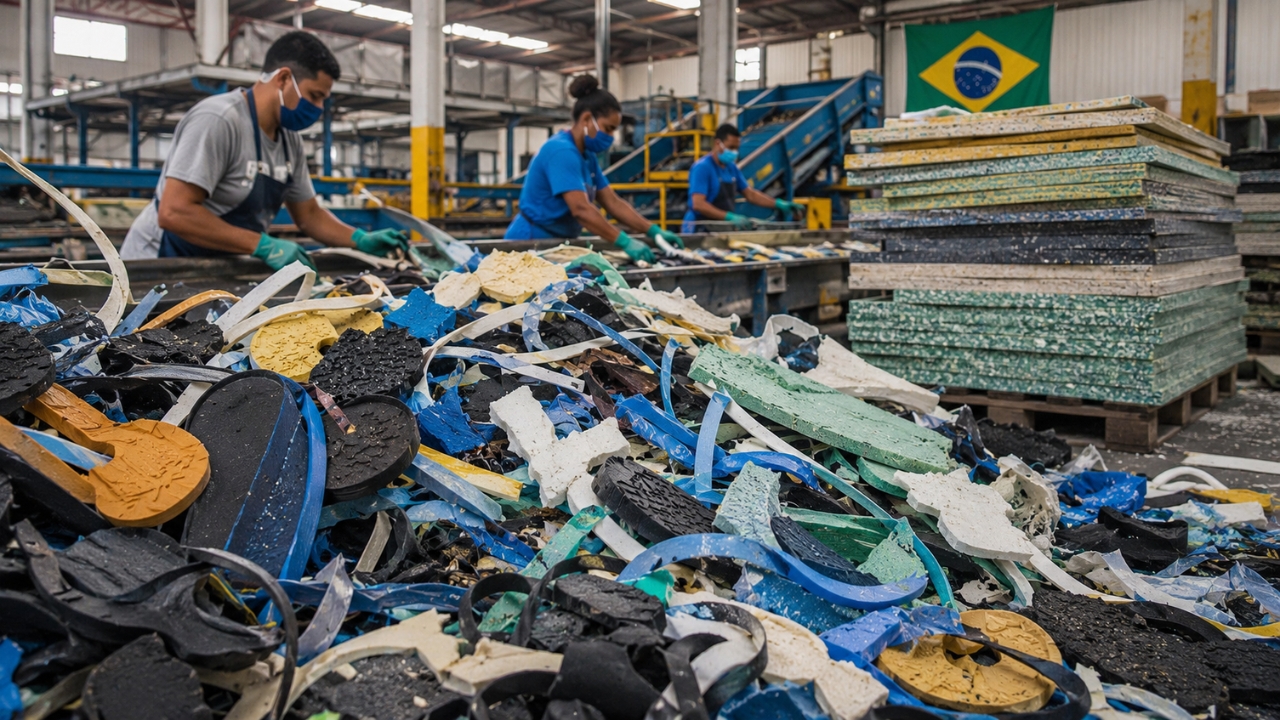
The industrial waste that even recyclers didn’t want has gained value in the interior of Bahia: two entrepreneurs invested R$ 2.8 million to transform 350 tons per year of foam, rubber, and plastic into boards that can replace wood and MDF.

-
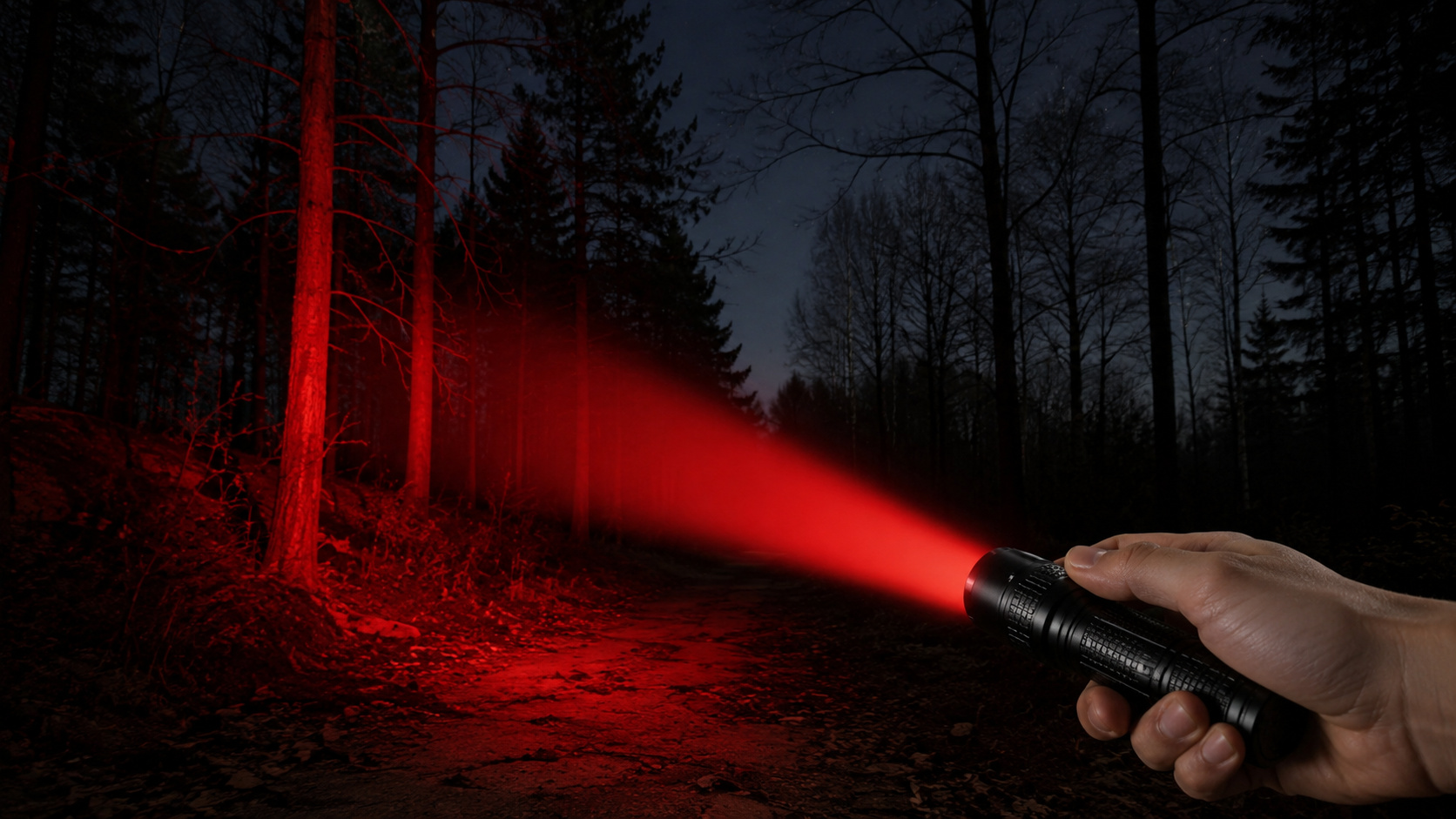
What is a red flashlight used for, after all? See why it is so commonly used at night.

-
He has never read a line of code, but he already knows how to work: the French company UMA presented in Paris the Northstar, its first AI-powered humanoid robot designed for factories and warehouses, capable of copying tasks just by observing an employee in action.


Samples handled by robots
The document recommends that all extraterrestrial material received be handled by advanced robotic systems within the lunar facility. The measure aims to reduce human exposure and accidental release.
The proposal does not stem from the confirmation of life beyond Earth. The warning is preventive: should an unknown form reach Earth’s biosphere, the ecological consequences could be unpredictable.
Invasive species serve as a warning
Ricciardi compares the risk to the history of invasive species. Research shows that an organism introduced in the wrong place can spread uncontrollably and cause lasting impacts.
This scenario supports a precautionary approach against extraterrestrial introductions. The concern grows with governmental and private missions beyond Earth’s orbit.
Space race increases urgency
The study cites risks such as spacecraft malfunction or collision with contaminated material, as well as astronauts exposed to extraterrestrial environments. No terrestrial facility would guarantee absolute containment of an unknown alien microorganism.
In this context, the Moon could become humanity’s first line of biological defense, reconciling the search for life beyond Earth and biosafety.
Comment: Do you think samples from Mars, the Moon, or other destinations should undergo quarantine outside Earth before reaching the planet’s laboratories, even without extraterrestrial confirmation, or do you consider this precaution exaggerated given the still unknown risks?