Portuguese
  Spanish


The INCUS mission will place three NASA satellites on the same route to monitor tropical storms, measure the air rising within clouds, and expand the study of intense rainfall. The data will only come after the launch scheduled for 2027, and the mission is not yet a ready weather forecast.
NASA is preparing three small satellites to observe how tropical storms gain strength and form intense rainfall. The INCUS mission will monitor the air and water rising within clouds, a process that helps explain why some storms grow so quickly.
The launch is scheduled for 2027, so there is still no scientific data produced by the equipment in space. The information was published by NASA, the United States government space agency, which reported the completion of the assembly and testing of two satellites.
The third device is still in preparation. When all are in low Earth orbit, the equipment will pass through the same storm at intervals of 30 seconds and 90 seconds, allowing for the observation of rapid changes within the clouds.
-
$7,999 Isaac 1 Robot Aims to Tackle Household Chaos: Folds Clothes, Makes Beds, and Organizes, but Raises Privacy and Cost Concerns with Camera Reliance and Remote Human Assistance

-
Mobile Electron Accelerator Units Enable Safe Testing of Water, Materials, and Industrial Waste Treatment in Countries Without Permanent Labs

-
Brazil Invests $12 Million in Biodiversity to Develop Drug Molecules, but When Will It Reduce Dependence on Imported Pharmaceutical Ingredients?
-
3D Printing: From 1945 Sci-Fi Concept to Modern-Day Prosthetics, Homes, and Industrial Parts



What makes a tropical storm grow so fast
A tropical storm gains strength when a lot of warm, humid air rises at once. Upon reaching higher regions of the atmosphere, this air cools, forms larger clouds, and concentrates water that can fall in the form of heavy rain.
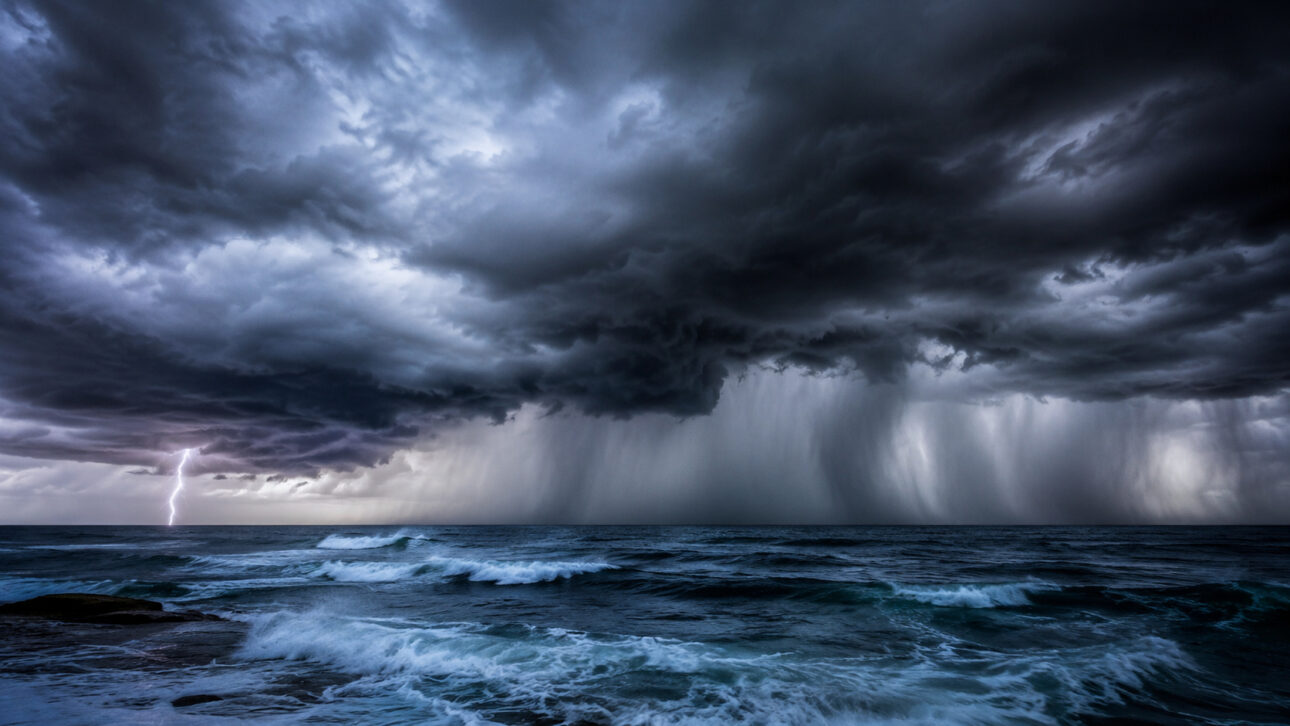
This movement is called an updraft. In simple words, it’s like a large column of air and water rising within the cloud, feeding the storm and helping to increase its size and intensity.
The INCUS mission will study this process closely. The goal is to better understand where, when, and why a tropical storm forms, grows, and can cause severe conditions.
Three satellites will observe the same storm in 30 and 90 seconds
A single satellite records only a part of what happens inside a cloud. The three satellites of the INCUS mission will fly in sequence and observe the same area in very close moments.
The first and the central satellite will have a difference of 30 seconds. Between the central satellite and the third, the interval will be 90 seconds. This organization creates a sequence of measurements, as if each device recorded a new chapter of the same storm.
The comparison helps researchers track rapid changes in clouds. This is important because many tropical storms can develop quickly, with large displacements of air and water.
Radars will measure the air and water rising inside the clouds
Each satellite will carry radars prepared to observe the vertical movement of air and water within storms. The radar uses waves to identify signals that cannot be clearly seen with the naked eye.
These measurements should show how water and air move to higher regions of the clouds. This detail helps to understand the process that transforms a charged cloud into an area of intense rain.
The central satellite will also have a microwave radiometer, equipment that enhances the reading of measurements made by the radars. It will be used to provide more context to the data about the rain within the storm.
The mission will also analyze the relationship between air temperature, humidity, pressure, and wind. These factors influence the growth of clouds and can change how a storm behaves.
Two satellites have already been tested, but the mission still depends on the launch
NASA, the United States government space agency, detailed on June 5, 2026 that two of the three satellites of the INCUS mission have already completed assembly and testing. The third equipment is still undergoing preparation before the launch scheduled for 2027.
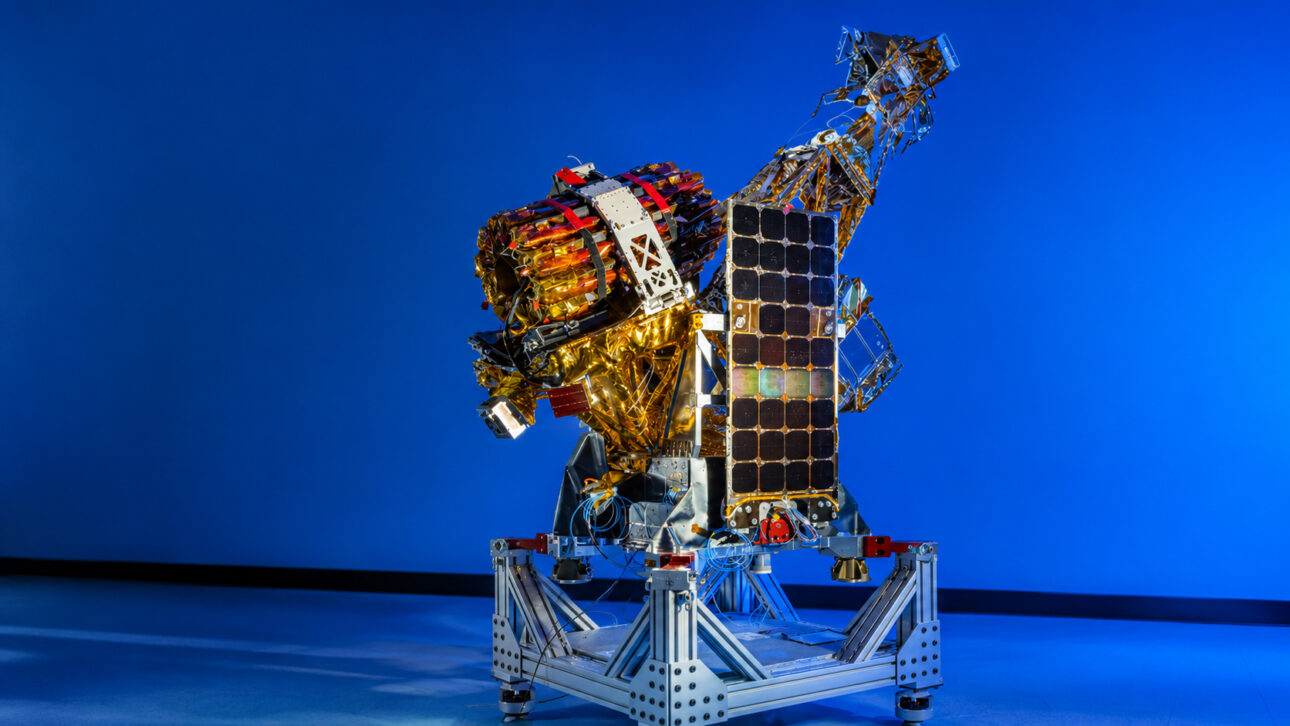
The two devices already tested underwent vibration and thermal vacuum tests. These stages simulate the impacts of the launch and the extreme temperatures the satellites will encounter in space.
The reflectors used by the radars also underwent deployment tests. After this phase, the two satellites returned for further checks and will be stored until they proceed to the NASA launch facility in Wallops, Virginia.
The completion of tests for the third satellite is scheduled not to occur before September 2026. Even with two pieces of equipment ready, the mission still needs to complete all stages before leaving Earth.
What the INCUS mission can change in the study of intense rainfall
The INCUS mission could expand knowledge about the formation of tropical storms and the behavior of very high clouds. This type of data can strengthen studies related to intense rainfall, available water, and risks caused by storms.
The focus is not to create an immediate alert system for Brazilian cities. The mission is a space research project that can help scientists improve the understanding used in weather forecasting models and planning in the face of severe events.
The practical utility will depend on the analysis of the data collected after the launch. Researchers will still need to verify the functioning of the satellites in orbit, gather measurements, and perform the scientific validation of the results.
The research does not yet mean ready forecasts for storms
The launch scheduled for 2027 will be just the beginning of the mission. Before generating useful results for research, the equipment will have to go through commissioning, a phase in which the functioning is checked in space.
After that, it will be necessary to collect information and compare the data with other meteorological measurements. This process is essential to confirm the quality of the observations and understand how they can be used in future studies.
The INCUS mission should be seen as a scientific research tool, not as a promise of immediate alert for heavy rain. The real expectation is to better discover how tropical storms form and change in intensity.
The three small satellites represent an attempt to observe tropical storms from a perspective difficult to achieve with ground-based equipment. The mission will record air and water movements within the clouds, but it still depends on the launch scheduled for 2027.
The project can expand the study of intense rainfall and help researchers understand processes that occur above cities, oceans, and forests. The results, however, can only be evaluated after the satellites operate in space.
Do you think understanding the interior of clouds can help cities better prepare for storms and large volumes of rain? Leave your opinion in the comments and share this publication.