Portuguese
  Spanish


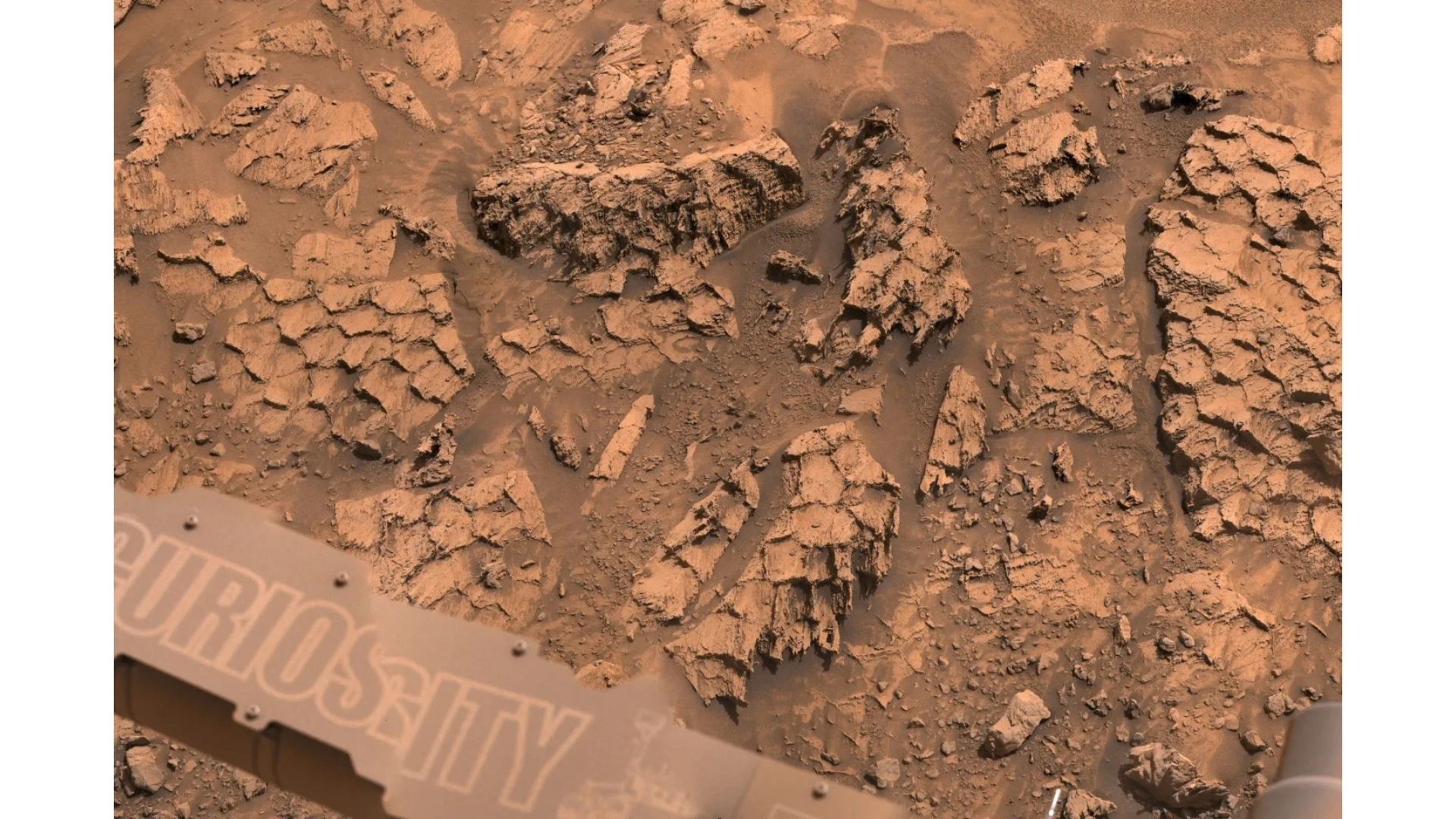

The sedimentary rocks found by the Perseverance rover show overlapping layers that aid in understanding the hydric and climatic history of the red planet.
The NASA Perseverance rover, in its ongoing exploration of the Jezero crater, captured images of a unique geological formation that visually resembles the scales of a massive cosmic reptile.
The rocks, located in an area of high scientific interest, exhibit overlapping geometric patterns and textures that intrigue the research team back on Earth. This morphological discovery offers new clues about Mars’ hydric history and the sedimentation processes that shaped the soil of the red planet billions of years ago.
Martian geology and the similarity to scales of a massive cosmic reptile
The identified structure has a layering organization that resembles the skin of a prehistoric animal, resulting from millennia of wind erosion and mineral deposition.
-
For the first time, scientists have seen the ocean floor open up in real-time—plates moving apart by two meters in a few days and 160 million cubic meters of lava emerging on the seafloor.

-
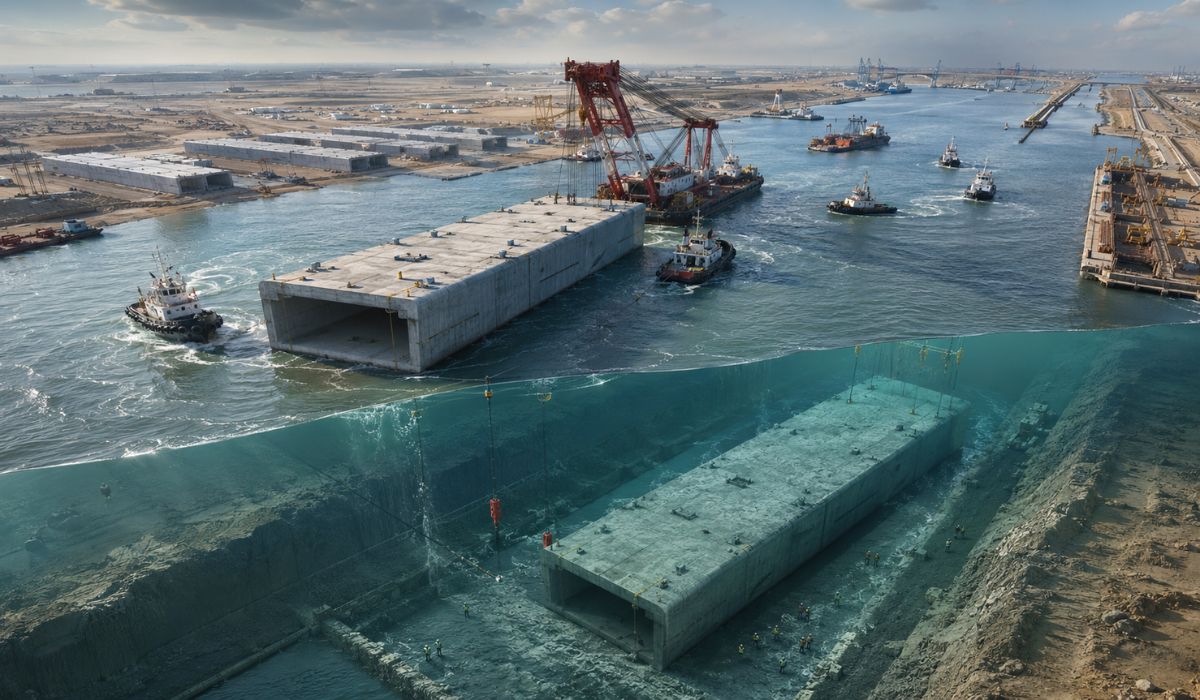
Iraq floats and sinks under an arm of the Euphrates 10 giant concrete boxes of 46,000 tons and 125 meters each to assemble a 2.4 km submerged tunnel and open a new land route between Asia and Europe.

-
Scientists use more than 20,000 artificial birds and solar speakers to “trick” seabirds, reactivate nesting routes, and revive a colony on an island that seemed abandoned.
-
She spent 73 years breathing inside an iron lung, survived the aftereffects of polio, and became the last woman in the United States dependent on the equipment before dying at 78 years old.



The mission geologists explain that the appearance of scales of a massive cosmic reptile is, in fact, a manifestation of natural fractures in the sedimentary rocks. These cracks occur when the material expands and contracts due to extreme temperature variations or when ancient mud deposits dried and hardened under specific environmental conditions.
Through the lenses of the Mastcam-Z, the rover documented that these “scales” have shades and chemical compositions that differ from the surrounding terrain. Preliminary analysis suggests that the formation of scales of a massive cosmic reptile may be related to the presence of clay minerals or carbonates, which typically form in the presence of liquid water.
This correlation is crucial for the Perseverance mission, which seeks evidence of environments that could have supported microbial life in Mars’ distant past.
Importance of sedimentary formations in the Jezero Crater
The location where the rocks in the shape of scales of a massive cosmic reptile were found is considered an ancient river delta, where the flow of water deposited sediments in successive layers. The preservation of these patterns indicates that the region underwent complex cycles of geological activity before becoming the arid desert observed today.
The study of these layers allows scientists to reconstruct the chronology of the fluvial events that occurred within the Jezero crater.
The discovery of the scales of a massive cosmic reptile also aids in target selection for soil sample collection. The Perseverance uses its drill to extract rock cores from these specific areas, which will be sent back to Earth by subsequent missions. The scaly texture may indicate the presence of organic materials preserved between the rock strata, which would be an unprecedented discovery in space exploration.
Advances in robotic exploration and image analysis
The identification of curious formations, such as the scales of a massive cosmic reptile, demonstrates the effectiveness of artificial intelligence systems applied to the rover’s navigation.
The robot is capable of identifying visual anomalies in the terrain and prioritizing high-resolution photographs for later human analysis. This autonomy allows the mission to cover larger areas of the planet, focusing on points that present the greatest potential for relevant scientific discoveries.
Although the image of the scales of a massive cosmic reptile fuels the public’s imagination, NASA emphasizes that such shapes are classic examples of geological pareidolia. The science behind the image reveals a planet that was once dynamic and potentially habitable, holding secrets in every layer of fragmented rock.
The Perseverance continues its journey towards the edges of the crater, where new equally enigmatic formations await to be cataloged and studied.
With information from Futurism