Portuguese
  Spanish


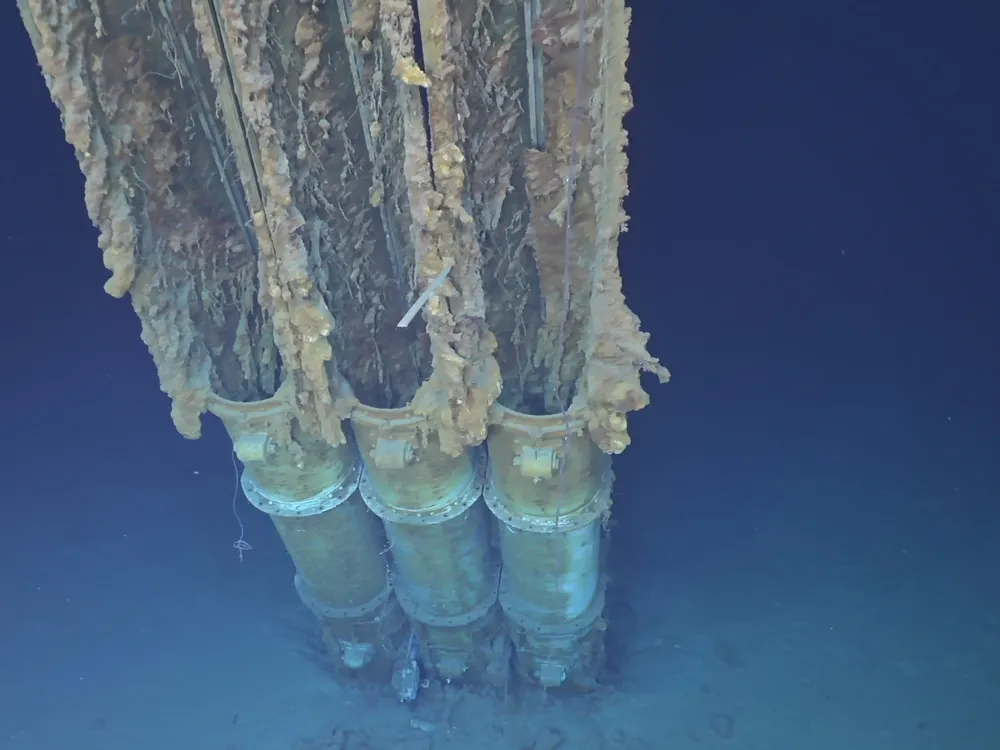

The Deepest Wreck in the World Was Discovered in the Philippines. Discover the Amazing Depth Where a US Destroyer, Sunk in World War II, Was Found on the Seabed!
The deepest wreck in the world has been found in the waters of the Philippines, revealing an impressive historical discovery. It is a destroyer from the US, sunk during World War II.
The expedition was led by explorer Victor Vescovo of Caladan Oceanic Expeditions, in collaboration with EYOS Expeditions, a British company specializing in maritime exploration. The US Navy confirmed the discovery, bringing to light an extraordinary chapter in American naval history.
The USS Samuel B. Roberts, also known as “Sammy B”, was recently discovered at a depth of 22,916 feet (about 7,000 meters) in the Philippine Sea.
-
65-year-old man lived in Arizona forest for 8 years, built illegal campsite, and accumulated half a ton of trash before being discovered by U.S. Forest Service agents

-
Former Biology Teacher Turns Financial Education App into a $1.2 Million Success in Brazil

-
Brazilian Entrepreneur Launches Staff-Free Laundry Chain with 636 Locations Nationwide, Generating $5 Million in Revenue
-
From Painting Houses in the U.S. to Producing Beyoncé and Paul McCartney Shows, Entrepreneur Opens Luxury Hotel in Brazil’s Trancoso with $8 Million Revenue Goal


The Sammy B has a story of heroism and bravery that dates back to World War II. The ship was named after helmsman Samuel Booker Roberts Jr., who distinguished himself in the Battle of Guadalcanal in 1942.
Roberts died in battle by steering his boat directly into enemy fire to protect his comrades. In 1944, the destroyer named after him was commissioned and played a crucial role during the Battle of Samar, facing a Japanese fleet that was vastly superior in numbers and firepower.
During this battle, the Sammy B and other small American vessels faced the Japanese Central Force, made up of warships, cruisers, and the mighty Yamato, the largest battleship ever built.
Despite the odds, the destroyer managed to damage and delay enemy ships, allowing other American forces to regroup. However, the Sammy B was hit by the Yamato, a battleship of the Imperial Japanese Navy. Ninety-nine crew members died, and another 120 were rescued after spending up to 50 hours clinging to the wreckage.
The Technology Used in the Discovery
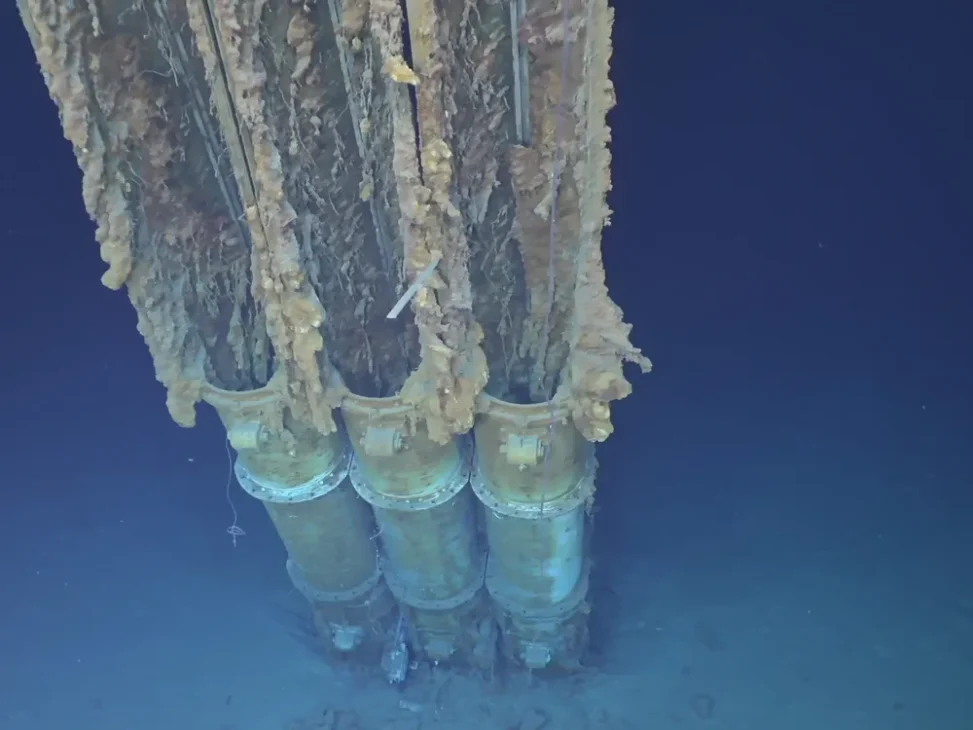
The location of the USS Samuel B. Roberts represented a significant milestone for underwater exploration. The extreme depths at which the ship was found present adverse conditions, with low oxygen levels, which helped preserve the wreck over the years.
Victor Vescovo highlighted that even after the ship had been split into two parts, it remained in good condition. Bullet holes and damage caused by the Yamato were still visible, telling the story of an intense and fierce struggle.
The expedition faced considerable challenges due to the extreme depth. About 98% of the world’s oceans are shallower than the nearly 23,000 feet deep where the Sammy B rests. However, with the use of innovative technologies and a detailed investigative approach, the team was able to locate the wreck.
Kelvin Murray, EYOS Expedition Operations Director, commented on the historical and emotional significance of the mission, which honors the sailors of all nations who fought during this epic battle.
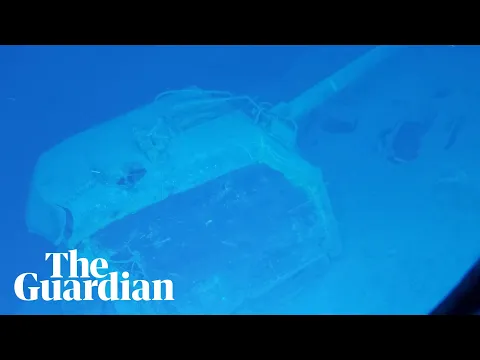

This discovery follows the success of a previous expedition that located the USS Johnston, another World War II wreck found at over 21,000 feet deep in the Philippine Sea. Both ships have been preserved by the extreme conditions at the ocean floor, allowing their story and sacrifice to be retold for future generations.
The discovery of the Sammy B not only brings to light a milestone in naval history but also demonstrates the advancement of underwater exploration technologies, which continue to uncover mysteries from the ocean depths.