Portuguese
  Spanish


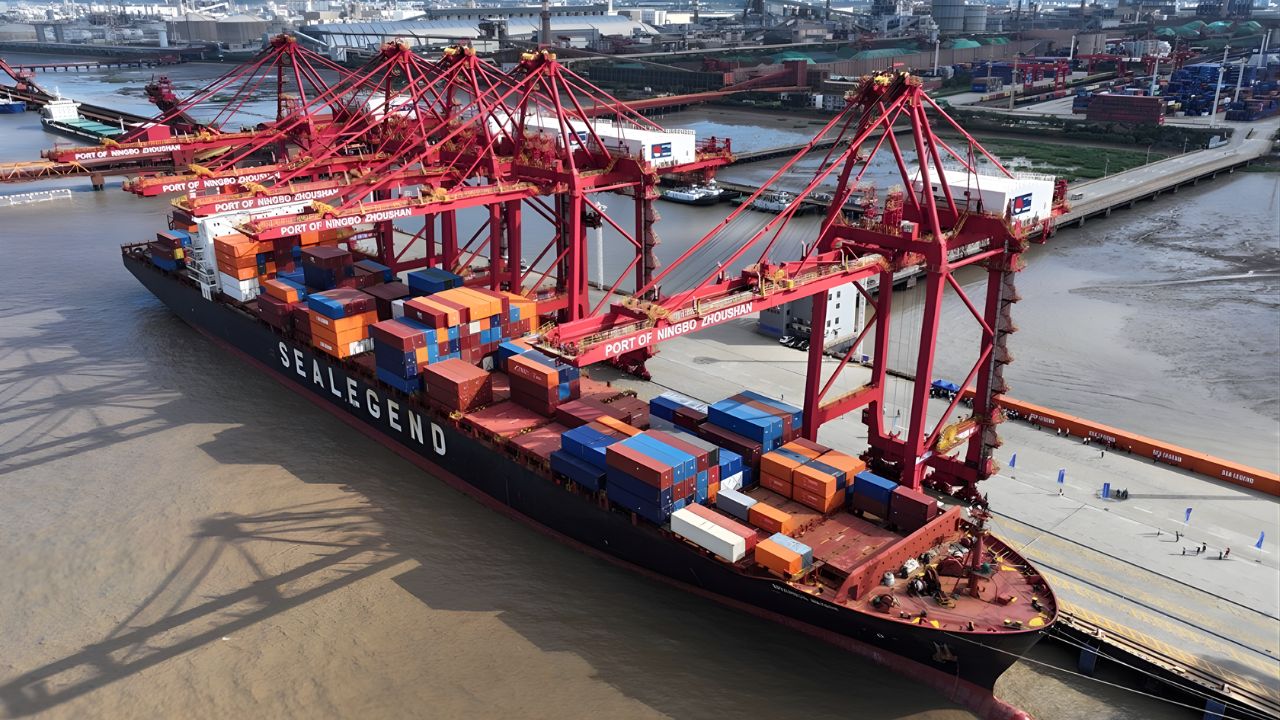


Istanbul Bridge Completes Arctic Crossing in Just 20 Days, Transporting 4,000 Containers and Halving the Shipping Time for Goods from China to Europe. Discover the Logistical and Strategic Impacts of This Innovative Route.
A historic feat was recorded by the container ship Istanbul Bridge, which completed a crossing through the Arctic to the British port of Felixstowe, halving the time required to ship goods from China to Europe.
The vessel carried about 4,000 containers with strategic products, such as lithium-ion batteries, solar panels, and parts for electric cars, showcasing the route’s potential to accelerate international logistics.
The ship departed from the Chinese port of Ningbo-Zhoushan on September 22 and completed the journey in 20 days, even facing a two-day delay due to a storm off the coast of Norway.
-
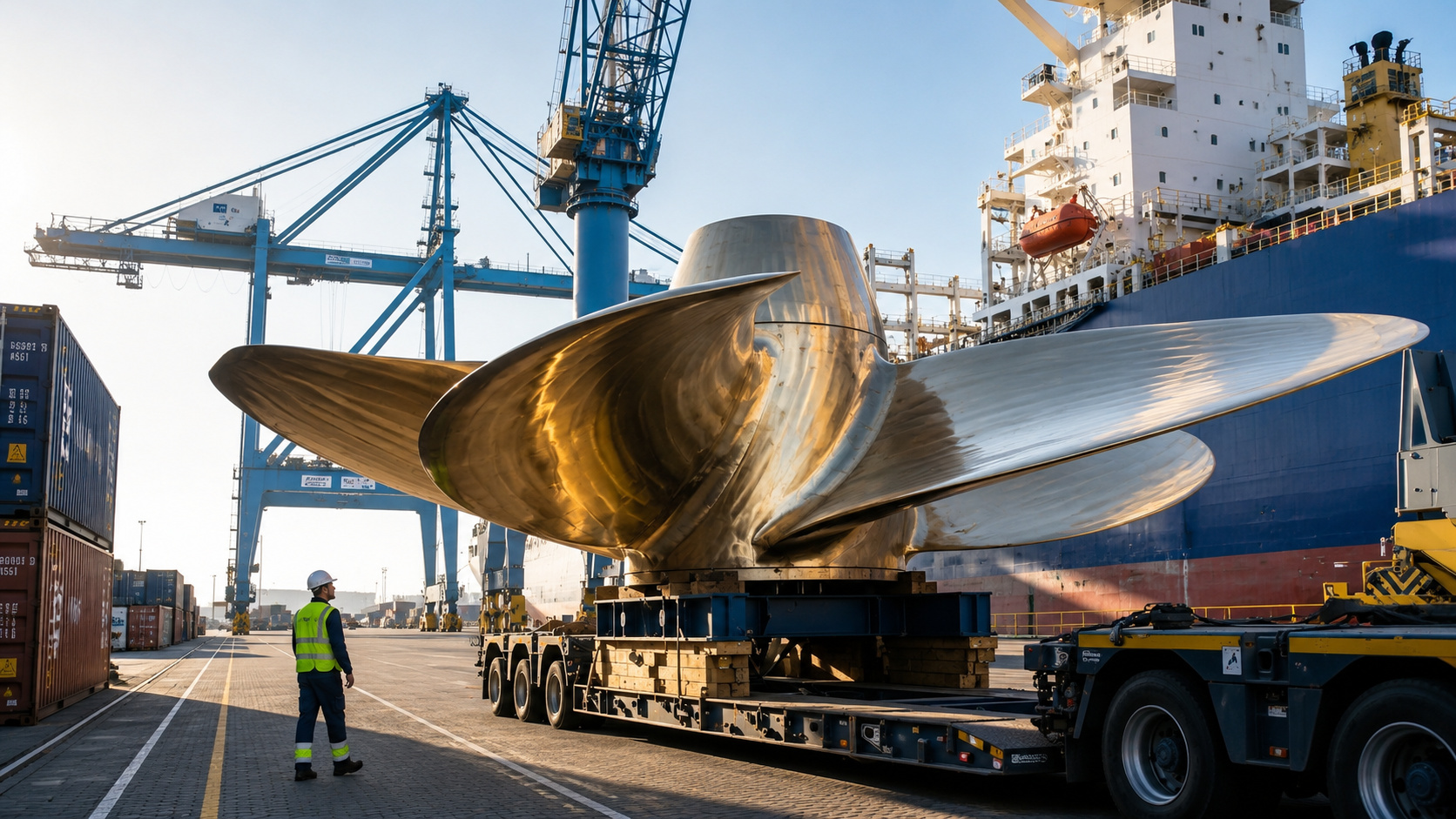
131-Ton Naval Propeller, Costing Up to $4 Million and Taking 4 Months to Manufacture, Powers the World’s Largest Cargo Ships Almost Invisibly

-
Brazil’s Maceió Port Joins Decarbonization Efforts with Study to Supply Clean Energy to Cruise Ships

-
Brazilian Port Expands Ship Capacity to 9.5 Meters, Boosting Cargo Transport and Reducing Logistics Costs
-
Three Chinese companies manufacture more than 96% of the world’s dry cargo containers and 100% of refrigerated ones, in a dominance built over 40 years that has made it almost impossible for the West to compete in this market.



By comparison, the route via the Suez Canal typically takes 40 to 50 days.
Istanbul Bridge and the Northern Sea Route
The crossing occurred via the Northern Sea Route, entirely located within Russia’s exclusive economic zone.
The melting of ice in the Arctic has opened a seasonal window for navigation, allowing ships to undertake previously unviable routes.
According to Reuters, the Arctic has warmed four times faster than the global average in the past four decades, enabling regular trade routes over this region.
For China, this alternative reduces dependency on traditional corridors such as the Malacca Strait and the Suez Canal, especially amid trade tensions with the United States.
Economic and Environmental Benefits of the New Route
The operator Sea Legend Line Limited emphasizes that the shorter route also reduces CO₂ emissions. According to Li Xiaobin, operations director, “the low temperatures help preserve high-tech components and calmer seas reduce the risk of damage.”
Fang Yi, the company’s CEO, adds that the Arctic route could reduce inventory levels by up to 40%, increasing logistical efficiency.
For sectors such as electric vehicles, the reduction in transit time directly impacts delivery speed and tied-up capital.
Europe: Strategic Destination and Growing Market for China
The Istanbul Bridge arrived in Felixstowe with cargo destined for ports in Germany, Poland, and the Netherlands.
Recent data indicates that in September, Chinese exports to Europe increased by 14% compared to the same period last year, while those to the United States fell by 27%. The route reinforces Europe as a priority market for China.
Despite the logistical advantages, the new route brings strategic implications. Europe’s dependence on Chinese trade may increase, coinciding with measures by the European Union to protect its electric vehicle industry.
Meanwhile, the U.S. is bolstering its presence in the Arctic; recently, Washington and Finland signed an agreement to build an icebreaker fleet, ensuring control in the region and competing for space with Beijing and Moscow.
After Felixstowe, the Istanbul Bridge will proceed to Hamburg, and Sea Legend Line plans to expand its operations in 2026, with more ice-class vessels in the summer.
In winter, when the route will be blocked by ice, the company intends to strengthen services to Eastern Europe.
With information from Xataka