Portuguese
  Spanish



The Measure Came Amid an Effort by the Federal Government to Open the Natural Gas Market – Currently Very Concentrated in Petrobras’s Activities
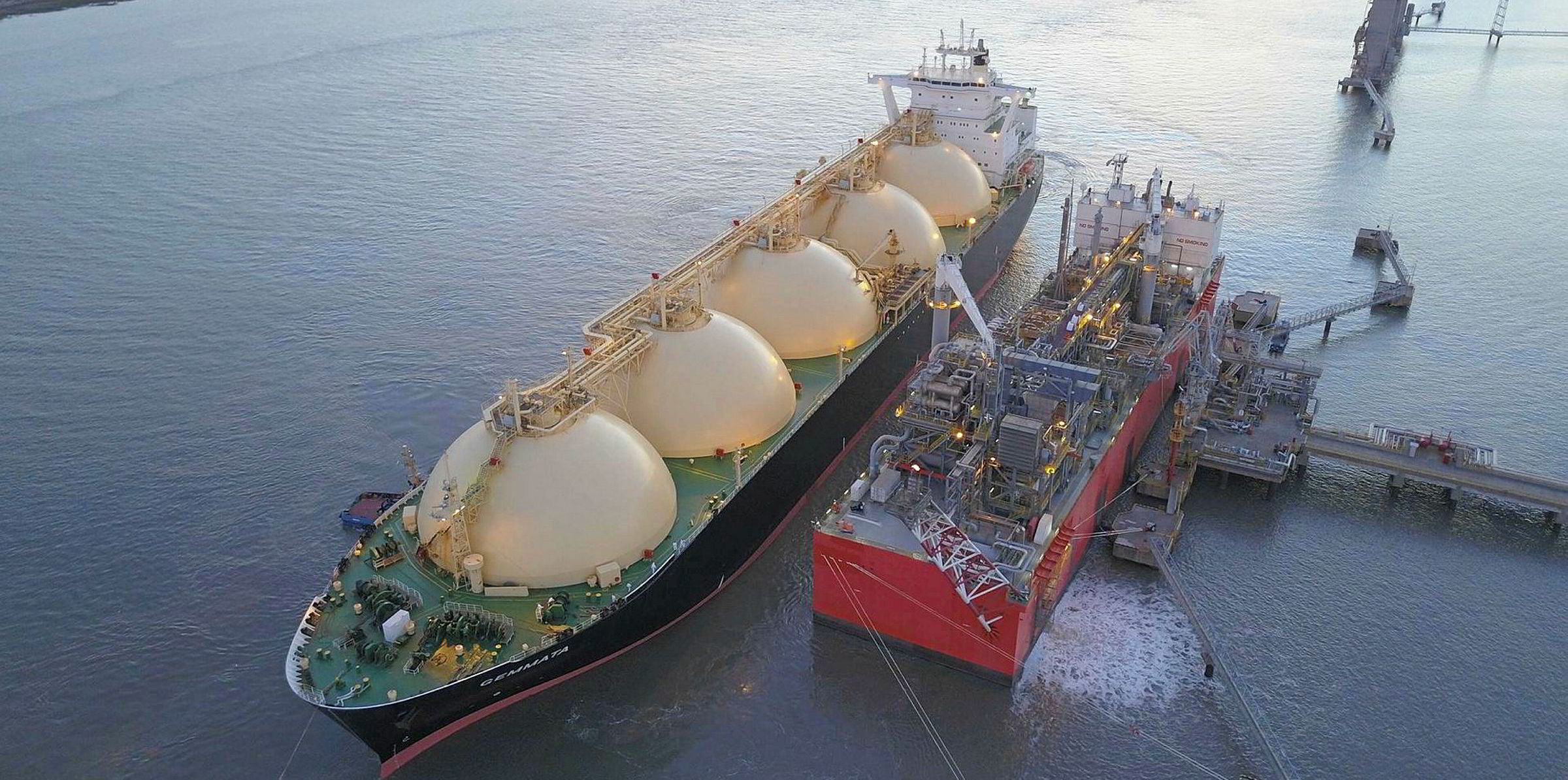
According to the Ministry of Infrastructure, in order to meet requests from the industry, the Federal Revenue Service included regasification vessels among the areas eligible for customs clearance, providing legal certainty for entrepreneurs wishing to import Liquefied Natural Gas (LNG). Sale of Petrobras’s Stake in CDGN Logistics is Approved by Cade.
Read Also
-
Qantas and Airbus Invest in Company Aiming to Convert Unsorted Household Trash into Jet Fuel

-
Brazil’s ANP Opens 86 New Oil Blocks in the Equatorial Margin, Expanding the Amazon River Mouth Frontier

-
OPEC+ Boosts Oil Supply by 188,000 Barrels per Day in July 2026, Leading to Price Drop from $112 to $89 per Barrel in Under Two Months

-
TotalEnergies Signs 20-Year Deal to Purchase 2 Million Tons of LNG from Alaska, Boosting Project Viability


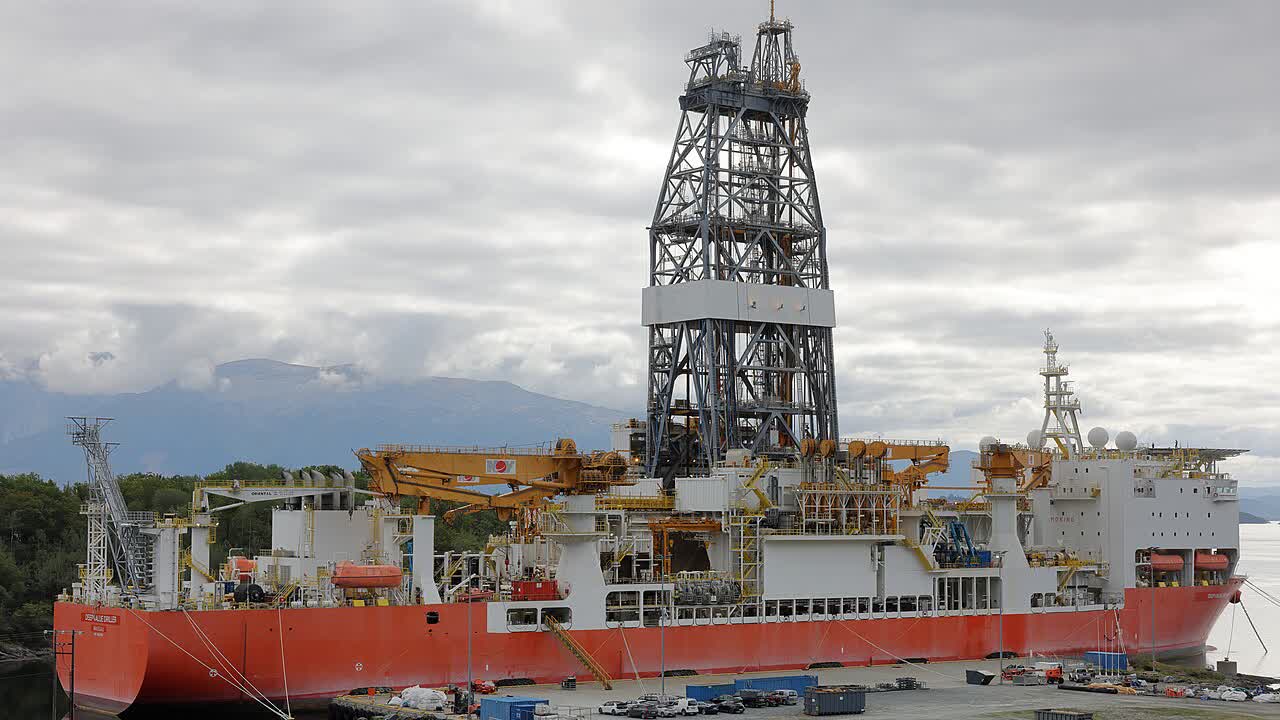
- Petrobras Extends Maintenance Contract for Drilling Rigs with Forship Engenharia
- Resume Registration for High School and College Job Openings at a Human Resources Company
- Job Openings to Support Contracts in Comperj and São Paulo, by a Civil Engineering Company
Regasification ships have received EXPRESS authorization to import LNG into Brazil and convert it to gas at the floating stations in Brazilian jurisdictional waters.
The ordinance was published yesterday, March 11. The previous rules did not provide explicit authorization for customs clearance, “which created legal uncertainty.”
The Minister of Infrastructure, Tarcísio Freitas, stated in a note that the measure brings new prospects for the Brazilian market.
“The regulation now clearly states that the stations can be cleared and can receive imported LNG for internalization in Brazil. Entrepreneurs were making billion-dollar investments without the legal certainty that they could invest,” Freitas said.
The measure came amid an effort by the federal government to open the natural gas market – now very concentrated in the activities of Petrobras – attracting private investments and competition, said lawyer Jeniffer Pires from Kincaid Mendes Vianna to Reuters.
“The entire sector had been seeking a change in the customs clearance ordinance for about two years… it did not support these vessels,” Pires said in a phone interview.
For her, the ordinance was an important step forward for the sector’s development. “There was a bottleneck, as these vessels arrived in the country and could not get customs clearance,” she said.