Portuguese
  Spanish


Discover why the flag of Nepal is the only one in the world without a rectangular shape. Understand the history, the geometric rigor, and the symbolism behind this unique design.
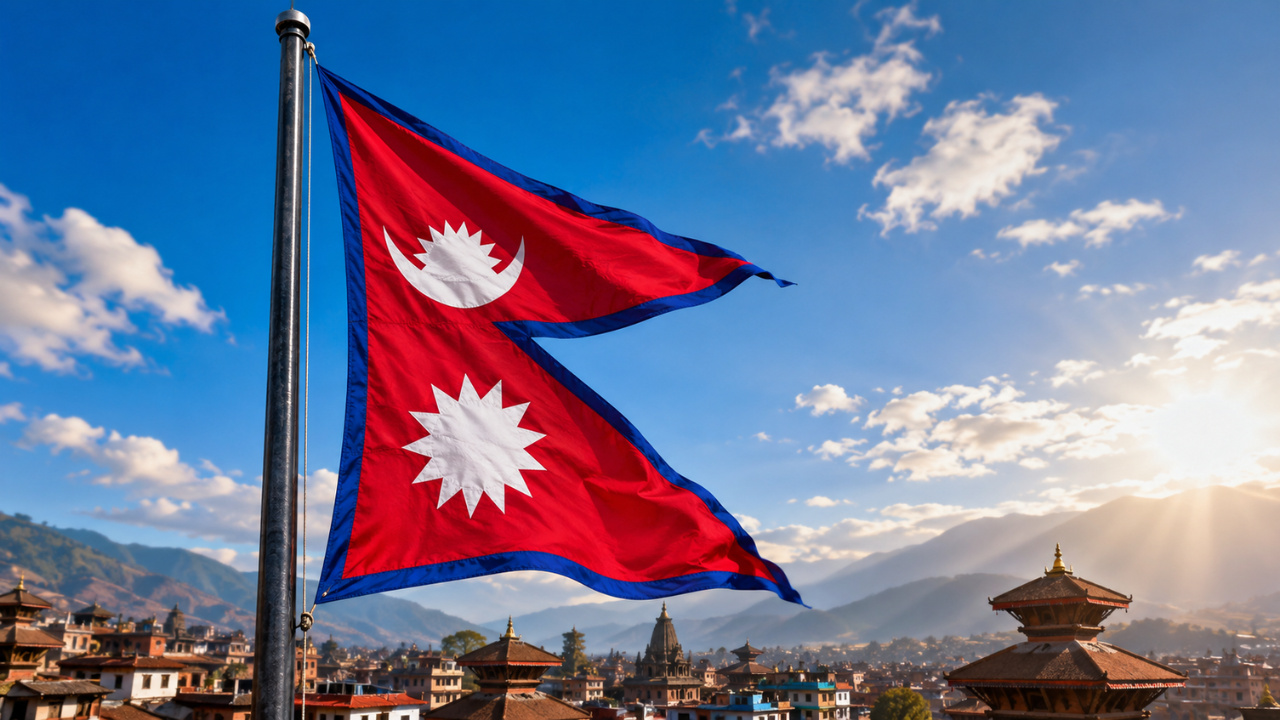
In the international scene, where the rectangular standard reigns supreme in almost all national flags, the flag of Nepal emerges as a notable exception. Composed of two overlapping triangles, it is the only sovereign banner that defies the geometric logic adopted by the rest of the world, maintaining a tradition that has resisted the pressures of colonization and historical standardization.
The prevalence of rectangles did not happen by chance. With the consolidation of national identities from the 17th century onwards, maritime navigation propelled this shape, as rectangular banners wave more efficiently on ship masts, facilitating recognition from a distance.
While other nations of the Indian subcontinent were influenced by Western standards, Nepal preserved its style of triangular pennant, a model that was once common throughout Asia.
-
Archaeologists Discover 1,600-Year-Old Church with Colorful Mosaics and Ancient Christian Worship Site in Italy

-
Humanoid Robots and AI Take Over Texas Park in Apptronik’s Apollo 2 Training for Factory and Logistics Work

-
Volunteer in London Discovers Rare Copy of U.S. Declaration of Independence Missing for Nearly 250 Years
-
16 Children Found in Ohio Home in Shocking Conditions, Authorities Investigate How It Went Unnoticed for Years




Flag of Nepal: Cultural significance and the symbolism of the stars
Although the exact origin of these symbols is complex, the composition of the flag of Nepal deeply reflects the local culture.
The use of crimson and dark blue, for example, is not arbitrary, as these shades have been extremely popular in Nepalese decoration and art for centuries.
In the center of the pennant, two celestial icons dominate the design:
- The Sun and the Moon: For many, they represent the hope that the nation endures as long as the stars in the sky.
- Ruling dynasties: There are interpretations that link these symbols to the power of the Rana and Shah families, who have ruled the country for the last 500 years.
- Values: Other meanings attributed to the banner include national pride and peace.
According to researcher Scot Guenter, from the Flag Research Center, the meaning of the flag of Nepal is fluid and evolves over time.
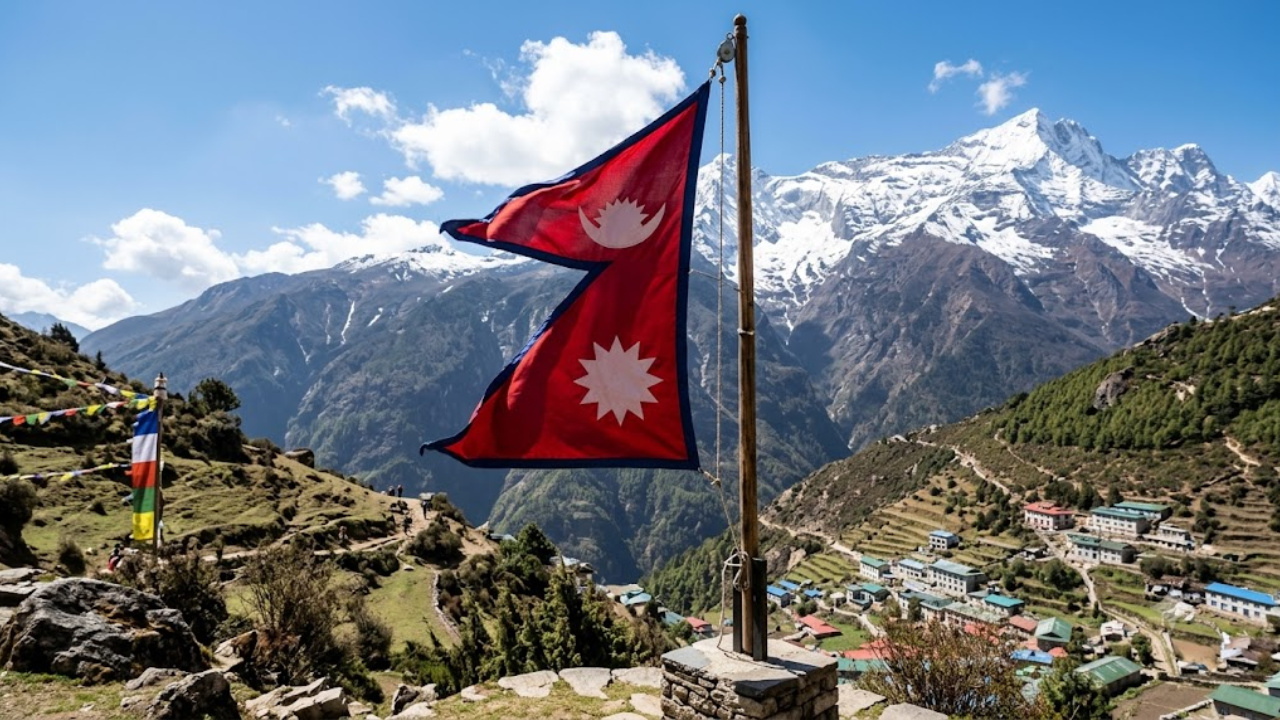
It is worth noting that, although there is a popular belief that the triangles represent Mount Everest, there is no academic consensus on this connection, keeping the design shrouded in historical mystery.
Constitutional rigor: protecting uniqueness
One of the most curious points is that the flag of Nepal is not just a traditional emblem; it is a geographic document protected by law.
In 1962, when signing its new Constitution, the country did not seek to align with global formats but rather to reinforce its uniqueness.
The constitutional text includes a detailed section that precisely defines:
- The angles of each triangle.
- The exact proportions of the structure.
- The color patterns that must be followed.
This strict legislation prevents the symbol from being drawn randomly, ensuring that the flag of Nepal maintains its geometric integrity in any official circumstance.
A living link with the past
Professor Dayaram Shrestha points to evidence of the use of similar pennants as early as around the year 450, although their political relevance only crystallized with the unification of the country in the 19th century.
Before the era of national flags, standards functioned only as war crests or symbols of royal lineages.
By not having been subjected to British colonization in the same way as its neighbors, Nepal was able to maintain this “living fossil” of Asian tradition.