Portuguese
  Spanish


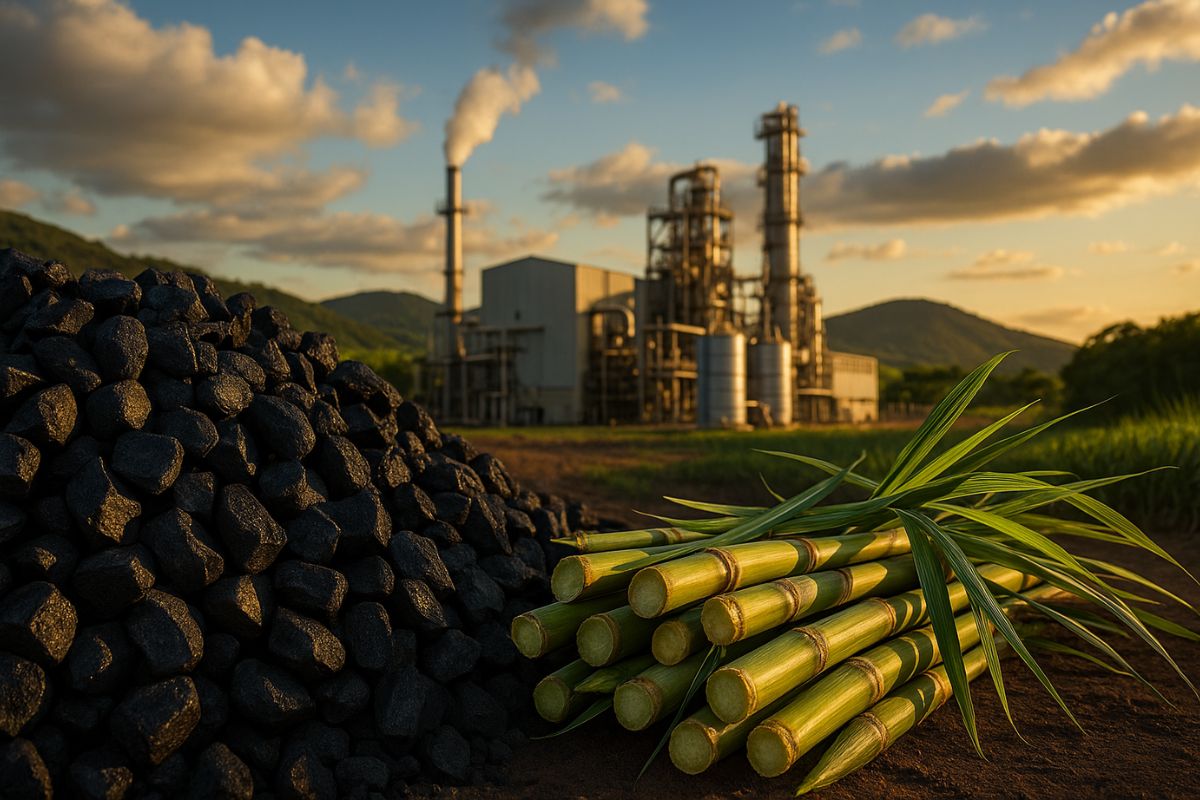

French Startup Bets on Using Sugarcane to Produce Sugarcane Biochar, Technology That Captures Carbon and Improves Soil Quality.
The French startup NetZero announced the inauguration, in February 2025, of a pioneering factory in Campina Verde (MG) dedicated to the production of sugarcane biochar. The unit will have an initial capacity of 4,000 tons per year, consolidating Brazil as a strategic hub in the production of this technology.
According to the Jornal de Brasília, the proposal is to transform sugarcane waste, abundant in the country, into a product considered promising for capturing CO₂ from the atmosphere and regenerating agricultural soils, opening new opportunities in sustainability and carbon credits.
What Is Sugarcane Biochar and How Does It Work
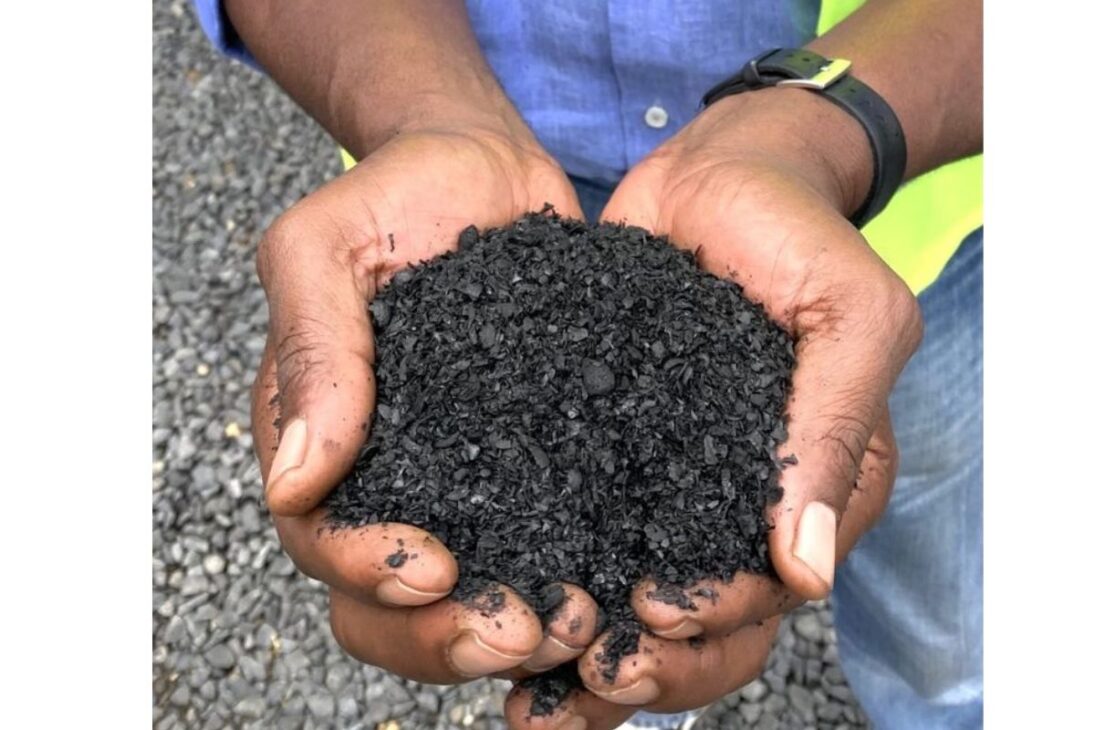
Biochar from sugarcane is obtained through pyrolysis, a process that consists of the controlled burning of plant waste at high temperatures.
-
Brazilian Family’s Cheese, Started with One Cow in 1984, Named Best in the World, Beating 2,700 Competitors from 30 Countries

-
Brazilian Ranchers Use Satellites to Optimize Pasture Management and Prevent Feed Loss in Cattle Farms

-
Russia Follows China in Recognizing Brazil as Free from Foot-and-Mouth Disease Without Vaccination, Boosting Meat Exports and Agribusiness Potential

-
23-Year-Old Brazilian Turns Beekeeping into College Tuition, Harvesting Honey Twice a Year from 50 Hives




This technique allows for the retention of carbon absorbed by plants during growth, preventing it from returning to the atmosphere and contributing to global warming.
In addition to its environmental impact, the product has high porosity, which favors water and nutrient retention in the soil, making it more fertile and resistant to drought periods.
According to experts quoted by NetZero, it is a solution with dual benefits: reducing emissions and increasing agricultural productivity.
Why Minas Gerais Was Chosen for the Factory
The choice of Campina Verde, in Minas Gerais, was not by chance. The region is one of the largest sugarcane cultivation hubs in Brazil, which ensures an abundance of raw material for the project.
It is estimated that the country is responsible for 40% of the global sugarcane waste, totaling 700 million tons per year.
The stalks that will supply the new unit will be provided by a large local agricultural company, which will also use sugarcane biochar in its own plantations, reinforcing the circular economy and sustainable use of waste.
NetZero and the Bet on Carbon Capture
Founded in 2021 by Olivier Reinaud, Axel Reinaud, and climatologist Jean Jouzel, NetZero already operates five biochar factories worldwide—four in Brazil, focused on coffee waste, and one in Cameroon.
Now, the company is expanding its operations with the first plant dedicated exclusively to sugarcane.
According to Olivier Reinaud, “we are the first to register with the Brazilian Ministry of Agriculture the biochar as a means to improve soil.”
In recent years, the startup has also attracted investors through the sale of carbon credits, which made it possible to expand its model to tropical countries.
The Expected Impact on the Agricultural and Environmental Sector
The Minas Gerais factory is expected to mark a leap in the industrialization of biochar in tropical regions, creating a replicable model for other sugarcane-producing areas.
Experts believe that the technology can be fundamental in reducing emissions from the agricultural sector, which is responsible for a significant share of global CO₂.
In economic terms, sugarcane biochar paves the way for new sources of revenue through the valuation of carbon credits, while also providing direct benefits to farmers in the form of more fertile and productive soils.
NetZero’s initiative in Minas Gerais shows how sugarcane biochar can transform agricultural waste into sustainable assets, reconciling environmental preservation and productivity.
With 4,000 tons per year expected in the first year, Brazil reinforces its position as a protagonist in the transition to greener practices.
Do you believe that sugarcane biochar can truly become a large-scale solution for Brazilian agribusiness? Do you think this technology can change the agricultural market?
Leave your opinion in the comments, we want to hear your views on the impact of this project.