Portuguese
  Spanish


The recipe has no glamorous secret: a lot of work and no idle land. In a small area, every corner produces something, from the garden that goes to the market to the cattle fed with their own silage. The producer himself insists that the result requires daily effort and does not go well with laziness.
In just 36 hectares in the Northwest of Minas Gerais, the rural producer known as Sô Neném claims to earn up to 15 thousand reais per week just from market sales. The secret, according to him, lies in the diversification of the small property, which combines a garden, dairy and beef cattle, corn silage production, and even fish farming, making the most of every piece of land, in a logic where nothing remains idle.
The story was shown in a video visit to the property, located in the region between the cities of Unaí and Paracatu. It is important to clarify from the start that the values mentioned are the producer’s own claims, not audited data, and that each property has a distinct reality of soil, climate, labor, and market. Even so, the case draws attention for illustrating good management and handling practices that can inspire other small producers, as we will see below, always with feet on the ground.
The strength of diversification in a small area
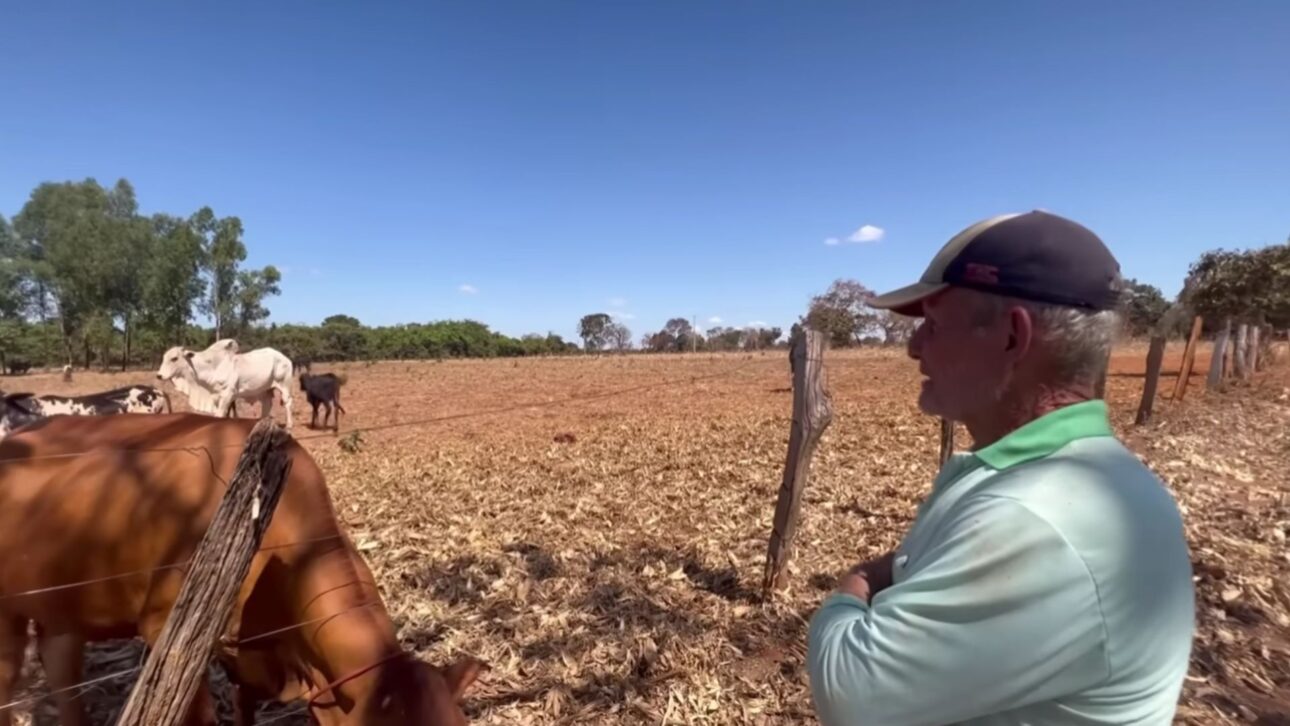
Instead of betting everything on one product, the producer maintains a varied garden, dairy and beef cattle, fish, and free-range chickens on the same property, so that if one activity yields less at a certain time, the others help balance the accounts, ensuring cash flow throughout the year.
-
Chinese Farmers Develop “Blanket Greenhouses” to Grow Vegetables in Extreme Winter Without Heaters

-
Centuries Before Modern Greenhouses, English Gardeners Used Horse Manure to Grow Pineapples in Cold Climates

-
Sugarcane Cultivation in India: A Symbol of Water Stress and Environmental Strain Amidst Global Demand for Sugar and Green Fuel
-
Innovative Farm in Northeastern Brazil Combats Drought with Advanced Techniques, Aiming for 10,000 Liters of Milk Daily Production


In the garden, he mentions growing items such as chives, lettuce, parsley, okra, papaya, pumpkin, and green corn, harvested by the family and taken to the market.
According to the producer, direct sales to consumers, always in cash and without credit, is what sustains the weekly income he mentions.
This combination of horticulture with livestock is what technicians call a diversified property, a model closely associated with family farming and good management of small areas.
Cattle Feed First
In the livestock sector, the producer advocates a very clear order of priorities.
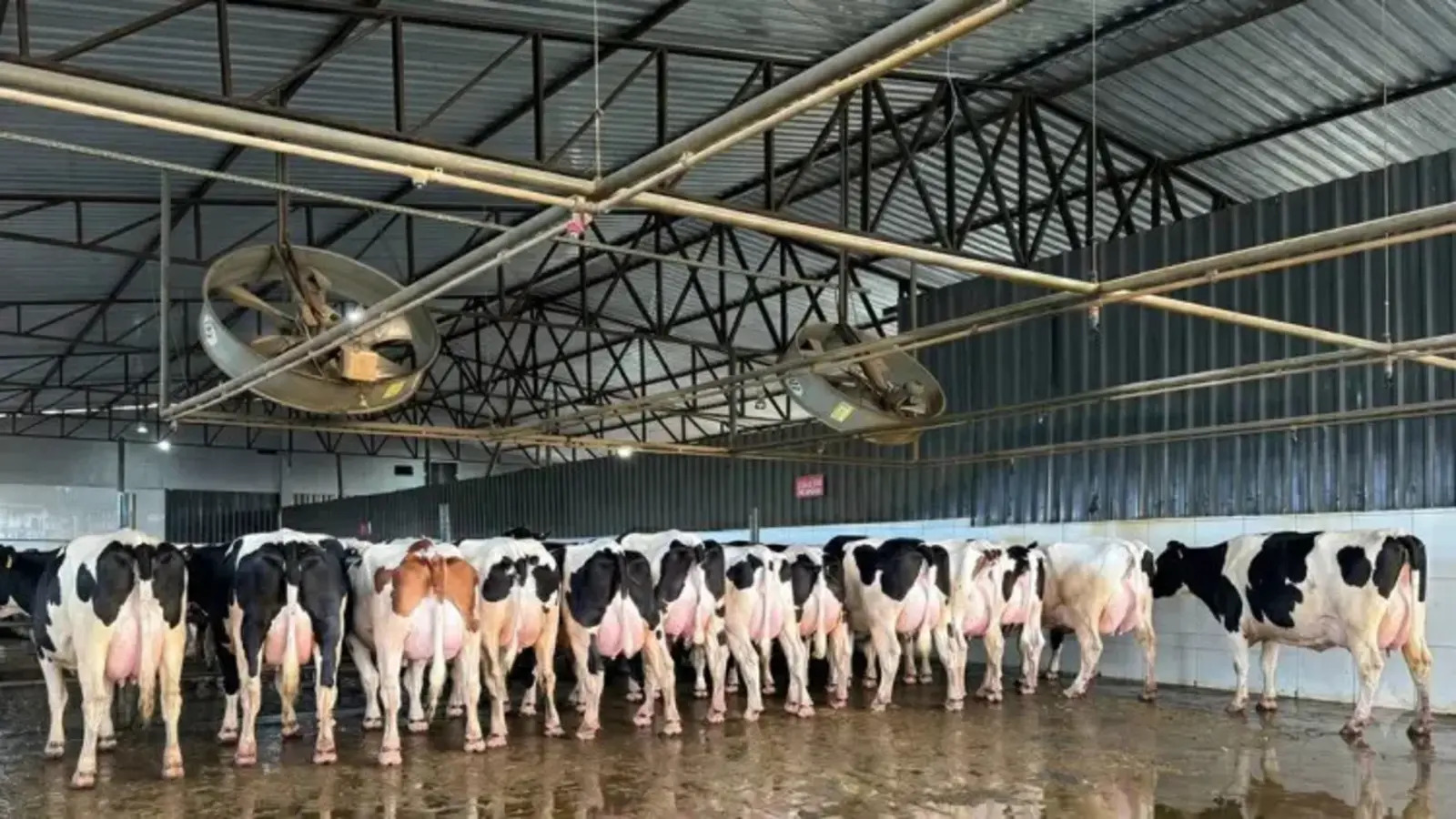
For him, before increasing the herd, it is essential to ensure the animals’ feed, summarizing his philosophy with the idea that cattle feed comes first and only then the cattle themselves, at the risk of incurring losses if done otherwise, especially on a property with limited area.
Therefore, he invests in the production of corn silage, a way to preserve the entire chopped plant to feed the cattle during periods of pasture scarcity.
In the video, he demonstrates how he evaluates the quality of the silage by its smell and the presence of well-distributed corn grains.
He also criticizes the practice of paying for rented pasture, stating that, in his experience with a small area, this would only bring losses, reinforcing the importance of producing one’s own feed within the farm gates.
The Management Techniques That Make a Difference
Some technical choices help explain the productivity of the small area.
One of them is the use of agricultural gypsum to condition the soil, a practice that, according to Embrapa, carries calcium to deeper layers and helps roots penetrate deeper, making plants more resistant to drought, without replacing lime, which is the product used to correct acidity on the surface.
The producer emphasizes that properly correcting the soil is essential, warning that many people complain about poor results precisely because they have not corrected the soil adequately.
Another technique he adopts is the use of a Nelore bull to cross with dairy cows, producing beef calves that are sold young, between six and eight months, for values he estimates around twelve hundred to thirteen hundred reais per animal, adding another source of income to the system.
Hard Work, Not a Magic Formula


Despite the mentioned revenue, the producer himself makes a point of dispelling any illusion of easy money.
He repeats that the result comes from a lot of work, that the activity is for those who are not lazy and that, although it requires a lot of effort, it is better than standing still, making it clear that there is no miracle, but rather daily dedication from the whole family in dealing with the land and animals.
This point is important for the story to be seen with balance.
Results like those reported depend on a series of factors, such as location, soil quality, access to water, available labor, and demand at the local market, which vary greatly from one region to another.
More than promising guaranteed gains, the case serves to show how organization, intelligent use of space, and management knowledge can make a difference in the lives of those who live off the land.
What the small producer can learn from the case
Beyond the numbers, there are management lessons that tend to apply to many contexts.
The full utilization of the property, diversification of income sources, priority to herd feeding, proper soil correction, and direct sales to the consumer are principles advocated by experts in family farming as ways to increase the profitability of small areas, although always adapted to each reality.
It is worth remembering that decisions about fertilization, soil correction, pasture management, and animal health should ideally have the guidance of a professional, such as an agronomist or a zootechnician, who knows the particularities of each region.
Inspiring cases like that of this producer from Minas Gerais gain even more value when combined with technical assistance, planning, and access to credit and market, factors that help the small producer grow more safely.
The trajectory of the producer known as Sô Neném, in his small property in Northwest Minas, is a portrait of how diversification and well-organized work can transform 36 hectares into a productive engine.
Although the reported earnings are personal accounts and depend on many factors, the practices he adopts, from quality silage to soil correction and direct sales at the market, align with what is most established in the management of small areas.
In the end, the message is that, in the field, effort, knowledge and management usually go hand in hand with good results.
And you, do you know any small producer who makes the property thrive with diversification and hard work? What did you think of the strategies adopted by Sô Neném? Leave your comment, share your experience in the field, and help spread the word to those who live from family farming and seek inspiration and good practices for daily life.