Portuguese
  Spanish


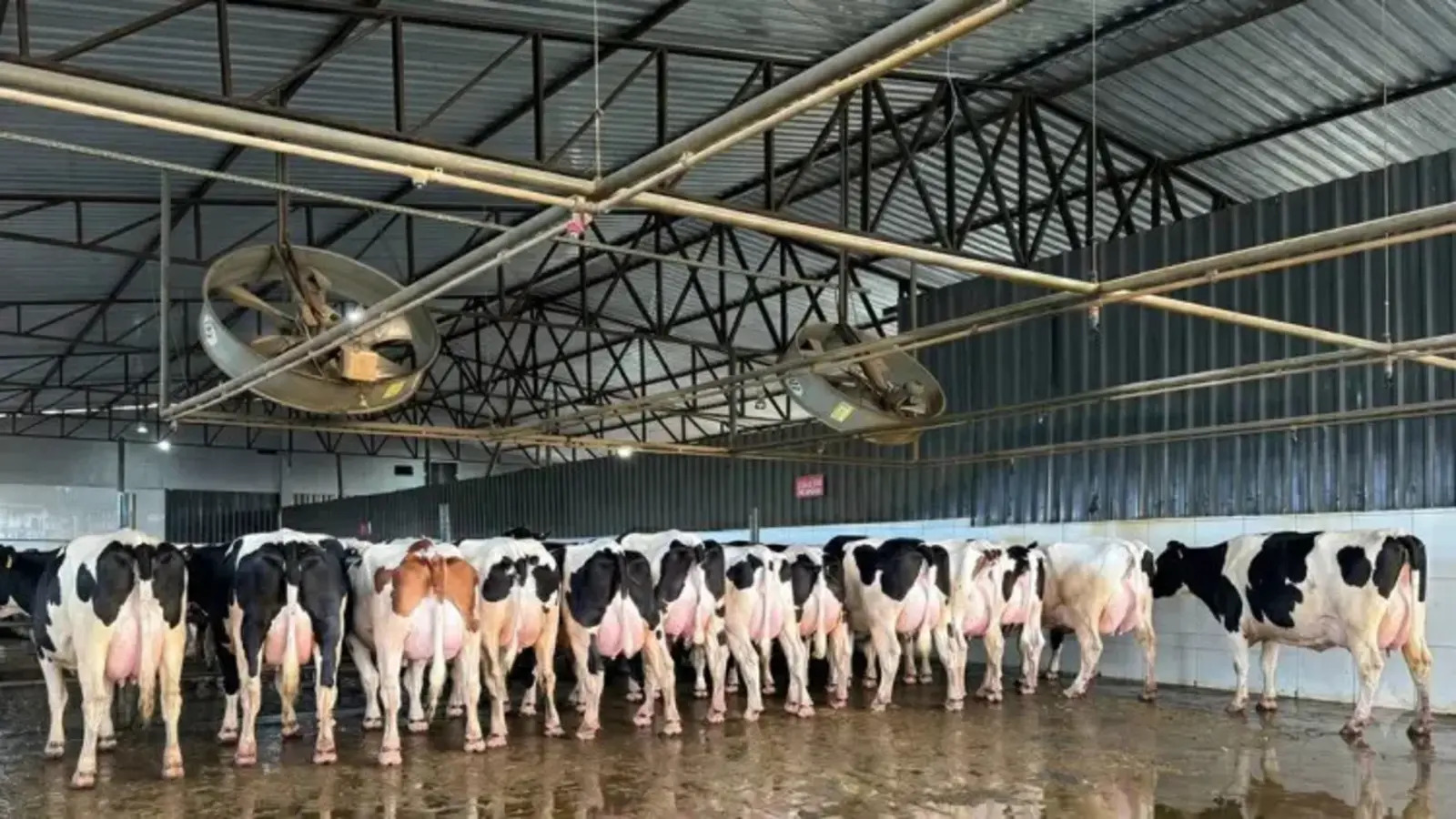

Dairy project in Nossa Senhora da Glória combines genetics, constant ventilation, silage for up to two years, and a technified structure to tackle extreme heat and reach 10,000 liters of milk per day by 2026
Fazenda Avelan, located in Nossa Senhora da Glória, in the hinterland of Sergipe, is preparing to reach 10,000 liters of milk per day by 2026. The project combines genetics, thermal comfort, planned feeding, and a technified structure to maintain high productivity even under intense heat and prolonged drought periods.


Fazenda Avelan reduces heat impact on the herd
Intensive milk production in Brazil is usually associated with states like Minas Gerais, Paraná, and Goiás.
In Sergipe, Fazenda Avelan seeks to demonstrate that high productivity systems can also work in regions with high temperatures.
-
Australian Desert Farm Uses Solar Power and Seawater to Produce 15,000 Tons of Tomatoes Annually, Resembling a Sci-Fi Agricultural Innovation

-
Brazilian Child Becomes National Role Model by Turning Financial Education Lesson into Thriving Poultry Business with 25 Hens and 150 Eggs Weekly

-
California’s Almond Industry Consumes Over 4 Trillion Liters of Water Annually Amid Drought, Relies on Trucked-In Bees for Pollination
-
India’s Sugar Export Cuts and Ethanol Shift Amid El Niño Threat Could Impact Global Prices and Stocks



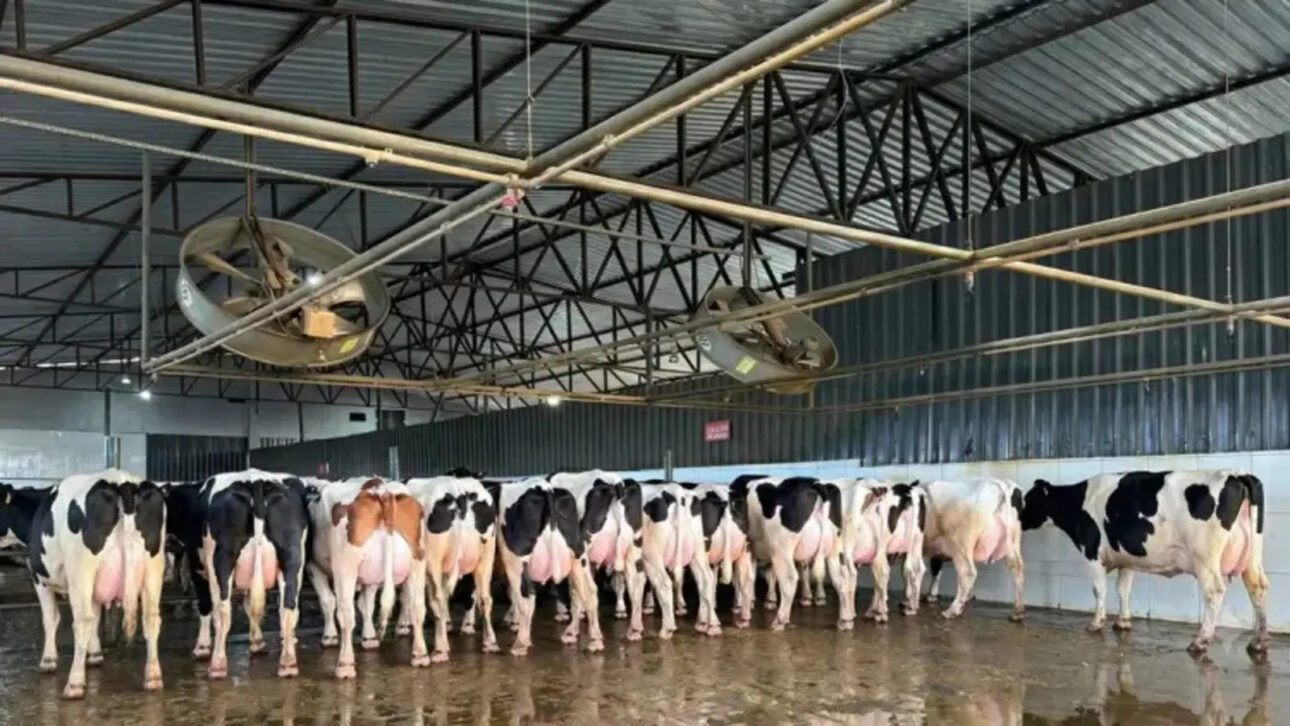
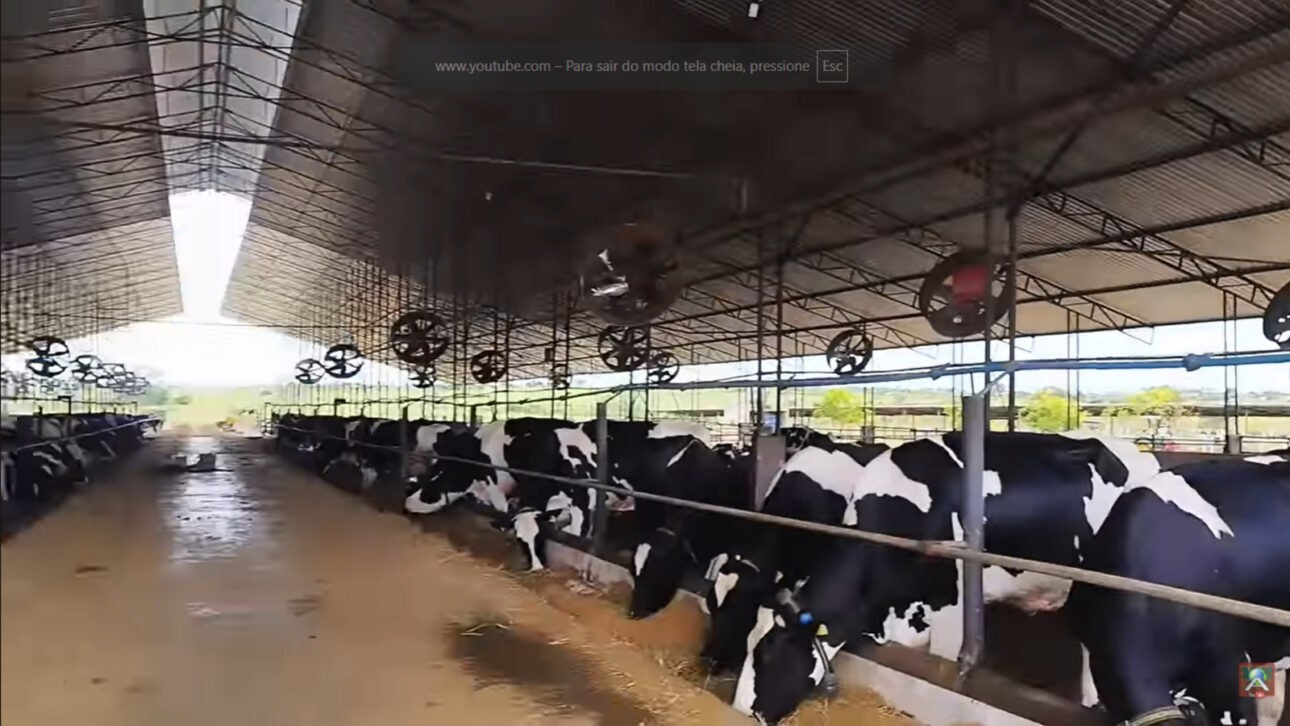
To tackle thermal stress, a problem that can compromise the performance of high-producing cows, the property has structured a more stable environment for the animals. The system includes constant ventilation and management aimed at reducing the effects of heat.
These measures aim to preserve the herd’s comfort and reduce the impact of high temperatures on the animals’ metabolism.
The strategy is part of a dairy project that bets on the combination of genetics, technology, and control of production conditions.
With this model, the farm has achieved efficiency levels per animal considered superior to the national average, according to information presented by MilkPoint.
Silage stock ensures feeding for up to two years
Besides the heat, the availability of food throughout the year represents one of the main challenges of dairy farming in the hinterland.
The activity requires constant nutritional supply, even when droughts harm crops and reduce the availability of ingredients.
To mitigate this risk, Fazenda Avelan internally produces the corn silage used to feed the herd. The property maintains sufficient reserves to sustain operations for up to two years.
The strategic stock reduces the farm’s exposure to severe droughts, climate fluctuations, and potential problems in future harvests.
It also allows nutritional planning to be conducted in advance, without being entirely dependent on immediate weather conditions.
The measure aims to offer greater predictability to production. In intensive dairy farming, the regularity of feeding directly influences the system’s stability and the ability to keep animals producing continuously.
Milk price and lack of workers hinder planning
Despite investments in structure and management, the farm faces common problems for producers in different Brazilian regions.
One of them is the volatility of prices paid for milk, which complicates financial organization and the definition of new investments.
All current production from the property is destined for the local industry. However, frequent changes in the received values reduce revenue predictability, even when the farm manages to maintain regularity in the quantity produced.
Hiring labor is also among the main difficulties reported by management. Even with formal contracts, training, and adequate working conditions, the property encounters obstacles in finding professionals interested in working in dairy farming.
Structure already supports a goal of 10,000 liters daily
The goal set for 2026 is to reach a daily production of 10,000 liters of milk. According to the property, this growth can occur without major structural expansions.
The farm claims it already has the physical facilities and sufficient number of animals to reach the new volume.
Thus, the advancement will depend mainly on the utilization of existing structures and the continuity of the adopted productive management.
The project includes measures aimed at heat control, herd food security, and reducing operational risks. The initiative expands the presence of intensive milk production in a region marked by high temperatures and periods of drought.
This article was prepared based on information from MilkPoint, with data, numbers, and statements preserved as per the consulted material.