Four kilometers below the surface, where the rock heats up to the point of cooking a human being without heavy cooling, the deepest gold mine on the planet is replacing flesh-and-blood miners with autonomous drills and remotely controlled machines, portraying how the world’s most extreme mining is becoming robotic work.
There is a place in South Africa where going down to work is almost a journey to the center of the Earth. The Mponeng mine, near Johannesburg, is the deepest human operation that exists: its tunnels go more than four kilometers below the ground, so deep that the natural temperature of the rock reaches 60 degrees and the air needs to be artificially cooled just so someone can breathe down there without fainting.
Reaching the work front takes over an hour in elevators that descend in stages, and each additional meter means more heat, more pressure, and more risk of the rock itself bursting under tension. It is in this brutal environment that a silent transformation is unfolding: ultra-deep mining is gradually being handed over to machines. And not out of technological whim, but because sending people there has become too expensive and dangerous.
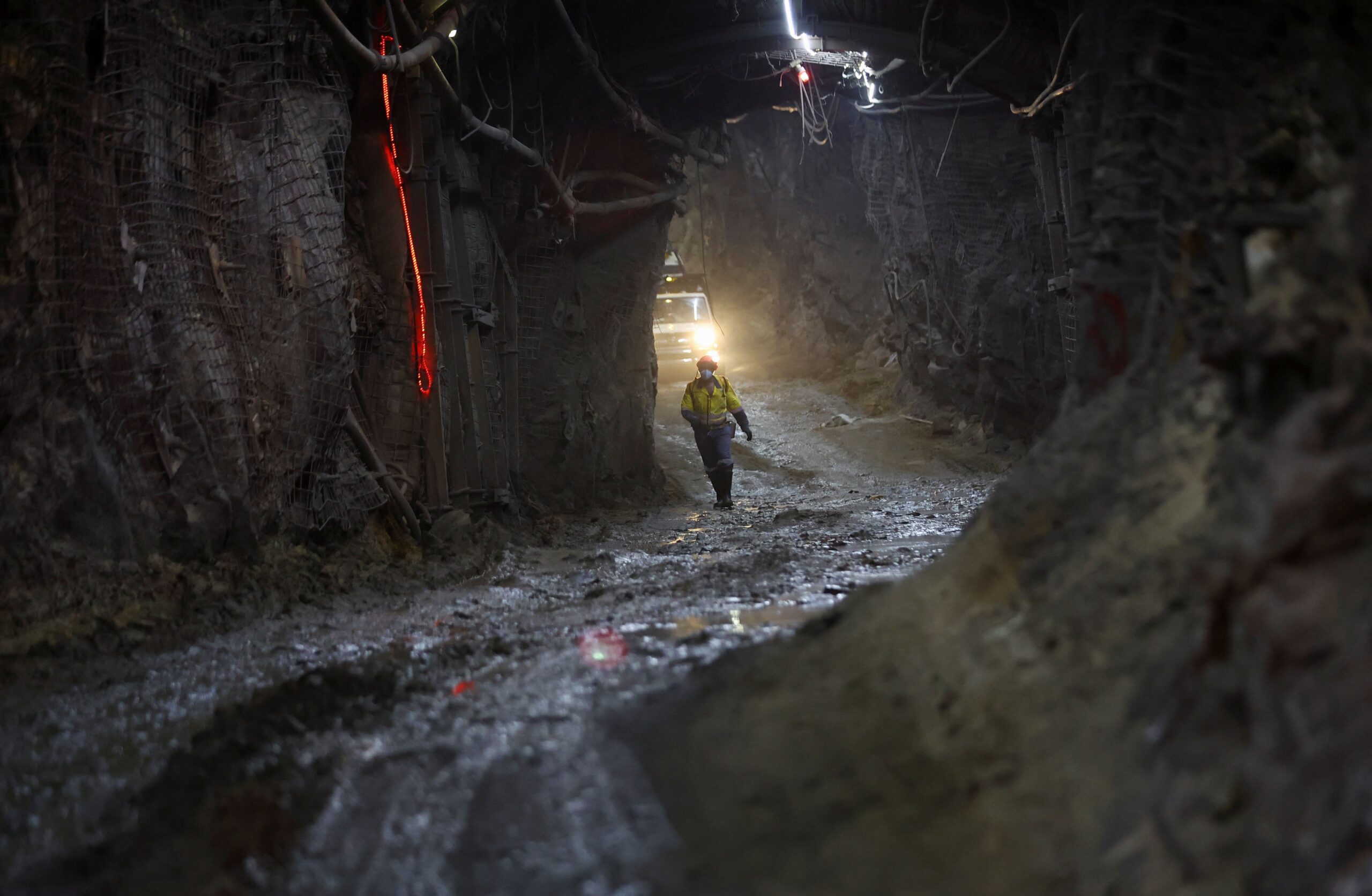
Where the human body can’t withstand
The heat is just the beginning of the list of enemies. Thousands of meters deep, the weight of all the rock above generates pressure that can cause the so-called rock burst, when a section of the wall simply explodes into the tunnel without warning. Add to that the difficult ventilation, the risk of gas, and the logistics of extracting ore from so far away, and it becomes clear why each hour of human work there costs a fortune in safety.
-
Brazilian Students Develop Membrane to Clean Contaminated Water for Just $0.01 Per Use, Removing Oil, Dye, Turbidity, and Microorganisms, Reusable 20 Times, Offering Affordable Treatment to Communities Without Potable Water

-
Brazilian Students Turn Manganese Mining Waste into Functional Battery, Present at Major Science Fair

-
NASA Issues Warning: 20-Year-Old Telescope That Detected Over 2,000 Explosions More Energetic Than the Sun Is Rapidly Losing Altitude; Unprecedented Mission Aims to Prevent Its Fall and Extend Operation by 5 Years.
-
NOAA Scientists Discover Mysterious Aligned Holes on the Mid-Atlantic Ridge Seafloor at 2,540 Meters Depth




The industry’s response was clear: remove the person from the most dangerous zone and place a machine in their place. In 2026, deep mining became a showcase of automation, with drills that operate alone, loaders and trucks guided by remote control, and even artificial intelligence navigation within the tunnels. The miner, when present, is increasingly in a control room on the surface, directing the equipment via screen instead of facing the heat personally.
The mine that became a robot laboratory
The technologies being tested at these depths seem like fiction. There are autonomous drills that advance through the tunnel without an operator on board, artificial intelligence systems that map the hidden gold vein in the rock to guide where to drill, and load and transport machines controlled remotely from kilometers away. Ventilation has gained a new generation of equipment to push cold air to points that were previously almost unreachable.
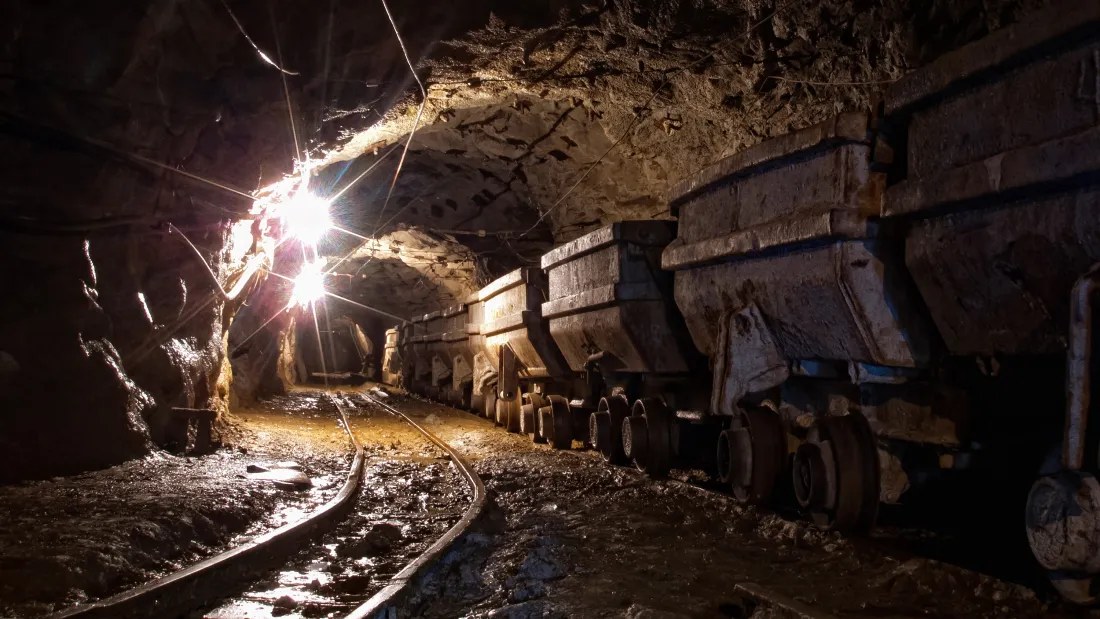
The gain is not just in safety. Machines don’t need a break for the heat, don’t risk their lives, and can work in continuous shifts, which increases production precisely where gold is hardest and most valuable to extract. We forget that mining deep is almost like going to space in reverse: an environment where humans were not made to be, and where robots perform better.
The battle against heat
Of all the deep miner’s enemies, heat is the most relentless. Without intervention, the temperature at Mponeng’s work front would exceed 60 degrees, enough to cause heat exhaustion in minutes. To combat this, the mine operates one of the largest underground cooling systems in the world, dumping tons of ice and cooled air into the tunnel just to bring the temperature down to a tolerable level. It’s energy, money, and logistics that raise the cost of each gram of gold.
Automation tackles precisely this point. A machine doesn’t suffer at 60 degrees, doesn’t need a break to hydrate, nor does it risk collapse, which allows extraction to advance to zones where even with heavy cooling it would be unsafe to place a person. Instead of spending fortunes cooling the environment for humans, the mine can let the robot work in the heat and concentrate cooling only where there are actually people. It’s a complete reengineering of how depth operations are conducted.
Why dig so deep
The obvious question remains: is it worth all this effort? For gold, it is. The shallow and easy deposits in South Africa were exploited decades ago, and the richest remaining ones are exactly down there, in a vein that continues to descend. As long as the metal’s price remains high, there’s plenty of incentive to pursue gold at depths that once seemed impossible, as long as the safety costs add up, and that’s where automation changes the game.
The Mponeng model also points to the future of other mines. The same remote operation and autonomous drilling techniques serve to extract copper, lithium, and other critical minerals that the world will increasingly need for batteries and clean energy, many of them in increasingly deep deposits. What is learned in the deepest gold mine on the planet becomes a manual for tomorrow’s mining.
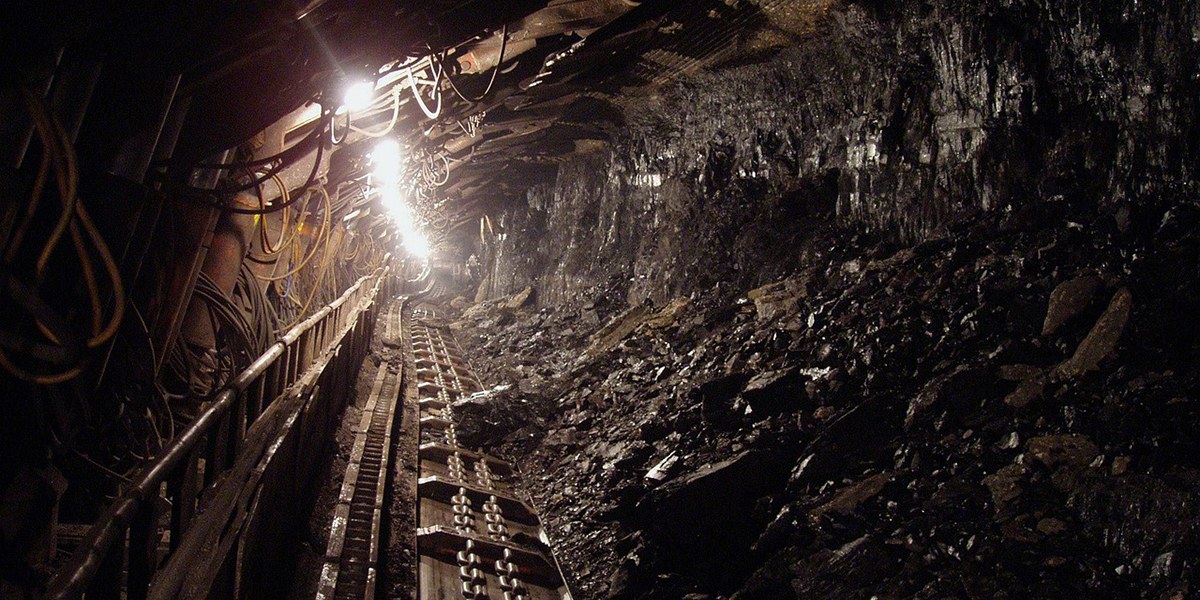
There is a human side to this shift that deserves attention. South African mining employs many people, and replacing manpower with machines affects jobs and entire communities that depend on the mine. The challenge is not just technical, it’s social: how to modernize without leaving behind those who have always descended into those tunnels. I confess that this part bothers me as much as the engineering fascinates me.
One way or another, the path seems set. As mines become deeper and hotter, direct human work at the extraction front is becoming rarer, replaced by a fleet of intelligent machines operating where no body could withstand. Mponeng is just the first major portrait of this robotic mining that is coming.
Would you trust an entire mine operated by robots four kilometers deep?